Long-Term Food Storage for Beginners: Staples, Packaging and Conditions
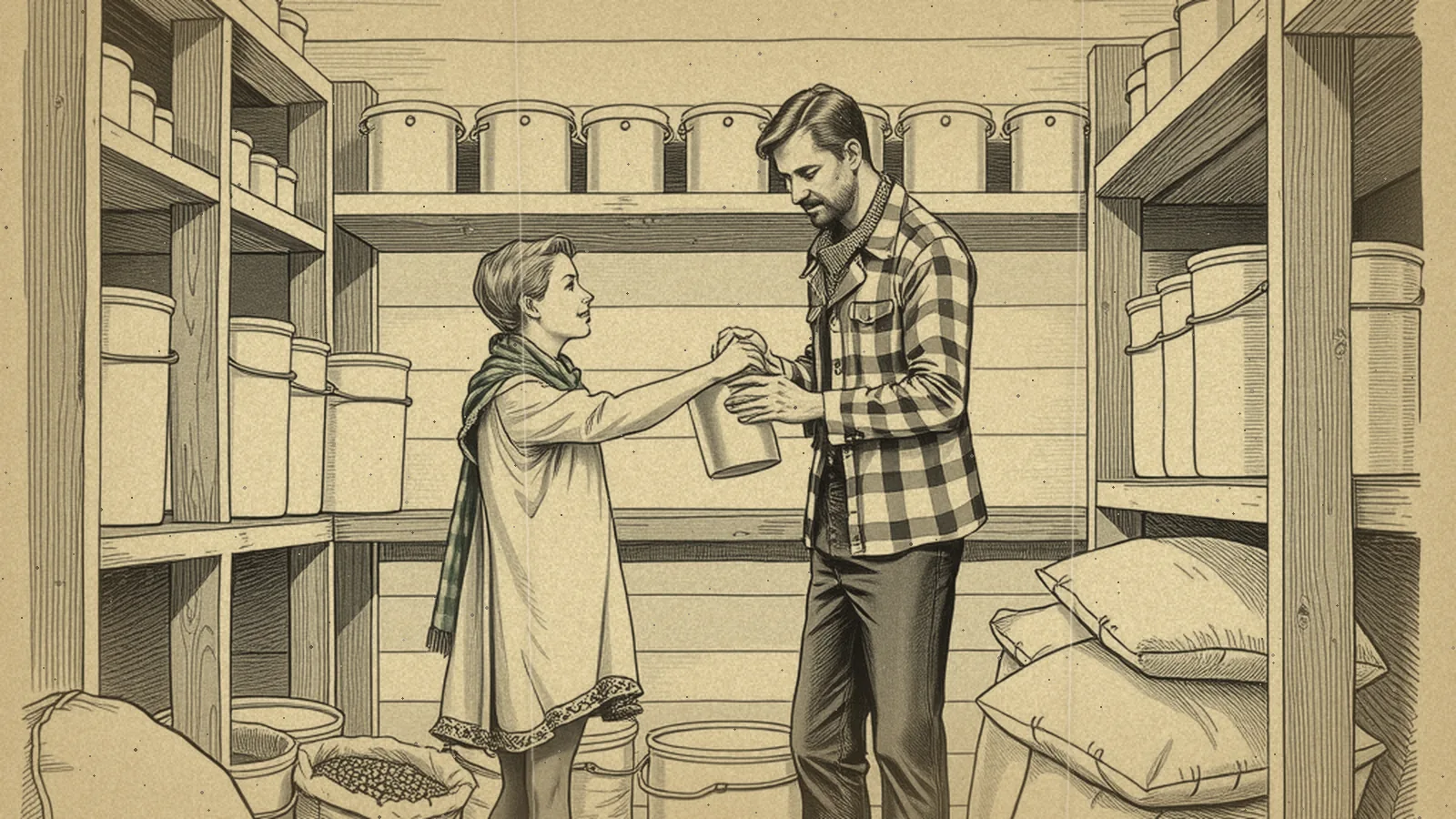
Long-term food storage means keeping dry, low-moisture staples like white rice, dry beans, rolled oats, wheat, sugar and salt in airtight, pest-proof packaging, in a cool, dry and dark place. Done well, these foods can keep far longer than everyday pantry items. The three things that matter most are choosing the right foods, packing them to block moisture, oxygen and pests, and storing them where temperatures stay steady.
It is the deepest layer in our Food Storage section, and it is optional. Most households should finish a short-term and two-week supply first.
Is long-term storage right for you?
Long-term storage makes the most sense when:
- You live far from stores or in an area where roads close for long stretches
- You want a buffer for a job loss or a tight budget season
- You have room in a dry basement, closet or spare room
- Your family already cooks with rice, beans and oats
It makes less sense if you have very little space, rarely cook from scratch or move often. In those cases, a well-rotated two-week food supply built from your normal groceries may be all you need.
The four enemies of stored food
Almost every packaging choice comes back to these:
| Enemy | What it does | How to block it |
|---|---|---|
| Moisture | Invites mold and bacteria, causes clumping | Store only dry foods; use airtight containers; keep off damp floors |
| Oxygen | Makes fats go stale and lets insects survive | Use oxygen absorbers in airtight packaging for suitable dry foods |
| Heat | Speeds up loss of flavor, color and nutrients | Keep containers in the coolest spot you have |
| Pests | Insects and rodents chew through bags and spoil food | Use thick plastic, metal or glass containers with tight lids |
Light also fades color and some nutrients over time, which is why opaque containers and dark rooms help.
Choosing staples
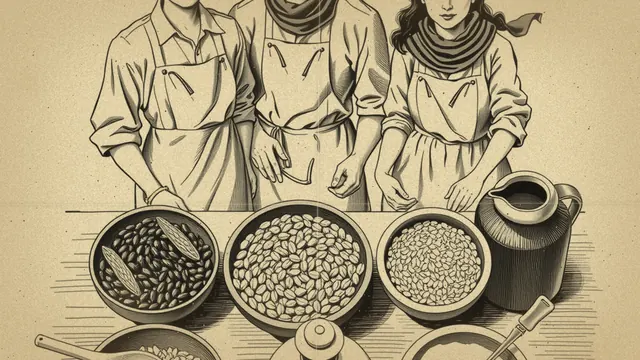
Long-term staples share a few traits: they are dry, low in fat and familiar enough to cook. Common choices include:
- White rice
- Dry beans, lentils and split peas
- Rolled or quick oats
- Whole wheat berries (if you have a grain mill) and pasta
- Sugar, honey and salt
- Nonfat dry milk
- Baking soda and baking powder (kept dry and separate)
Foods with more oil, such as brown rice, whole wheat flour and nuts, go stale much sooner and are better kept in your regular pantry and rotated quickly. Our guide to the best foods for long-term storage explains why each of these staples holds up and how to use them.
Packaging options
There are three main approaches, and many households mix them.
- Food-grade buckets with tight lids. Good for bulk rice, beans and oats. They stack and block pests well.
- Foil-lined bags with oxygen absorbers, placed inside buckets. This adds an oxygen barrier for suitable dry foods and keeps portions smaller.
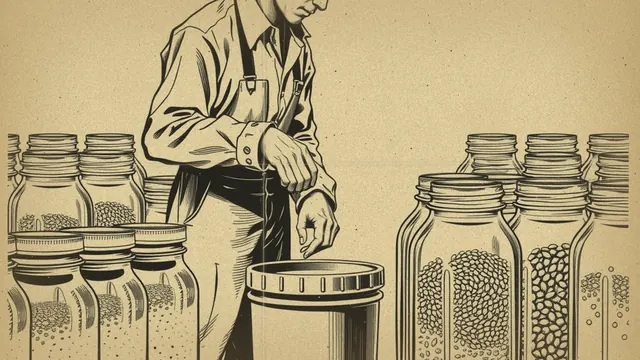
- Glass jars or metal cans. Good for smaller amounts and for foods you open often.
Each has trade-offs in cost, weight and convenience. Our guide to food storage containers compares them side by side and explains what "food-grade" means.
Where to put it
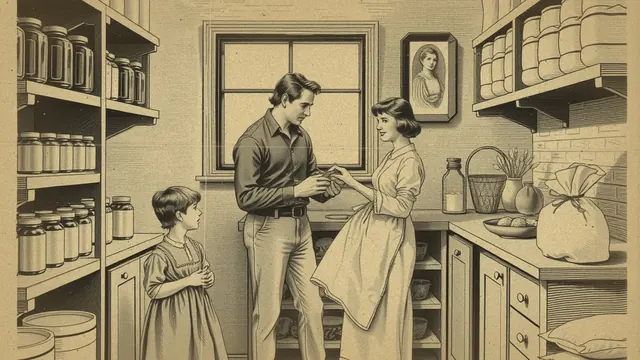
The ideal spot is cool, dry, dark and steady. In practice, that might be:
- An interior closet on the ground floor
- A dry basement, on shelves or wooden pallets rather than bare concrete
- Under beds in a bedroom that stays cool
- A pantry corner away from the stove and dishwasher
Avoid attics, garages and sheds, which often swing between very hot and very cold. If you are curious about older approaches, like using a cool cellar or buried bin for root vegetables, our guide to building a root cellar covers simple versions that work for produce, which needs different conditions than dry staples.
How long will it last?
You will see bold shelf-life numbers online, sometimes stated as decades. Treat them with caution. Real shelf life depends on the specific food, how dry it was when packed, the packaging, and how warm and humid your storage spot is. A bucket in a cool basement will usually outlast the same bucket in a hot garage by a wide margin.
The most reliable guidance comes from package dates and from your state's cooperative extension service, which publishes free, research-based food storage information. Check your stored food at least once a year: look for off smells, discoloration, insects, moisture or rancid odors, and replace anything questionable.
A worked example: one bucket at a time
A retired couple in a rural area wants a deeper supply without a big expense. Their plan:
- Month 1: Buy one large bag of white rice and one food-grade bucket with a tight lid. Pack it, label the contents and the date, and store it in the basement on a shelf.
- Month 2: Add a bucket of pinto beans.
- Month 3: Add a smaller container of rolled oats and a jar of honey.
- Month 4: Add salt, sugar and nonfat dry milk in sealed containers.
- Every season: Open the oldest container, move some into the kitchen and refill it with fresh stock.
After four months they have a solid base of staples they actually cook with, and the cost was spread out.
Don't skip water and cooking
Rice, beans and oats need water and heat. Plan your water storage alongside your staples, and know how you will cook if the power is out. Dry beans especially take a lot of water and time, so canned beans are a useful partner on the shelf.
Learning more without overspending
You do not need a paid course to start long-term storage. Extension offices, local libraries and free government sites cover most of what you need. Our guide to choosing a preparedness program explains when a paid course or guide might be worth it and how to compare them with free options.
Your checklist for today
- Look for the coolest, driest spot in your home
- Check your pantry for staples you already cook with
- Look up your state's extension service food storage page
- Choose one staple to pack first
- Put a yearly "check the buckets" reminder on your calendar
Long-term storage works best as a slow, steady project. One well-packed container at a time is plenty.
Want a guided preparedness plan?
Some people like the structure of a paid guide. This button opens a third-party survival or preparedness program from one of our advertising partners. Its claims are its own, not ours, so weigh them against our red flags checklist.
See the partner program →We may be paid when you click. The program shown can change. Read its terms before you buy anything. How this works
Frequently asked questions
What is considered long-term food storage?
It usually means dry staples like white rice, dry beans, oats and wheat that are packed in airtight, pest-proof containers and kept cool, dry and dark so they last far longer than a normal pantry. How long they keep depends on the food, the packaging and the conditions.
Where is the best place to keep long-term food storage?
Choose the coolest, driest, darkest spot you have, such as an interior closet or a dry basement. Keep containers off concrete floors and away from furnaces, water heaters, sunny windows and chemicals.
Do I still need to rotate long-term food storage?
Yes. Even well-packed staples change in flavor and quality over time. Cooking with them regularly keeps the supply fresh and makes sure your family knows how to use it.