How to Use Mylar Bags and Oxygen Absorbers for Food Storage
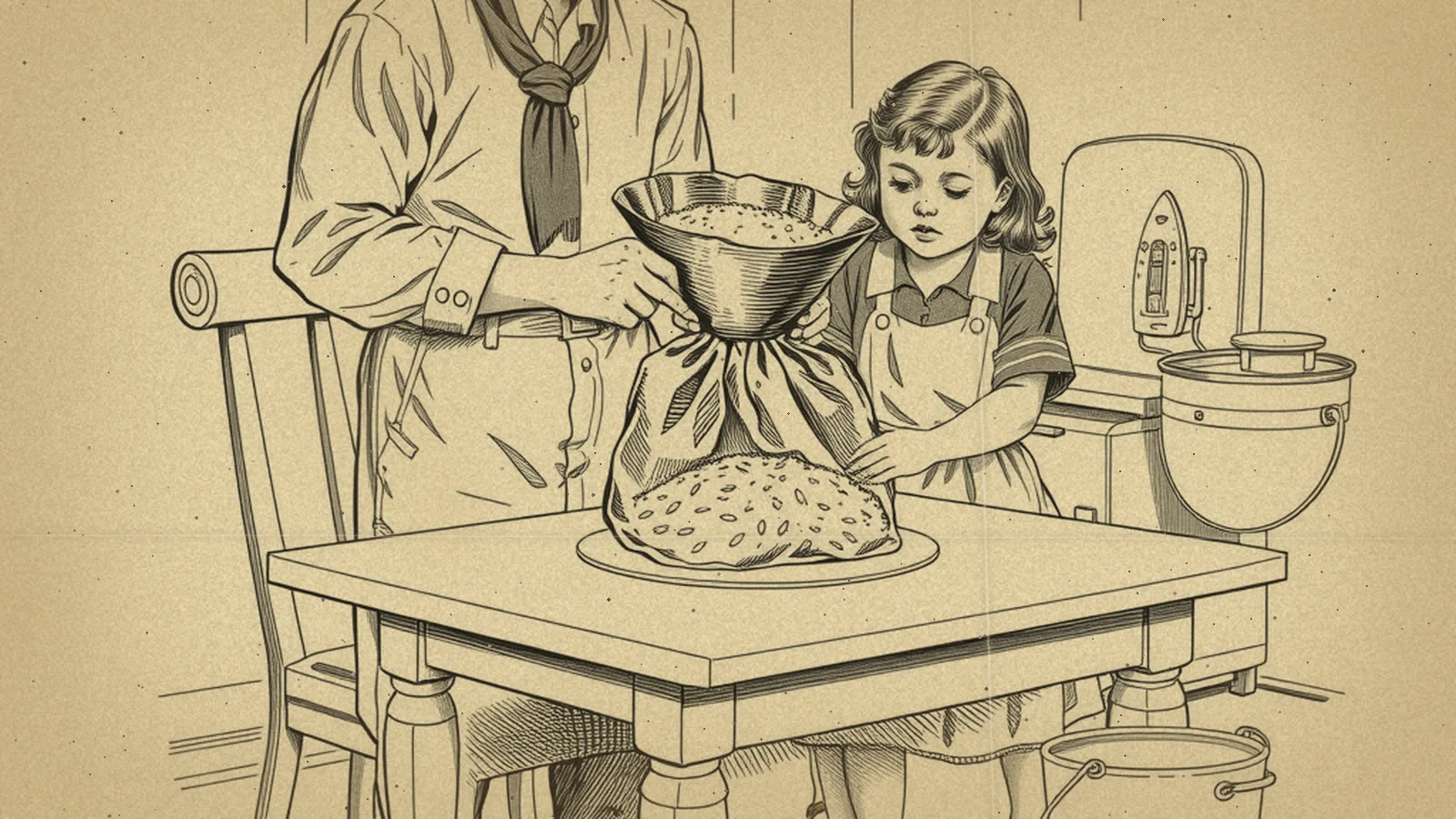
To use mylar bags and oxygen absorbers, fill a food-safe, foil-lined bag with a dry, low-fat staple like white rice or dry beans, add the number of oxygen absorbers the supplier recommends for that bag size, press out extra air and heat-seal the top. Label the bag and store it in a bucket in a cool, dry, dark place. Only dry foods belong in this kind of packaging.
The method is one of several packaging options in our Food Storage section, and it builds on the basics in our guide to long-term food storage, which covers choosing a storage spot and staples.
What these bags and absorbers do
Mylar bags are foil-lined polyester bags that block light and oxygen much better than ordinary plastic. Oxygen absorbers are small packets, usually containing iron powder, that react with the oxygen inside a sealed space. Together they create a low-oxygen package that:
- Slows the staling of foods
- Helps prevent insect eggs from developing
- Protects flavor and color from light
The bag does not stop rodents or crushing, so most people put sealed bags inside a bucket or bin.
Foods that suit this method
Choose foods that are dry, low in fat and low in moisture:
- White rice
- Dry beans, lentils and split peas
- Rolled oats
- Plain pasta
- Wheat berries and other whole grains
- Nonfat dry milk
- Dehydrated vegetables that are very dry and crisp
Foods that should not be packed this way
This is the most important safety point on the page. Sealing moist or oily foods in a low-oxygen bag can create conditions where dangerous bacteria, including the type that causes botulism, can grow. Extension services advise packing only dry, low-moisture foods this way. Do not seal:
- Foods with noticeable moisture, like soft dried fruit or homemade jerky that bends
- Brown rice, nuts, seeds, granola or whole-grain flours, which contain oils
- Cooked or leftover food of any kind
- Sugar and salt with oxygen absorbers, since they turn into hard blocks; store them dry in airtight containers instead
If you are not sure whether a food is dry enough, store it another way. Our guide to food storage containers covers buckets and jars that work for these foods.
What you will need
- Food-safe mylar bags in a size you can lift and use up in a reasonable time
- Oxygen absorbers rated for your bag size, in a sealed package
- A small glass jar with a tight lid to hold unused absorbers
- A heat source for sealing: a clothes iron, a hair-straightening iron or an impulse sealer
- A flat board or the edge of a table to seal on
- A funnel or wide scoop
- Permanent marker
- Food-grade buckets with lids for the sealed bags
Step by step
- Set up first. Clear a table, gather all your bags and food, and heat the iron. Absorbers start working as soon as they touch air, so you want to move quickly once the packet is open.
- Fill the bags. Stand each bag in a bucket for support and fill it with food, leaving a few inches at the top for sealing. Tap the bag so the food settles.
- Open the absorbers. Count out the number the supplier's chart recommends for each bag, and put the rest into a small glass jar right away and close it tightly.
- Add absorbers. Drop the right number into each bag, on top of the food.
- Press out the air. Push gently on the bag to remove as much air as you can.
- Seal. Lay the top of the bag flat on your board and press the hot iron along it. Go over it twice, slowly and evenly, to make a smooth, wide seal. Leave a short gap, press out more air, then seal the gap.
- Check the seal. Look for wrinkles or gaps. Tug gently. If any part is weak, seal again just below it.
- Label. Write the food, the date and the number of servings or cups on the bag.
- Watch over the next day or two. Many bags pull in and feel firm as the oxygen is used up. A bag that stays loose may still be fine, but recheck its seal.
- Store. Place bags in buckets, put on the lids and store them somewhere cool, dry and dark.
Common mistakes to avoid
- Leaving the absorber package open. They lose strength fast in open air.
- Packing too much in one bag. A huge bag is hard to use up once opened. Smaller bags let you open one at a time.
- Packing damp food. Moisture defeats the whole purpose and can be dangerous.
- Skipping labels. Unlabeled silver bags all look the same on a shelf.
- Storing bags without a bucket. Mice can chew through foil bags.
How long will packed food last?
Proper packaging can help dry staples keep much longer than they would in their original bags, but no packaging makes food last forever. Results depend on the food, how dry it was, how well the bag was sealed and how cool your storage area stays. Treat online numbers as rough marketing claims rather than promises. Our guide to food shelf life explains how to judge stored food and where to find research-based guidance, including your county extension service.
Using and rotating sealed bags
Once you open a bag, move the food into a jar or a bucket with a gamma lid and use it like regular pantry stock. Every year or so, open your oldest bag and cook with it. That keeps the supply fresh and tells you whether your packing method is working. Our guide to rotating food storage shows how to set up a simple first-in, first-out system and an inventory sheet.
A worked example: one Saturday afternoon
A family of five with two kids and a grandparent at home packs one large bag of white rice and one of pinto beans. They:
- Use eight medium bags so each one feeds the family a few times
- Have the kids hold the funnel and write the labels
- Seal the absorber leftovers in a small jar right away
- Put four bags in each of two buckets and store them under the basement stairs, on a wooden shelf
The whole job takes about an hour, and they mark their calendar to open a bag of each next year.
Try it with one bag first
Before you buy in bulk, pack a single bag of rice. Practice the seal, check it the next day, and see how it fits your storage space. Once it goes smoothly, scale up at a pace that fits your budget and your kitchen.
Want a guided preparedness plan?
Some people like the structure of a paid guide. This button opens a third-party survival or preparedness program from one of our advertising partners. Its claims are its own, not ours, so weigh them against our red flags checklist.
See the partner program →We may be paid when you click. The program shown can change. Read its terms before you buy anything. How this works
Frequently asked questions
How many oxygen absorbers do I need per mylar bag?
It depends on the bag size, the food and the absorber's rating. Follow the chart or directions from the absorber or bag supplier, and when in doubt, check your extension service's guidance.
Can I put any food in a mylar bag with oxygen absorbers?
No. Only dry, low-moisture, low-fat foods such as white rice, dry beans, rolled oats and pasta suit this method. Moist or oily foods should not be sealed this way.
Do I need a special sealer for mylar bags?
Many people use a household clothes iron or a hair-straightening iron on a firm surface, and some use an impulse sealer. Whatever you use, check every seam carefully after sealing.