How to Rotate Food Storage So Nothing Goes to Waste
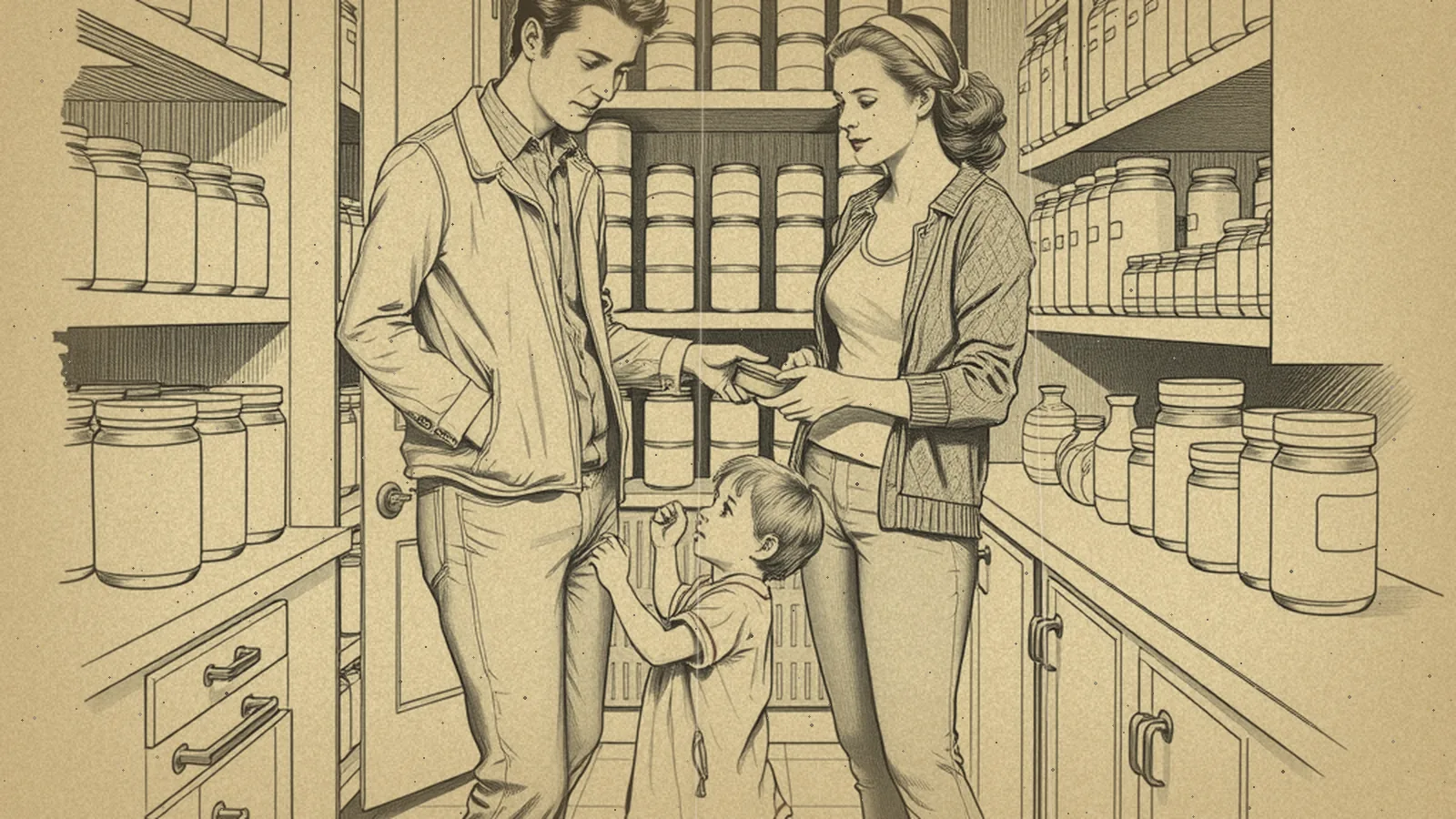
To rotate food storage, eat the oldest food first, put new purchases behind it, and keep a simple list so you know what you have. This method is called first in, first out. It works best when your emergency supply is made of foods you already eat every week, so rotation happens as part of normal cooking instead of as a chore.
Rotation is the habit that keeps everything else in our Food Storage section working. A shelf of food you never touch slowly turns into a shelf of food you can't trust. A shelf you cook from every week stays fresh, familiar and ready.
Why rotation matters more than size
It's tempting to think a bigger pile of food means more readiness. In practice, a modest supply you rotate beats a large one you forget. Food loses flavor, texture and some nutrition over time. Cans get pushed to the back. Bags get nibbled by pests. And when an outage or storm does arrive, the food you reach for should be food your family recognizes and will eat without fuss.
Rotation also saves money. Every item you eat before it fades is an item you don't throw away and buy again.
Set up your shelves for first in, first out
The goal is to make the oldest item the easiest one to grab.
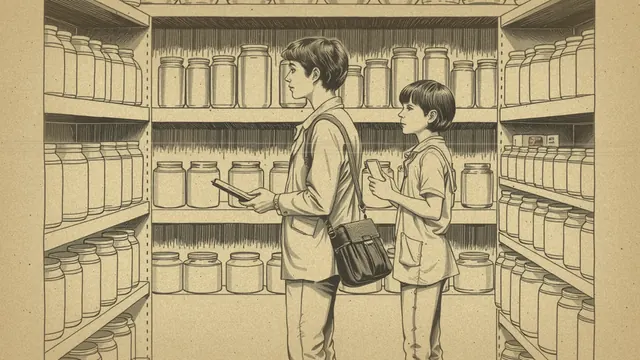
- Pull everything out of one cabinet or shelf. Group like with like: canned beans together, pasta together, oats together.
- Mark each item with the month and year you bought it, using a thick marker on the lid or the top of the can. This is quicker to read than tiny printed dates.
- Put the oldest in front and the newest in back. For cans, some people turn shelves sideways so cans roll forward, but a simple front-to-back row works fine.
- Leave a gap at the back of each row so new groceries have a place to go without shuffling everything.
- Keep it cool, dark and dry. A closet inside the home usually beats a hot garage or a damp basement corner.
If you live in a small apartment, the same rule applies to a single cabinet or a bin under the bed. Load new items from one end and pull from the other.
Make a one-page inventory sheet
You don't need an app. A sheet of paper taped inside the pantry door works well. Make a simple table with these columns:
| Item | How many we keep | On hand now | Oldest date | Notes |
|---|---|---|---|---|
| Canned black beans | 8 | 6 | Spring last year | Buy 2 on next sale |
| Rolled oats | 2 large canisters | 2 | This winter | Fine |
| Peanut butter | 3 jars | 1 | Last fall | Kids prefer creamy |
| Canned tuna | 10 | 10 | Summer | Use 2 this month |
When you take something out, make a tally mark. When the "on hand" number drops below "how many we keep," that item goes on the grocery list. This turns your emergency supply into a quiet part of your regular shopping.
Store what you eat, eat what you store
This old saying is the heart of rotation. If nobody in your home likes canned peas, a case of canned peas will never rotate. It will just expire.
Start with a week of real meals your household already enjoys. Then ask which of those meals could be made from shelf-stable ingredients. Spaghetti with jarred sauce, rice and beans, oatmeal with peanut butter, tuna salad on crackers, and chili from canned beans and tomatoes all rotate easily because they're normal food.
Our guide to food shelf life explains the difference between "best by" and "use by" dates, which helps you decide what to eat first and what still has plenty of time.
A worked example: a family of four
Imagine a family with two adults, a teenager and a seven-year-old. They want enough shelf-stable food for two weeks at home.
- Step 1: They list ten dinners they already make, then pick six that work from the pantry.
- Step 2: They buy the ingredients for two of those dinners extra each grocery trip, over several weeks, instead of all at once.
- Step 3: Every Sunday, while planning meals, one adult checks the inventory sheet and picks one "oldest item" to use that week.
- Step 4: On the first weekend of spring and fall, the teenager helps pull everything out, check dates and wipe the shelves.
Within a few months, the family has a steady supply that keeps refreshing itself, and nobody had to change what they eat.
Rotating foods you preserve yourself
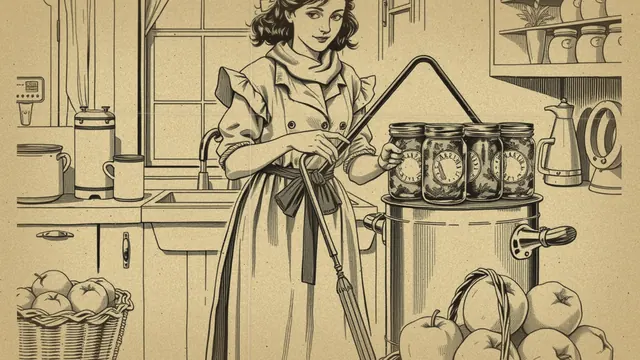
Home-preserved food needs rotation too, often more carefully than store-bought food. Our home canning basics guide covers how to label and store jars you put up yourself, and why tested recipes matter before anything goes on the shelf. Mark every jar with the contents and the date it was processed, and plan to use a season's jars before the next harvest comes in.
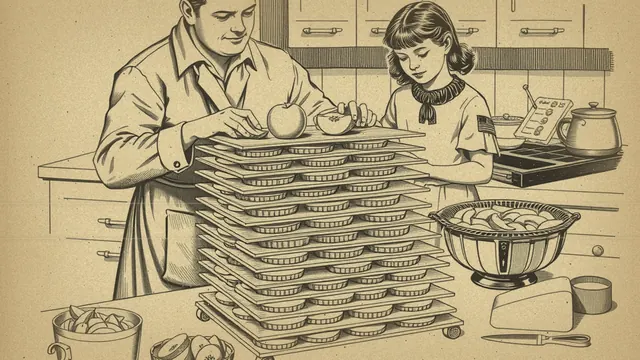
Dried foods also need watching. A batch of dried apples or vegetables can pick up moisture if the container isn't tight. Our guide to dehydrating food explains how to check dried food for moisture and how to pack it so it lasts. Keep dried foods in clear containers or check them often so you notice any change in smell or texture.
Your monthly and twice-yearly checklist
Once a month (10 minutes):
- Look for dented, bulging, leaking or rusted cans and set them aside to discard
- Check for signs of pests: droppings, holes in bags, webbing
- Move one or two of the oldest items into this week's meals
- Update the tally marks on your inventory sheet
Twice a year (about an hour):
- Pull everything out and wipe the shelves
- Re-sort by date, oldest in front
- Retire foods your household no longer eats
- Check that you still have a manual can opener and cooking fuel
- Rotate your stored water at the same time
That last point is worth a habit of its own. Our guide to rotating stored water uses a similar schedule, so you can do both in one afternoon.
When food is past its prime
A "best by" date usually points to quality rather than safety, but that doesn't make every old item fine to eat. Throw out any can that is bulging, leaking, badly dented along the seam, or spurts when opened. Discard food with mold, an off smell or signs of pests. When in doubt, throw it out.
Food that is still good but that you won't use in time can go to a neighbor or, if they accept it, a local food pantry. Rotation is about getting food eaten by someone, not just by you.
Start today
Pick one shelf. Pull everything out, mark the dates, put the oldest in front and start an inventory sheet with just that shelf on it. Next week, do another. A rotating supply isn't built in a weekend; it grows quietly from small habits. If you're comparing paid plans or kits that promise to do this for you, our guide to choosing a program explains what to look for before you spend anything.
Want a guided preparedness plan?
Some people like the structure of a paid guide. This button opens a third-party survival or preparedness program from one of our advertising partners. Its claims are its own, not ours, so weigh them against our red flags checklist.
See the partner program →We may be paid when you click. The program shown can change. Read its terms before you buy anything. How this works
Frequently asked questions
What does first in, first out mean for food storage?
It means you always eat the oldest item first and put newly bought items behind it. That way food gets used while it is at its best instead of sitting forgotten at the back of a shelf.
How often should I check my food storage?
A quick look once a month and a full inventory twice a year works for most households. Many people tie the bigger check to the same weekends they test smoke alarms or change the clocks.
What should I do with food that is close to its date but we won't eat it?
Move it into this week's meal plan, share it with a neighbor, or ask a local food bank or pantry whether they accept it. Then stop buying that item and replace it with something your household actually likes.