The Best Foods for Long-Term Storage, and Why They Keep
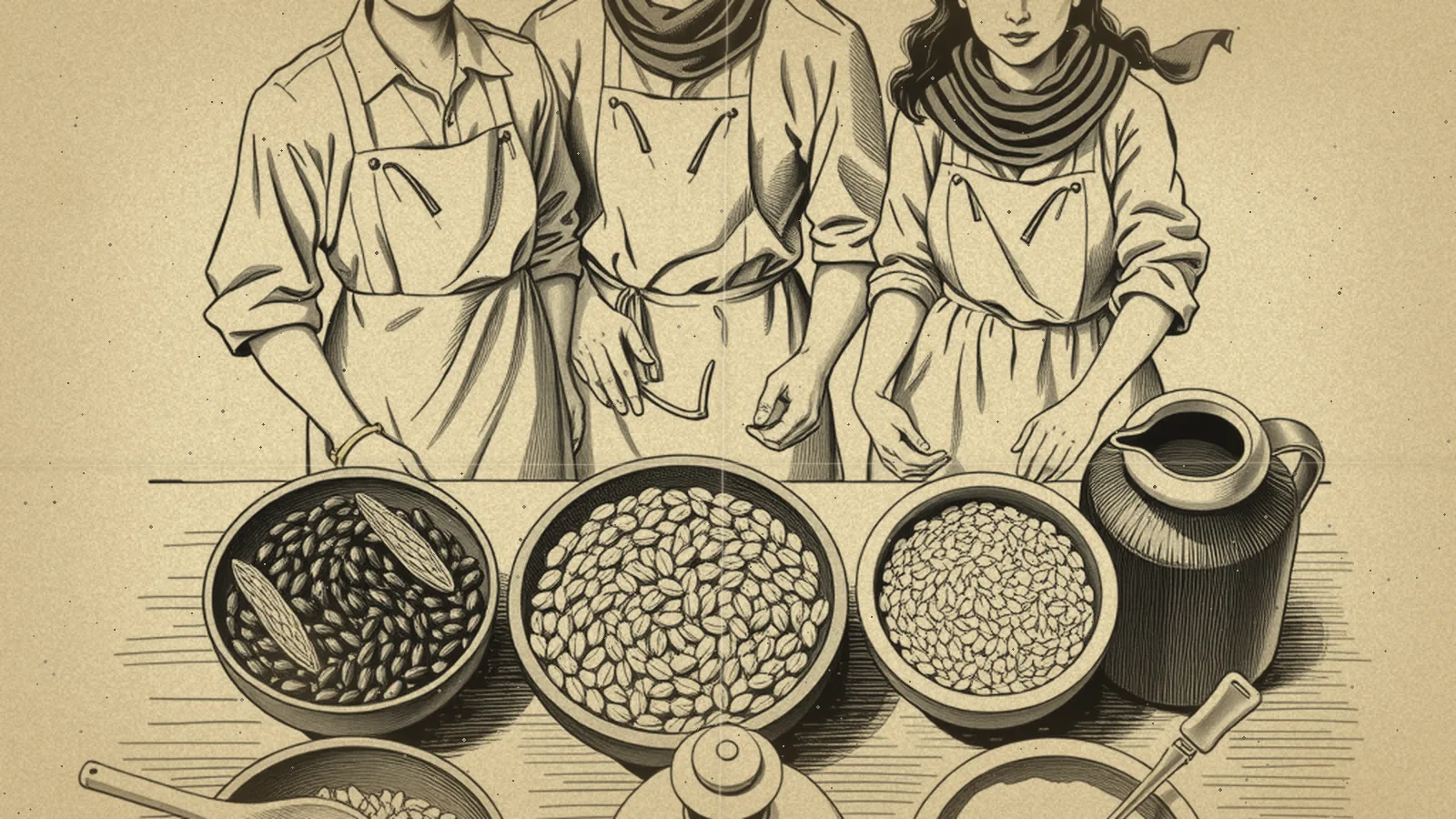
The best foods for long-term storage are dry, low in fat and familiar: white rice, dry beans and lentils, rolled oats, pasta, wheat, honey, sugar, salt and nonfat dry milk, plus commercially canned foods you rotate. They keep well because they contain little water for mold and bacteria and little oil to go stale. The right packaging and a cool, dry spot do the rest.
You will find all of these staples discussed throughout our Food Storage section. This page focuses on why each one works and how to turn it into meals your family will eat.
What makes a food good for storage
Before the list, it helps to know the pattern. Foods that keep well usually share these traits:
- Low moisture. Dry foods give spoilage organisms little to work with.
- Low fat. Fats and oils react with oxygen and turn rancid, which causes off flavors.
- Whole or intact. Whole grains and beans keep longer than flours and meals made from them.
- Sturdy packaging. Even a great storage food needs protection from moisture, pests and air.
- You know how to cook it. A food you will not eat is not really part of your supply.
The core list
| Food | Why it keeps | Good meals | Watch out for |
|---|---|---|---|
| White rice | Very dry; bran and oily germ removed | Rice and beans, fried rice, rice pudding | Needs water and cooking time |
| Dry beans and lentils | Dry, low fat, high protein | Chili, soups, refried beans | Older beans can take longer to soften |
| Rolled oats | Dry, quick to cook | Oatmeal, baked oat bars, pancakes | Slightly more oil than rice; rotate more often |
| Pasta | Dry and compact | Pasta with canned sauce or beans | Egg noodles keep less well than plain pasta |
| Wheat berries | Whole, intact kernels | Bread and flour, if you have a grain mill | Needs a mill and baking skills |
| Honey | High sugar content resists spoilage | Sweetener, baking, tea | May crystallize; warm gently to soften |
| Sugar | Very dry, no fat | Baking, preserving | Clumps if it gets damp |
| Salt | Mineral, does not spoil | Seasoning, preserving | Keep dry so it does not cake |
| Nonfat dry milk | Dry with fat removed | Drinks, baking, oatmeal | Whole dry milk goes stale faster |
| Canned goods | Commercially processed and sealed | Ready-to-eat meals, sides | Check dates and can condition |
A closer look at the big four
Rice
White rice is a favorite for good reason. It is cheap, filling and familiar in many cuisines. It pairs with almost anything, from canned chicken to beans and salsa. Brown rice is more nutritious day to day, but its natural oils make it a pantry item to use within a shorter time.
Beans
Dry beans, lentils and split peas bring protein and fiber. Lentils and split peas cook faster than whole beans and do not need soaking, which saves water and fuel. Keep some canned beans too, so you have a no-cook option.
Oats
Rolled oats cook quickly, even with just hot water from a kettle. They work for breakfast, baking and thickening soups. Steel-cut oats take longer to cook, so many families keep both.
Honey, sugar and salt
These three are the long-lasting backbone of a pantry. Honey and sugar make stored meals taste better and help with baking. Salt is essential for cooking and for preserving foods like vegetables from a garden.
Canned goods: the ready-to-eat layer
Dry staples need water and heat. Canned foods fill the gap. Canned meats, fish, beans, vegetables, fruits, soups and stews are ready to eat and add variety. They do not keep as long as dry staples, so treat them as a rotating layer: buy what you eat, use the oldest first and replace as you go.
Throw out any can that is bulging, leaking, rusted through, or deeply dented, especially along the seams. If you want to learn how canned foods age and how to read the dates, our guide to food shelf life covers that in plain terms.
Foods to keep in the regular pantry instead
Some foods are healthy and useful but do not store as long because of their oil or moisture:
- Brown rice and whole wheat flour
- Nuts, seeds and nut butters
- Whole-grain crackers and granola
- Cooking oils
- Dried fruits with high moisture
These still belong in your supply. Just rotate them faster and keep them in smaller amounts.
Packaging matters as much as the food
A great storage food in a thin paper bag will not last. For bulk staples, food-grade buckets, glass jars and metal containers with tight lids block pests and humidity. Our guide to food storage containers compares those options. For dry, low-fat foods like rice, beans and oats, sealing them in foil-lined bags with oxygen absorbers adds another layer of protection; the step-by-step is in our guide to mylar bags and oxygen absorbers.
If you are just getting started, our overview of long-term food storage explains how to choose a storage spot and build up slowly.
Growing some of your own
Stored staples pair well with fresh food. A small garden, even a few containers on a balcony, can add greens, tomatoes, squash and herbs that make rice and beans much more enjoyable. If that interests you, our guide to starting a survival garden covers easy, productive crops for small spaces.
Sample shopping list for a household of three
Here is one way a single parent with two teens might start, spread across a few months:
- 1 large bag of white rice
- 2 bags of dry pinto beans and 1 bag of lentils
- 1 large canister of rolled oats
- 4 boxes of spaghetti or other plain pasta
- 1 jar of honey and 1 bag of sugar
- 1 container of salt
- 1 box of nonfat dry milk
- 12 cans of mixed vegetables, beans and fruit
- 6 cans of chicken or tuna
Every item on that list can become a meal the family already knows, which is the real test of a good storage food.
Try this today
Cook one meal this week using only storage staples, such as rice and beans with canned tomatoes and spices. Notice what you were missing, whether that is a spice, a cooking oil or more water, and add it to your list.
Want a guided preparedness plan?
Some people like the structure of a paid guide. This button opens a third-party survival or preparedness program from one of our advertising partners. Its claims are its own, not ours, so weigh them against our red flags checklist.
See the partner program →We may be paid when you click. The program shown can change. Read its terms before you buy anything. How this works
Frequently asked questions
What food lasts the longest in storage?
Dry, low-fat foods such as white rice, dry beans, rolled oats, sugar, salt and honey keep the longest when packed airtight and kept cool and dry. Salt and sugar keep almost indefinitely if they stay dry.
Why does white rice store longer than brown rice?
Brown rice keeps its bran layer, which contains natural oils. Those oils go stale over time, so brown rice is best kept in your regular pantry and used sooner.
Are canned goods good for long-term storage?
Commercially canned foods are a useful part of a supply because they are ready to eat and need no extra water. Check the date on each can, rotate them into meals and discard cans that bulge, leak or are badly dented.