Common Food Storage Mistakes and How to Fix Them
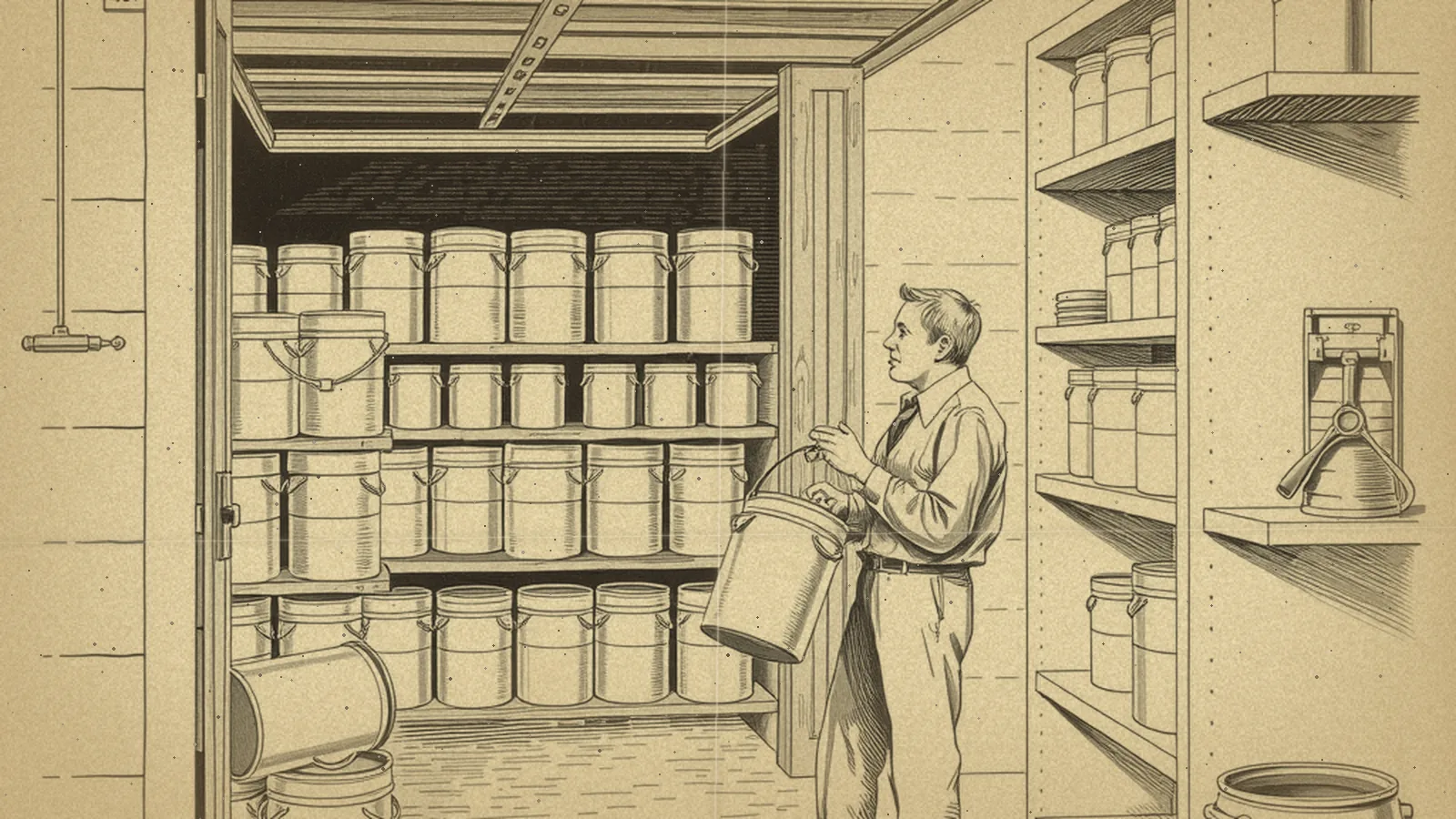
The most common food storage mistakes are storing food in a hot or damp spot, letting pests get in, buying food your household won't eat, and forgetting the water, can opener and fuel needed to prepare it. Each one is easy to fix with a little planning. Catching them now means your supply will actually work when you need it.
Everyone makes a few of these. If you spot yourself in this list, that's good news: it means you've started, and the fixes are simple. You'll find everything else you need to build a supply in our Food Storage section.
Mistake 1: Storing food where it gets hot
Heat is hard on stored food. It speeds up the loss of flavor, texture and nutrition, and it can make oils and nuts go rancid sooner. Attics, garages, sheds and spots next to the stove or water heater are common trouble areas.
Fix: Keep food inside your living space, in a closet, pantry, under a bed or on a shelf away from heat sources and sunny windows. If you're in a small apartment, a few bins in a bedroom closet work well.
Mistake 2: Ignoring moisture and light
Damp basements can rust cans and let mold grow on paper packaging. Sunlight fades food quality and warms containers.
Fix: Store food off the floor on shelves or pallets, away from exterior walls that sweat. Use opaque bins or keep shelves in a dark spot. If you have a basement, consider a dehumidifier and check for leaks regularly.
Mistake 3: Letting pests in
Mice, pantry moths and weevils can get into thin bags of rice, flour, oats and pasta. Once they're in, they spread.
Fix: Move dry goods from paper and thin plastic into sealed food-grade buckets, glass jars or heavy containers with tight lids. Check shelves monthly for droppings, holes and webbing. Our guide to food storage containers explains which options hold up best.
Mistake 4: Buying food you don't eat
It's easy to buy a big bucket of unfamiliar meals or a case of something on sale, then never touch it. It expires, gets thrown out and the money is gone. In a stressful situation, people (especially kids) may refuse food they don't recognize.
Fix: Store what you eat, and eat what you store. Start with your family's regular meals. Our guide to building an emergency food supply gives a starter list organized by food group, based on everyday groceries.
Mistake 5: Forgetting water
Many stored foods need water: rice, pasta, dried beans, oats, powdered milk and freeze-dried meals. If the tap stops working, you'll need water both to drink and to cook.
Fix: Store water along with food. Ready.gov recommends at least one gallon of water per person per day, and more for some people and in hot weather. See our guide to how much water to store for the details. Also keep some ready-to-eat foods that need no water at all.
Mistake 6: No can opener, no fuel, no way to cook
A cabinet full of cans doesn't help if your only can opener is electric. Dried beans don't help without a way to cook them.
Fix: Keep a manual can opener with your food. Plan at least a few no-cook meals. If you have a camp stove, store fuel safely and remember that fuel-burning stoves are for outdoor use only. Our guide to cooking with stored food has meal ideas for both cooking and no-cook situations.
Mistake 7: Never rotating
Food that sits untouched for years slowly loses quality and gets forgotten. Then it all expires at once.
Fix: Use first in, first out. Put new food behind old, mark purchase dates and check your shelves on a schedule. Pair the habit with changing your clocks or testing smoke alarms twice a year.
Mistake 8: Forgetting special diets
A supply that works for most of the family may leave someone out: a child with a peanut allergy, a parent with diabetes, a grandparent who needs soft foods, or a baby on formula.
Fix: Plan specifically for each person's needs, and talk with their doctor or dietitian. Our guide to special diets and food storage covers allergies, medical diets and infant feeding.
Mistake 9: Keeping damaged cans or questionable food
It's tempting to keep a bulging can or a jar with a loose lid "just in case." It's not worth the risk.
Fix: Throw out cans that bulge, leak, spurt when opened or are badly dented along the seams. Discard food that smells off or shows mold. When in doubt, throw it out. If food may have touched floodwater, follow the guidance in our guide to food safety in emergencies, since only undamaged commercial cans can be cleaned and kept.
Mistake 10: Buying out of fear
Scary headlines and videos can push people to spend a lot at once on expensive kits. Some products use countdown timers or claims about how many "servings" they include, which can be misleading if the servings are small.
Fix: Slow down. Compare total calories, not servings, and read the actual ingredients. Build your supply a little at a time from foods you know. Our guide to red flags shows how to spot fear-based marketing.
A quick self-check
Walk through your food storage today with this list:
- Food is stored inside the living space, not in a hot garage or attic
- Dry goods are in sealed, pest-proof containers
- Shelves are off the floor and away from damp walls
- Most items are foods your household eats regularly
- There is stored water to go with the food
- A manual can opener is with the food
- A few no-cook meals are on hand
- Items are marked with purchase dates, oldest in front
- Special diets are covered for everyone in the home
- No bulging, leaking or seam-dented cans
The same mistakes happen with water
Many of these issues apply to stored water too: heat, sunlight, the wrong containers and forgetting to rotate. Our guide to water storage mistakes walks through them, so you can fix food and water in one weekend.
Start today
Pick the one mistake on this list that fits your home best. Fix just that one this week. Maybe it's moving a few bins out of the garage or tucking a manual can opener into your pantry. Small fixes add up to a supply you can count on.
Want a guided preparedness plan?
Some people like the structure of a paid guide. This button opens a third-party survival or preparedness program from one of our advertising partners. Its claims are its own, not ours, so weigh them against our red flags checklist.
See the partner program →We may be paid when you click. The program shown can change. Read its terms before you buy anything. How this works
Frequently asked questions
What is the biggest food storage mistake?
Storing food your household doesn't normally eat is one of the most common. It tends to sit until it expires, and in an emergency people may not want to eat it. Store familiar foods and rotate them into everyday meals.
Is it okay to store food in the garage?
Garages often get very hot in summer and cold in winter, and those swings shorten shelf life. A closet, pantry or under-bed space inside the living area is usually a better choice.
Should I keep dented cans in my food storage?
Throw out cans that are bulging, leaking, rusted, or deeply dented, especially along the top or side seams. A small dent away from the seams is usually fine, but when in doubt, throw it out.