Special Diets and Emergency Food Storage
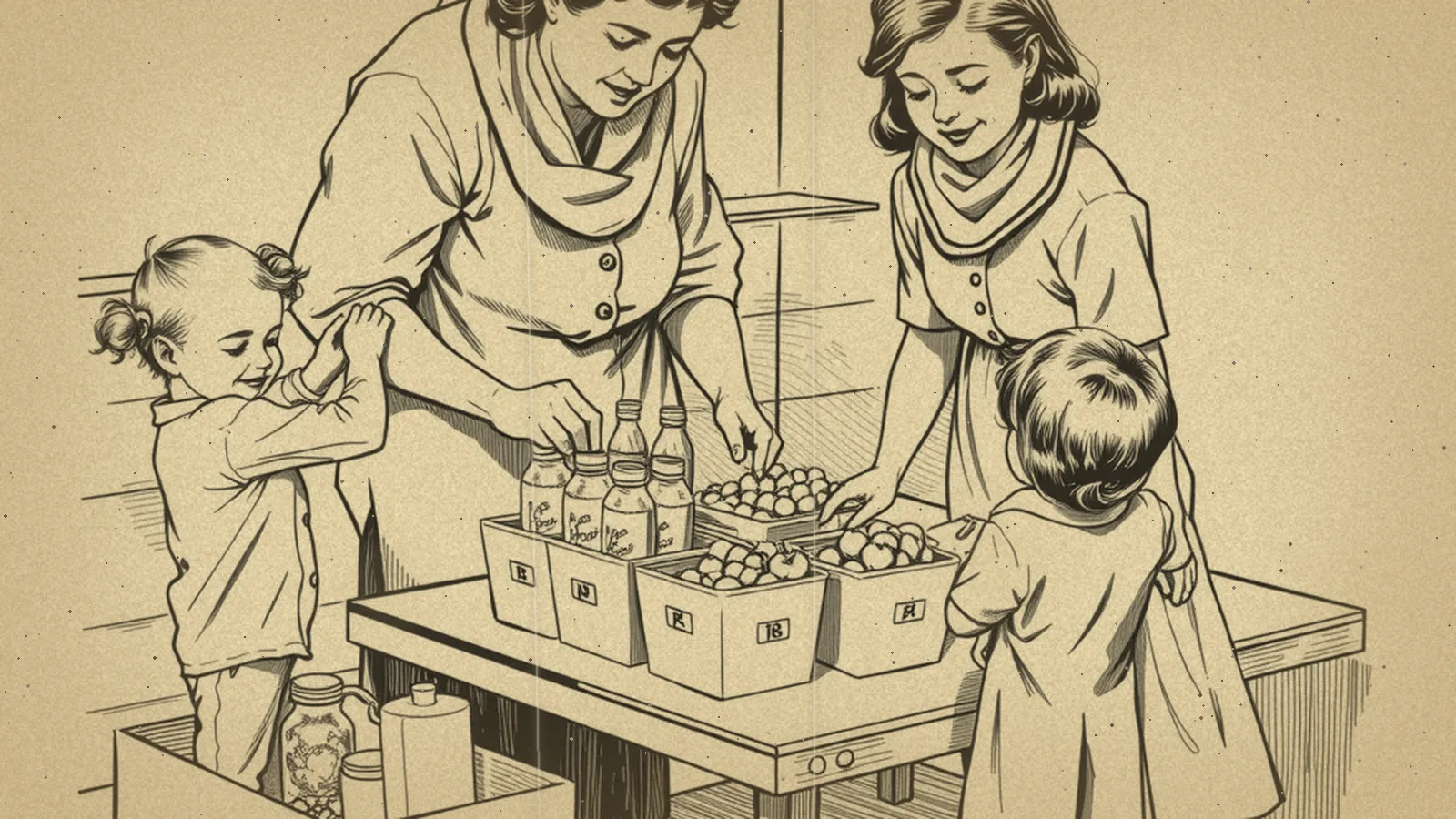
To plan emergency food for allergies, diabetes, babies or other special diets, start with a conversation with the person's doctor or a registered dietitian, then store a supply of familiar, shelf-stable foods that fit their plan and keep them separate from the rest of your supply. This page offers general planning ideas, not medical advice. Your care team knows your household's needs best.
Most emergency food lists assume everyone can eat the same things. Real households are more varied. In our Food Storage section, this page is for families where someone has a food allergy, a medical diet, a baby, or simply different needs.
Start with your care team
Before you buy anything, make a short list of questions for each person's doctor, dietitian or pediatrician:
- What foods should we keep on hand for an emergency or outage?
- What should we do if we can't get their usual foods for a week or two?
- Are there foods that are risky for them to eat if we have to substitute?
- What medicines or supplies should be part of their emergency kit?
- Is there an emergency meal plan for their condition?
Write down the answers and keep them with your emergency plan. Many specialty clinics already have emergency diet handouts, so it's worth asking.
Food allergies
When someone has a serious food allergy, an emergency is a bad time to depend on unfamiliar food or donations with unclear labels.
- Store only safe foods for that person, and read every label when buying and again before serving. Recipes and factories change.
- Keep a separate bin for their foods, clearly marked so helpers know.
- Think about cross-contact. Pack a separate can opener, cutting board or utensils if needed.
- Ask the doctor about emergency medicines and an action plan, and keep that plan with your supplies.
- Pack safe snacks in your grab-and-go bag too, since shelters and relief sites may not have allergen-free options.
If someone has a severe allergic reaction, call 911 right away.
Diabetes
People with diabetes need steady, predictable food, and they also need their medicines and supplies. Talk with their doctor or a diabetes educator about:
- Shelf-stable foods that fit their usual meal plan, such as canned beans, canned fish and chicken, nuts, nut butters, whole-grain crackers and low-sugar canned vegetables
- What to keep on hand to treat low blood sugar, based on their plan
- How to store insulin or other medicines if the power goes out
Our guide to medications in emergencies explains how to talk with doctors and pharmacists about building a backup supply and storing medicines that need cooling.
Celiac disease and gluten-free diets
Many common storage foods, like pasta, flour and crackers, contain gluten. Good gluten-free staples include rice, certified gluten-free oats, potatoes (fresh or dried flakes), corn tortillas, canned beans, and canned meats and fish. Look for certified gluten-free labels, especially on oats and processed foods. Store these foods apart from wheat products to avoid cross-contact.
Kidney disease, heart conditions and low-sodium diets
Canned foods can be high in salt and sometimes potassium or phosphorus, which may be a concern for people with kidney disease or heart failure. Ask the care team whether low-sodium or no-salt-added versions are enough, or whether there is a specific emergency diet. People on dialysis should ask their dialysis center for an emergency meal plan, since many centers provide one.
Babies and young children
Infant feeding needs extra planning.
If you breastfeed, keep doing so if you can. It needs no water or fuel. Store supplies like a manual pump if you use one, and talk with your pediatrician or a lactation consultant about any concerns.
If you use formula:
- Ask your pediatrician which formula to store
- Consider ready-to-feed formula, which doesn't need water to mix
- Store clean bottles and nipples, or single-use bottles
- Follow the label exactly, and never dilute formula to make it last longer
- Mark dates and rotate formula like any other food
For toddlers and young kids, store familiar foods: pouches, crackers, cereal, applesauce cups, shelf-stable milk if the pediatrician okays it. A favorite snack can be a real comfort during a stressful time.
Older adults and texture needs
Some older adults have trouble chewing or swallowing, or take medicines that interact with certain foods. Soft, easy foods include oatmeal, applesauce, canned fruit in juice, soups, mashed potato flakes, canned fish and nutrition drinks that their doctor recommends. Pack them in a separate bin and include utensils that are easy to grip.
Vegetarian, vegan and cultural diets
Many households avoid certain foods for personal, ethical or cultural reasons. Canned beans, lentils, peanut butter, nuts, seeds, rice, oats and shelf-stable plant milk work well for vegetarian and vegan diets. Whatever your household eats, the principle is the same: store familiar foods that fit everyone at the table.
A worked example: one household, several needs
Picture a family of four: a parent with type 1 diabetes, a partner who eats gluten-free, a five-year-old with a peanut allergy and a baby on formula.
| Person | Separate bin | Key items | Who to ask |
|---|---|---|---|
| Parent with diabetes | Yes | Meal-plan foods, low blood sugar supplies, testing supplies | Endocrinologist, diabetes educator |
| Partner, gluten-free | Shared bin, labeled | Rice, certified oats, corn tortillas, canned beans | Dietitian |
| Child with peanut allergy | Yes, clearly marked | Safe crackers, sunflower seed butter if approved, fruit cups | Allergist |
| Baby | Yes | Ready-to-feed formula, bottles, wipes | Pediatrician |
Each bin is checked when the family changes their clocks.
Fit special diets into your main plan
Special-diet foods belong in the rest of your plan, not off to the side. Our guide to building an emergency food supply gives a starter list you can adjust for each person. For a longer stretch at home, see our two-week food supply guide, which uses a meal-plan approach that works well for special diets. And our list of food storage mistakes explains why forgetting one person's needs is one of the most common gaps.
Some companies market expensive "medical" or "allergy-safe" emergency food kits with big promises. Read labels carefully and check with your care team before buying. Our guide to choosing a program explains how to judge paid products and plans.
Start today
Pick one person in your household with special food needs. Write down three shelf-stable foods they already eat safely, then buy one extra of each this week and put them in their own marked bin. At their next appointment, bring the questions from this page to their doctor or dietitian.
Want a guided preparedness plan?
Some people like the structure of a paid guide. This button opens a third-party survival or preparedness program from one of our advertising partners. Its claims are its own, not ours, so weigh them against our red flags checklist.
See the partner program →We may be paid when you click. The program shown can change. Read its terms before you buy anything. How this works
Frequently asked questions
How do I plan emergency food for someone with diabetes?
Ask their doctor or a registered dietitian to help you build an emergency meal plan, including what to keep on hand for low blood sugar. Store familiar, shelf-stable foods that fit that plan, and include their medications and testing supplies in your preparedness plan.
What kind of infant formula is best for emergencies?
Many families keep ready-to-feed formula because it doesn't need water to mix. Ask your pediatrician which formula to store, follow the label exactly, and never water down formula to make it last longer.
How do I keep emergency food safe for someone with food allergies?
Store only foods that are safe for that person, read every label when you buy and again before serving, and keep their safe foods in a separate, clearly marked bin. Talk with their doctor about an emergency action plan and any medicines they should have on hand.