Food Safety After a Flood or Disaster
After a flood, throw out any food that may have touched floodwater. The one exception is commercially canned food in undamaged cans, which you can keep once the cans are cleaned and sanitized. Home-canned food that touched floodwater should be discarded, and for anything you're unsure about, follow the federal rule of thumb: when in doubt, throw it out.
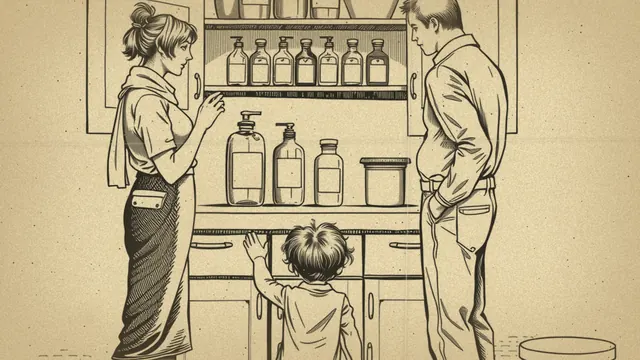
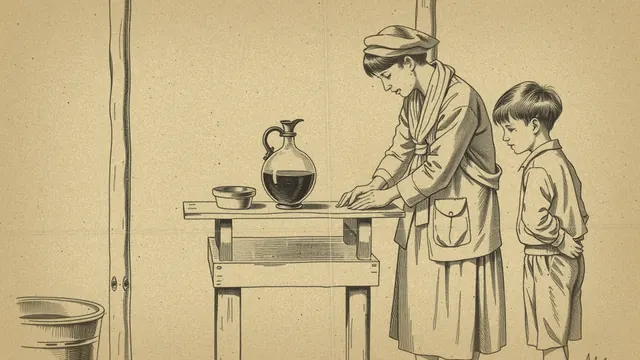
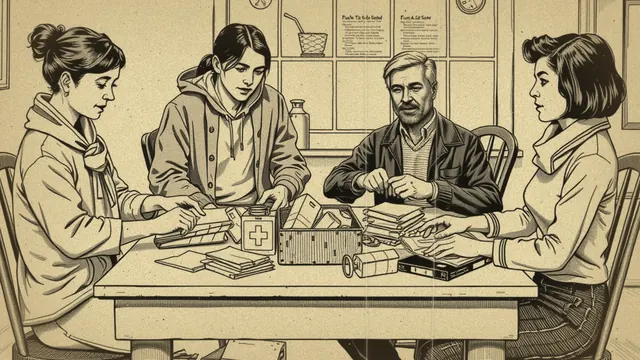
Floodwater is not just water. It can carry sewage, fuel, farm runoff and household chemicals, and it seeps into places that look sealed. Food safety is one of the most practical skills in our First Aid & Health section, because the illnesses that follow a disaster often come from the kitchen.
What floodwater ruins
Federal guidance is to throw out food that may have come in contact with floodwater, except undamaged commercial cans that you clean and sanitize. In practice, that means discarding:
- Fresh produce, meat, poultry, fish, eggs and dairy that floodwater reached
- Anything in plastic bags, plastic wrap or cardboard boxes, including cereal, crackers, flour, sugar, rice and pasta
- Jars and bottles with screw-on lids, snap lids, pull-tops or crimped caps, including condiments, juice and soda
- Home-canned food of any kind, even if the jar looks sealed
- Food in pouches, foil packets or other flexible packaging
- Opened containers of anything
Lids and caps aren't designed to keep out contaminated water under pressure, and the grooves around them trap germs that are hard to clean away. Home-canning jars have the same weak points.
Food that sat on high shelves, well above the waterline, may be fine, but look carefully. If you see water marks, mud, or damp packaging, treat it as exposed.
Also throw out wooden cutting boards, plastic utensils, baby bottle nipples and pacifiers that floodwater touched, because they can't be reliably cleaned.
Which cans you can keep
A commercially canned item can be saved only if the can is in good condition. Discard cans that are:
- Bulging or swollen
- Leaking or sticky on the outside
- Deeply dented, especially along the seams or rim
- Rusted, or with rust that doesn't wipe off
- Opened, or with a pop-top that has been lifted
If you're unsure about a can, it goes in the trash.
How to clean and sanitize undamaged cans
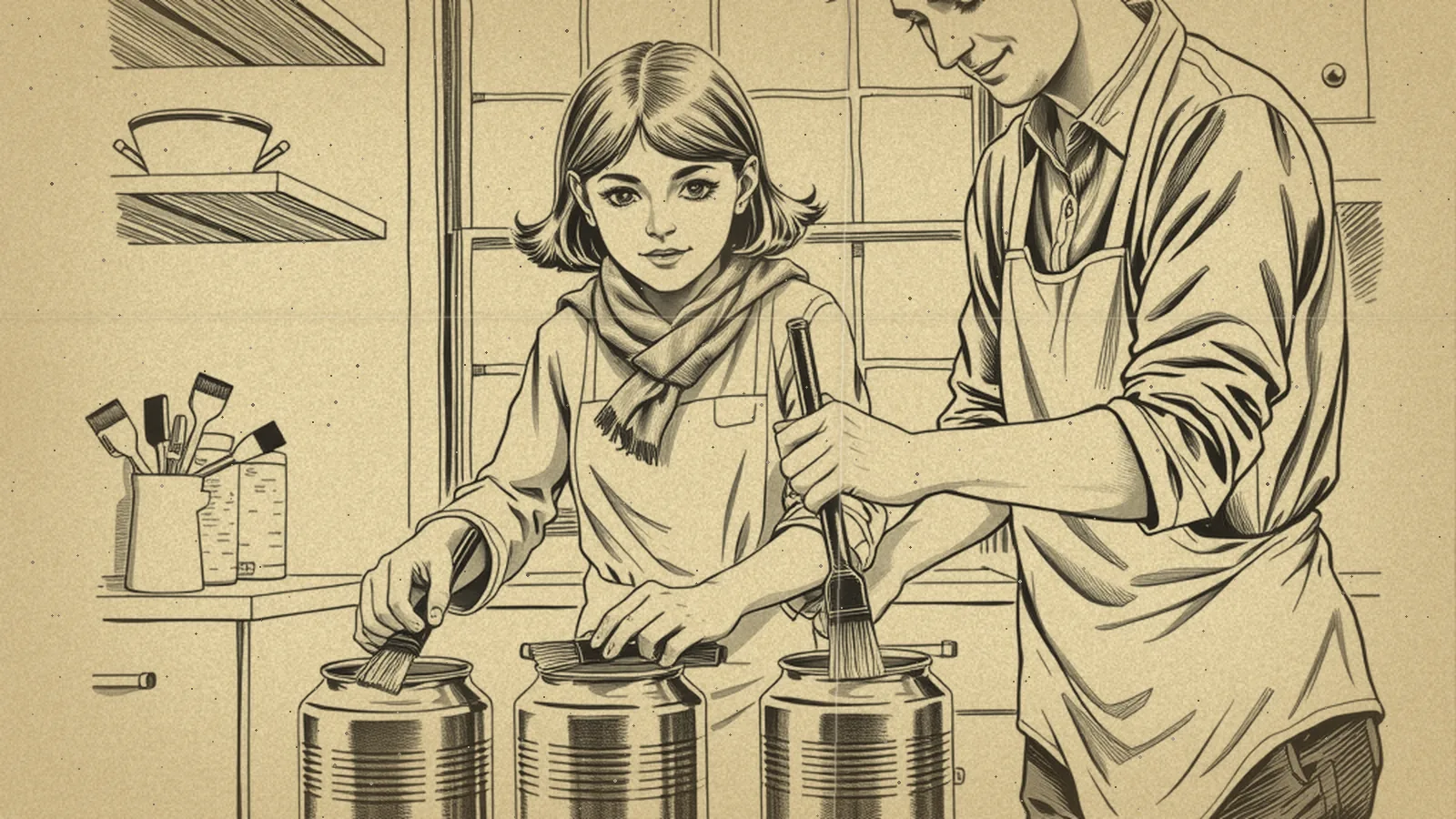
Set up a cleaning station outside the kitchen if you can, and wear gloves.
- Remove the labels. Paper labels hold contaminated water. Before you peel them off, note what each can holds.
- Wash. Scrub each can with soap and clean water, using a brush around the rim and seams. Rinse with clean water.
- Sanitize. Follow the method in current FoodSafety.gov flood guidance or the directions on a food-contact sanitizer's label. Don't guess at mixing amounts.
- Air-dry. Let cans dry fully on a clean surface before storing.
- Relabel. Use a permanent marker to write the contents and the expiration or best-by date directly on the can.
Use clean or treated water for every step. If your tap water isn't safe yet, our sanitation and hygiene guide explains how to keep hands and surfaces clean with limited water, which matters just as much as the cans themselves.
Your kitchen after floodwater
Before you cook again:
- Throw out any food that floodwater reached, following the lists above.
- Clean countertops, shelves, refrigerators and pantry spaces with soap and water, then sanitize them following the product label.
- Wash metal pans, ceramic dishes and utensils with hot soapy water, then sanitize them.
- Check that your water is safe. Follow local boil-water or do-not-use notices until officials lift them.
- If floodwater reached your refrigerator or freezer, contact the manufacturer or an appliance professional before using it again.
Never mix bleach with ammonia or other cleaners while you scrub. Fumes from mixed products can make people seriously ill.
Power outages are the other half
Floods often come with long outages, so you may be sorting food for two reasons at once. A closed fridge holds safe temperatures for only a few hours, and anything perishable that warmed above the danger line for too long has to go. Our guide to food safety during a power outage has the full USDA time and temperature rules for refrigerators and freezers.
Example: sorting a pantry after a basement flood
A family of five in a split-level home had water rise about knee-high in the basement, where they keep their extra pantry. Here's how they sorted it:
| Item | Where it was | Decision |
|---|---|---|
| Store-bought canned beans and soup | Bottom shelf, cans intact | Keep after washing, sanitizing and relabeling |
| One dented can of tomatoes | Bottom shelf, dent on seam | Throw out |
| Home-canned peaches and salsa | Middle shelf, underwater | Throw out, jars and all contents |
| Rice and oats in plastic buckets | Floor | Throw out |
| Peanut butter jars | Top shelf, dry, no water marks | Keep |
| Boxed pasta | Middle shelf, box damp | Throw out |
| Water jugs with screw caps | Floor | Throw out the water |
Throwing out a summer's worth of home canning was hard. They took photos of everything for insurance before discarding it, and talked through the loss as a family. Next season, they plan to store canned goods on high shelves.
When food makes someone sick
Stomach cramps, vomiting and diarrhea can follow eating spoiled or contaminated food. Keep the person drinking safe fluids and call a doctor if symptoms are severe or don't ease. Call 911 for trouble breathing, confusion, signs of serious dehydration, or if someone can't keep fluids down.
Related guides
- Losing food, photos and keepsakes to a flood can hit hard, and our mental health after disasters guide offers ways to cope with the stress and grief.
- Floodwater also carries chemicals and fuel, so read our poison and toxic exposure guide to know when to call Poison Control.
- Good food safety depends on clean hands and a working toilet setup, both covered in our sanitation and hygiene guide.
Follow instructions from local health and emergency officials about water safety and cleanup. If you're ever unsure, throw it out.
Want a guided preparedness plan?
Some people like the structure of a paid guide. This button opens a third-party survival or preparedness program from one of our advertising partners. Its claims are its own, not ours, so weigh them against our red flags checklist.
See the partner program →We may be paid when you click. The program shown can change. Read its terms before you buy anything. How this works
Frequently asked questions
Can you eat canned food that was in floodwater?
Commercially canned food can be kept only if the cans are undamaged, and only after you clean and sanitize them. Throw out cans that are bulging, leaking, deeply dented or rusted, and discard any home-canned food that touched floodwater.
Is food in a sealed plastic container safe after a flood?
No. Floodwater can carry sewage and chemicals, and it can seep under lids, caps and seals, so food in plastic, cardboard, jars with screw-on lids and similar packaging should be thrown out if floodwater may have touched it.
What does "when in doubt, throw it out" mean?
It's the federal food-safety rule of thumb: if you can't be sure a food stayed cold enough or stayed away from floodwater, discard it. You can't tell whether food is safe by smell, look or taste.