How to Build a Two-Week Emergency Food Supply With a Meal Plan
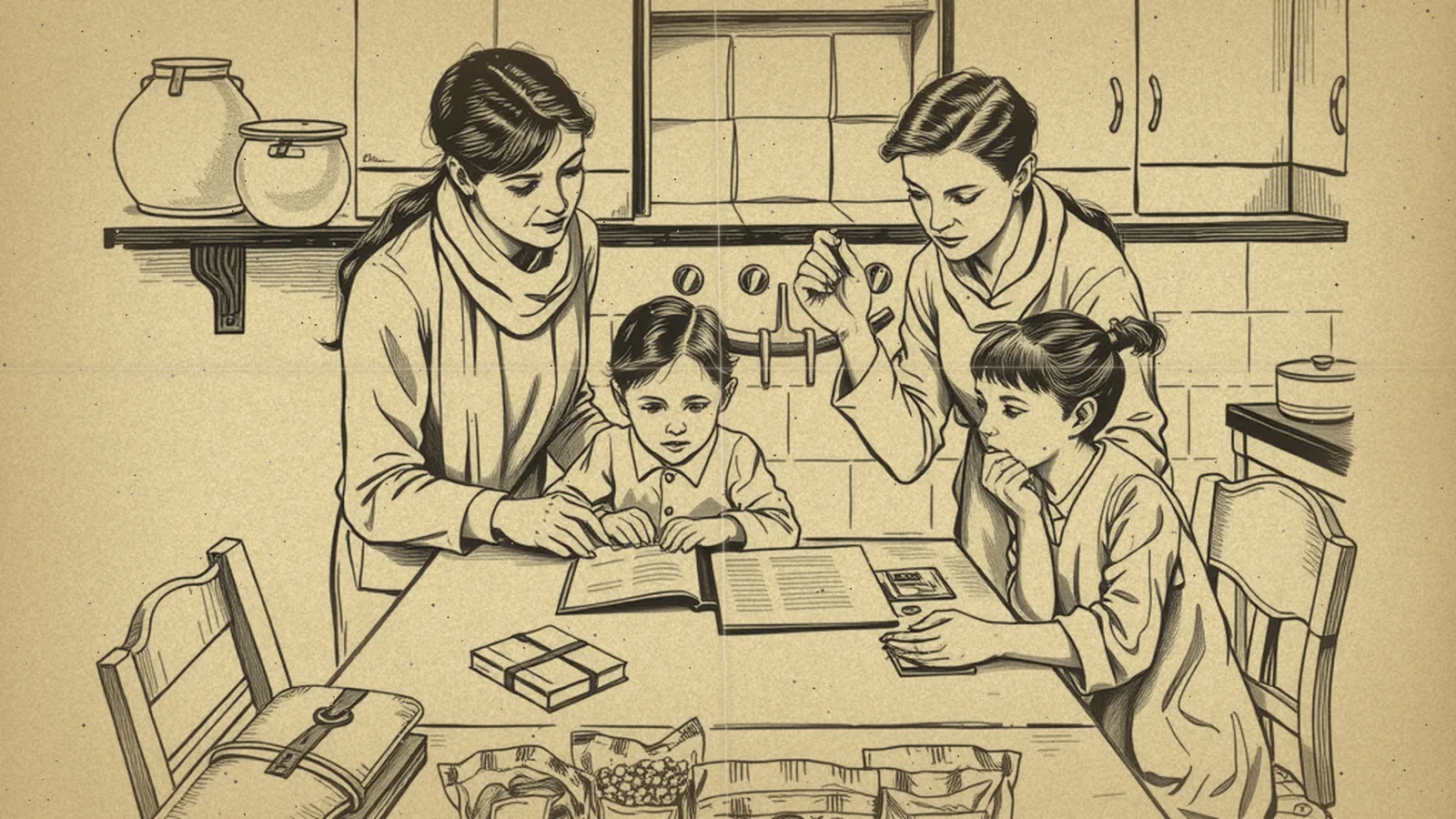
A two-week emergency food supply is easiest to build as a meal plan: pick a handful of breakfasts, lunches and dinners your household already likes, then stock enough shelf-stable ingredients to make them for 14 days. For a family of four, that is 168 meals, which sounds like a lot until you see it as a short menu repeated a few times.
Two weeks is the at-home goal many emergency managers suggest, and it sits in the middle of our Food Storage section between a quick three-day stash and deeper long-term storage.
Why two weeks, and why a meal plan
A three-day supply gets you through many outages. Two weeks gives breathing room for bigger disruptions: a winter storm that closes roads, a regional outage, a flood that shuts stores, or an illness that keeps everyone home. It is also the kind of supply that helps when officials ask people to stay home. Our guide to sheltering in place explains when that happens and how to set up a room, and a two-week pantry makes that much easier.
Buying "a bunch of cans" often leads to random items that do not make meals. A menu solves that. You know exactly what to buy, what you have and what to replace.
Step-by-step: build your plan
- List your household. Note ages, appetites, allergies, medical diets and pets.
- Pick 4 breakfasts, 4 lunches and 5 dinners. Choose meals people already eat. Repeating them over two weeks is fine.
- Mark which meals need cooking. Aim for at least a few days of meals that need no heat or water.
- Write the ingredients for one serving of each meal. Then multiply by people and the number of times it appears in the 14 days.
- Shop in stages. Add a few items each week instead of buying it all at once.
- Store, label and rotate. Write the month on each item and cook from the oldest first.
Sample 14-day menu for a family of four
This example household is two adults and two kids, ages 6 and 11, living in a two-bedroom apartment. Rows rotate so no meal repeats more than three or four times.
| Days | Breakfast | Lunch | Dinner |
|---|---|---|---|
| 1-2 | Cereal with shelf-stable milk | Peanut butter on crackers, applesauce | Canned chili with tortilla chips |
| 3-4 | Oatmeal with raisins | Tuna salad on crackers, canned peaches | Pasta with jarred sauce and canned chicken |
| 5-6 | Granola bars and fruit cups | Bean and corn salad, rice cakes | Rice with canned black beans and salsa |
| 7-8 | Pancakes from just-add-water mix, syrup | Canned soup, crackers | Tuna and noodle skillet with peas |
| 9-10 | Cereal with shelf-stable milk | Chicken salad from a can, pretzels | Canned stew over instant mashed potatoes |
| 11-12 | Oatmeal with peanut butter | Hummus from canned chickpeas, crackers | Pasta with canned tomatoes and white beans |
| 13-14 | Granola bars and dried fruit | Peanut butter and honey on tortillas | Rice and canned chicken with canned vegetables |
Days 1-2 and 5-6 can be eaten cold, so the household has several no-cook days if the power is out. Snacks such as trail mix, crackers and cookies fill the gaps.
Shopping list for this plan
These quantities are rough; adjust them for your family's appetites.
- Breakfast: 3 large boxes of cereal, 2 canisters of oats, 1 box of pancake mix, 2 boxes of granola bars, 12 shelf-stable milk cartons
- Proteins: 10 cans of tuna, 8 cans of chicken, 2 jars of peanut butter, 10 cans of beans, 4 cans of chili, 4 cans of stew
- Grains: 4 boxes of pasta, 1 large bag of rice, 4 sleeves of crackers, 2 packs of tortillas (or shelf-stable flatbread), rice cakes
- Fruits and vegetables: 12 cans of vegetables, 8 cans or cups of fruit, 2 bags of raisins or dried fruit, 4 cans of tomatoes, 3 jars of pasta sauce
- Extras: salsa, honey, syrup, instant potatoes, soup, pretzels, hot cocoa or tea
For the reasons behind some of these choices, like why rice, oats and honey keep so well, see our guide to the best foods for long-term storage.
Water, fuel and tools
Several meals above need water for cooking pasta, rice or oats, plus water for drinking and cleanup. Plan your water alongside your menu; Ready.gov advises planning on at least one gallon per person per day, and our water storage guide explains the details.
If you plan to cook during an outage, use only equipment made for that purpose and use camp stoves and grills outdoors. Never use a gas stove or oven to heat your home. Keep a manual can opener, a pot with a lid, a long spoon and dish soap with your supply.
Where to keep two weeks of food
- Apartment: under-bed bins, the top of a coat closet, the back of a deep cabinet
- House: a basement shelf away from the furnace, an interior closet, a pantry corner
- Shared homes: a labeled bin per household member can prevent mix-ups
Avoid hot garages, sunny windows and damp floors. Heat and humidity shorten how long food stays good.
Keeping it fresh
A two-week supply works best when it is part of your normal kitchen. Shop for the menu, store new items at the back and cook from the front. Every few months, plan a "pantry week" where dinners come from the supply, then restock. That keeps everything within its dates and lets the kids get used to the meals.
If you want a no-cook layer to grab on the way out the door, start with our emergency food supply list, which covers the first three days by food group.
Going further
Some households want more than two weeks of food on hand, especially in rural areas, during a job change or in places where winter storms are common. Bulk dry staples packaged for long storage are the usual next step. Our guide to long-term food storage explains the packaging and storage conditions that help those foods last.
Start today
- Write down four breakfasts your family likes
- Check the pantry for what you already have toward the menu
- Add the ingredients for one dinner, times four, to this week's grocery list
- Pick the shelf or bin where the supply will live
By the end of a month of steady shopping, many families find they are most of the way to two weeks without a big one-time bill.
Want a guided preparedness plan?
Some people like the structure of a paid guide. This button opens a third-party survival or preparedness program from one of our advertising partners. Its claims are its own, not ours, so weigh them against our red flags checklist.
See the partner program →We may be paid when you click. The program shown can change. Read its terms before you buy anything. How this works
Frequently asked questions
What is the easiest way to plan a two-week food supply?
Plan a short rotation of breakfasts, lunches and dinners your family likes, then multiply the ingredients until they cover 14 days. Planning by menu keeps the supply practical and easy to rotate.
Does a two-week food supply need to be cooked?
Not all of it. Mix foods that need cooking with several days of no-cook meals, so you are covered if you lose power or cannot use your stove safely.
How much space does a two-week food supply take?
For a family of four, it usually fits on a few closet shelves, in two or three large plastic bins or under a couple of beds. Smaller households need even less.