What Is Pemmican? Traditional Foods and Modern Safety
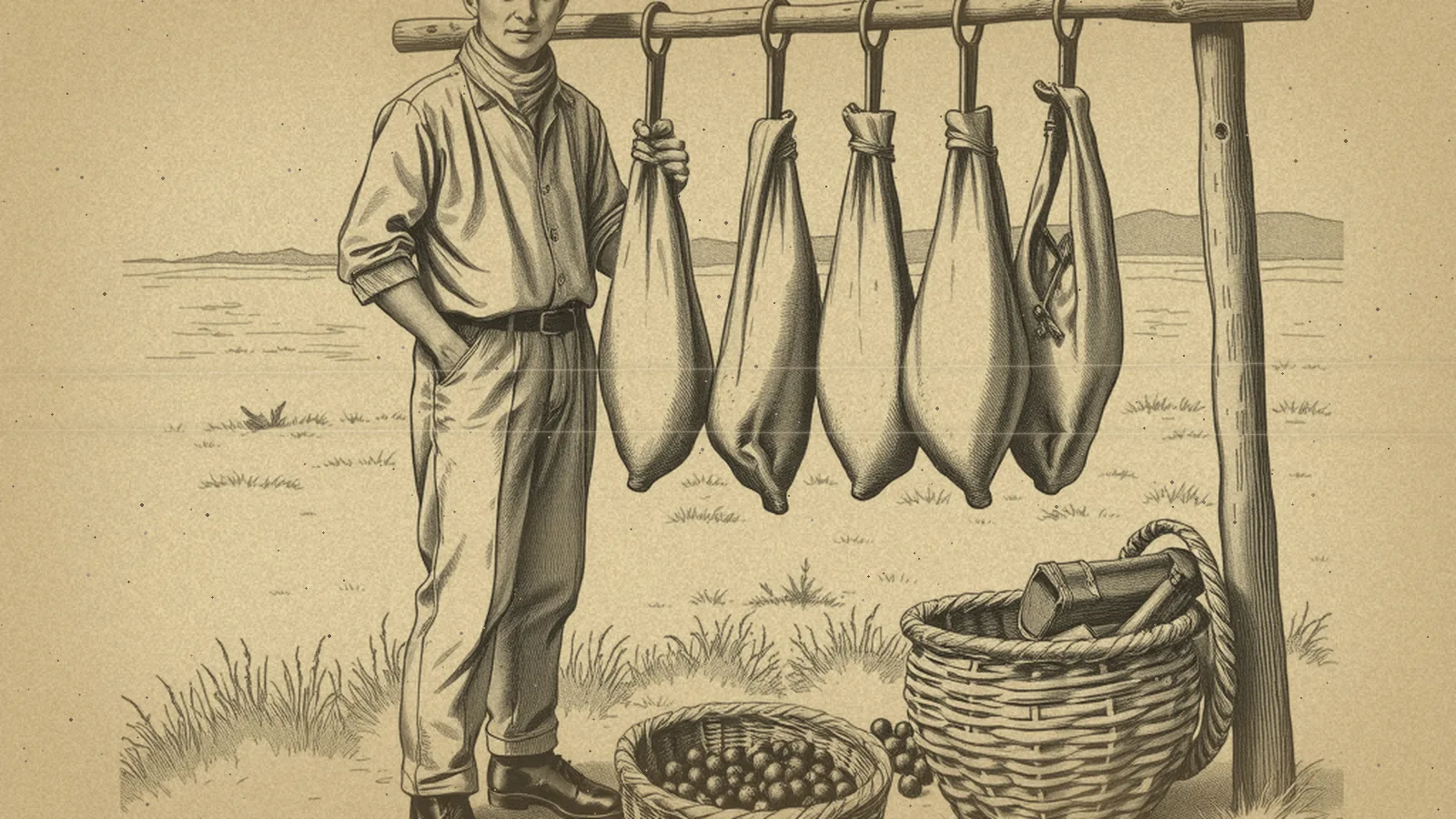
Pemmican is a traditional food made from dried lean meat pounded fine and mixed with melted fat, sometimes with dried berries. Indigenous peoples of the North American Plains made it for generations as a compact, high-energy food for travel and winter. It's a real piece of food history, but it isn't a miracle food, and homemade versions need careful handling to be safe.
Learning about traditional foods is a fun corner of our Food Storage section. These foods show how people kept themselves fed without refrigerators, and they teach useful ideas about drying, salting and fat. They also come with modern cautions that old recipes don't mention.
Where pemmican comes from
The word pemmican comes from the Cree language. Cree, Lakota, Blackfoot, Métis and many other Plains peoples made versions of it, mostly from bison, and also from elk, deer and other game. Women typically did much of the skilled work: slicing meat thin, drying it on racks in the sun and wind, pounding it into a coarse meal, and blending it with rendered fat.
Dried berries such as chokecherries or saskatoon berries were sometimes mixed in for flavor. The finished food was packed into rawhide bags and sealed with more fat. It was light to carry and very rich in energy, which made it valuable for hunting trips, travel and long winters.
Later, the fur trade depended heavily on pemmican bought from Indigenous and Métis suppliers. It fed canoe crews traveling huge distances. Some polar expeditions in the late 1800s and early 1900s carried versions of it as well.
When you read about pemmican, it's worth remembering that it comes from living cultures, not just history books. Many Indigenous families and communities still make and share it today.
How it was traditionally made
The basic idea was simple, though doing it well took skill:
- Lean meat was sliced thin and dried until hard.
- The dried meat was pounded into a coarse powder.
- Fat was rendered, or melted down and strained.
- The meat powder was mixed with warm fat, often in roughly equal amounts by volume.
- Dried berries were sometimes added.
- The mixture was packed tightly and allowed to cool and set.
The drying removed water that bacteria need, and the fat sealed out air. Cold, dry climates helped too.
Modern food-safety cautions
Traditional methods developed in specific climates with deep experience behind them. A home cook following a quick online video doesn't have that context. Here's what to keep in mind if you try making pemmican today:
- Raw meat can carry bacteria. Low-heat drying alone may not kill them. Current guidance for dried meats is to heat the meat to a safe internal temperature as part of the process. Our guide to dehydrating food covers this for jerky, and the same idea applies here.
- Fat can go rancid. Rancid fat tastes and smells bad and isn't something to eat. Use fresh, clean, well-strained fat and store finished pemmican cool and dark.
- Moisture is the enemy. Any meat that isn't fully dry gives bacteria a place to grow. Berries add moisture too, so plain versions keep better than fruity ones.
- Claims of keeping "for decades" aren't a safety standard. Old stories describe long storage, but those batches were made by skilled hands in specific conditions. Treat homemade pemmican as a food to make in small amounts, eat within a reasonable time and check before eating.
- It isn't a complete diet. Pemmican is mostly protein and fat. It was one food among many, not something people lived on alone.
When in doubt about any batch, throw it out.
Other traditional foods worth knowing
Pemmican isn't the only food people used to stretch the seasons. Here are a few others, with notes on how they fit modern kitchens:
| Food | What it is | Modern note |
|---|---|---|
| Hardtack | A very dry, hard cracker of flour, water and sometimes salt, long used by sailors and soldiers | Easy and inexpensive to make; very bland and hard, usually softened in soup or coffee |
| Jerky | Thin strips of dried, often salted meat; the word traces back to a Quechua term from the Andes | Make it with a tested recipe that includes a heating step |
| Dried and smoked fish | A staple for many coastal and river peoples | Home smoking and drying of fish needs tested guidance; ask your extension office |
| Parched corn | Dried corn kernels toasted for travel | Simple and shelf-stable once fully dry |
| Fermented vegetables | Sauerkraut, kimchi and similar foods preserved by salt and natural fermentation | Follow tested recipes for salt amounts; refrigerate or can as directed |
| Root cellar storage | Potatoes, carrots, onions, squash and apples kept cool and dark | Still useful today; see our root cellar guide |
Should you make pemmican for emergencies?
Honestly, for most households, it's more of an interesting project than an emergency staple. Peanut butter, canned meats, canned fish and nuts offer similar protein and fat with far less work and better-known storage times. Our guide to food storage on a budget shows how inexpensive staples can cover the same needs.
That said, making a small batch can teach real skills: drying meat safely, rendering fat and thinking about calories. If you do, use it as a trail snack or crumble it into a stew. Our guide to cooking with stored food has ideas for turning dense, shelf-stable foods into meals people actually enjoy.
A family project, done safely
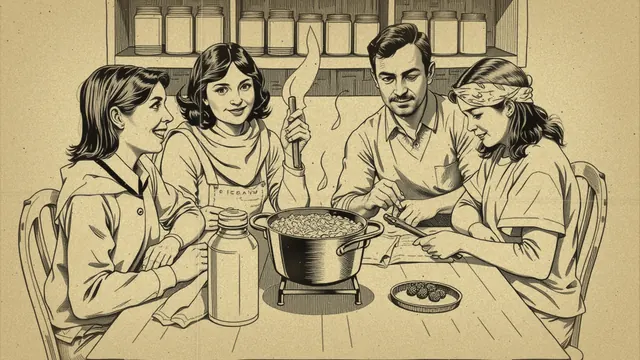
Picture a family of three who want to learn about traditional foods together. A safe, simple plan:
- Read about pemmican's history together, including books or resources from Indigenous authors and museums
- Make a small batch of jerky first, using a tested recipe with a heating step
- Pound a few strips into a coarse powder and mix with a little clean, melted fat
- Skip the berries the first time to keep it drier
- Store it in the refrigerator and eat it within a few days, just to learn the taste and texture
This treats pemmican as a learning experience rather than a long-term storage experiment, which is exactly the right spirit for a first try.
Skills over shortcuts
Traditional foods often show up in ads for survival courses and products that promise forgotten ancient wisdom or foods that last forever. Be wary of anything sold with that kind of language. Our guide to survival skills focuses on the practical abilities that matter most, and our red flags guide explains how to spot overblown marketing before you spend money.
Start today
Choose one traditional food from the table above and learn its history before you try making it. If it involves meat or fish, find a tested recipe from the USDA or your local extension office first. Start with a small batch, eat it fresh, and treat the project as a way to build skills, not a shortcut to a stocked pantry.
Want a guided preparedness plan?
Some people like the structure of a paid guide. This button opens a third-party survival or preparedness program from one of our advertising partners. Its claims are its own, not ours, so weigh them against our red flags checklist.
See the partner program →We may be paid when you click. The program shown can change. Read its terms before you buy anything. How this works
Frequently asked questions
What is pemmican made of?
Traditional pemmican is dried lean meat pounded into a coarse powder and mixed with melted animal fat, sometimes with dried berries. Indigenous peoples of the North American Plains made it from bison and other game long before European contact.
Is homemade pemmican safe to eat?
It can be, but only if the meat is handled and dried safely and the fat is clean and stored well. Raw meat that is only air-dried at low heat can carry bacteria, so follow tested guidance for drying meat and treat homemade pemmican as a perishable-leaning food rather than one that keeps forever.
How long does pemmican last?
Historical accounts describe it keeping for long trips, but homemade batches vary a lot depending on how dry the meat is and how the fat is stored. Fat can turn rancid, so make small batches, keep them cool and dark, and throw out anything that smells off.