Food Shelf Life: How to Read Dates and Tell When Stored Food Has Gone Bad
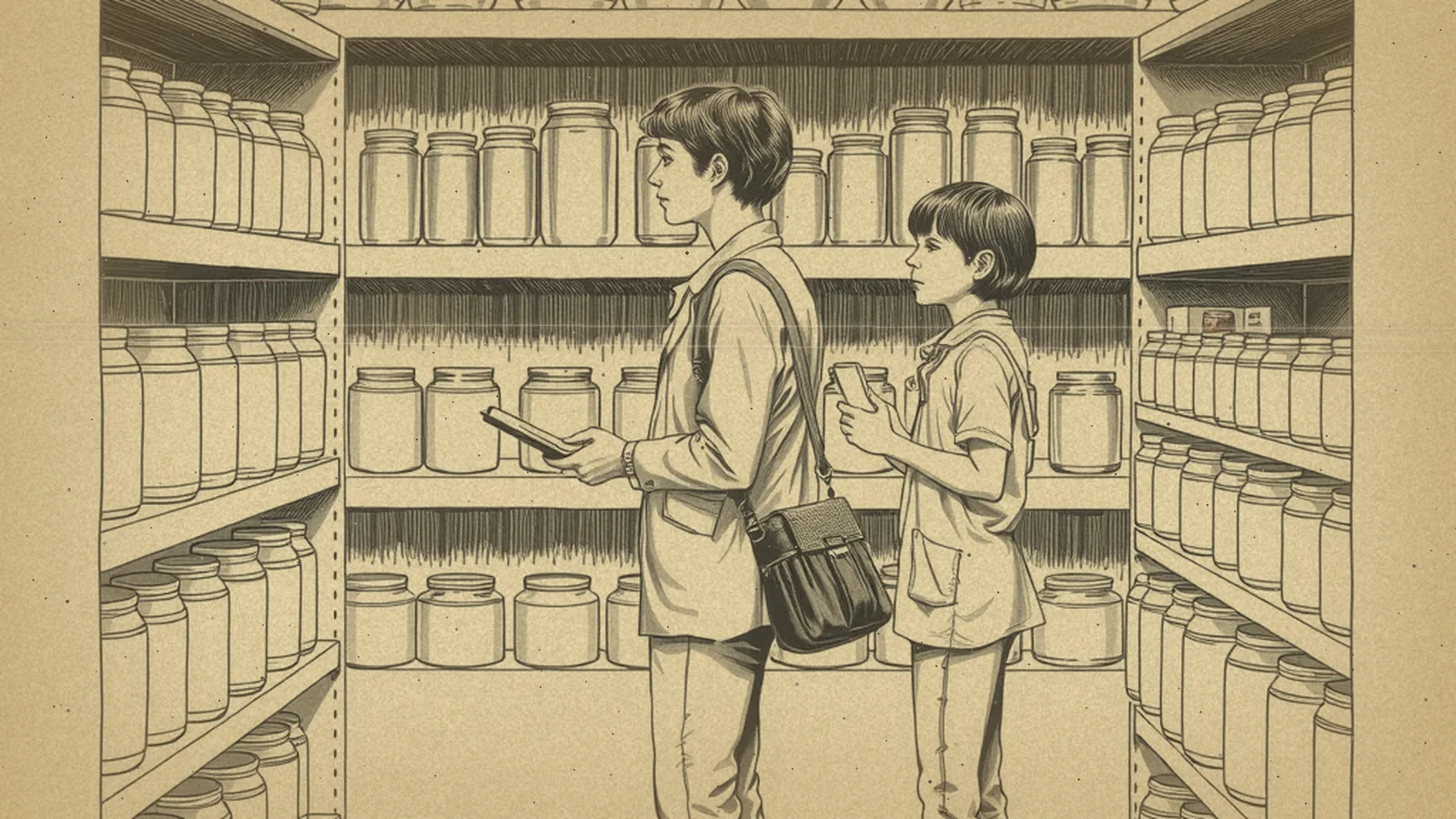
Food shelf life depends on three things: the food itself, its packaging and how it has been stored. Package dates are your first guide, but most "best-by" dates describe peak quality, not safety. Shelf-stable foods kept cool, dry and sealed often stay good longer than foods kept somewhere hot or damp. Any food with signs of spoilage, or a damaged container, should be thrown out.
Understanding shelf life is what makes the rest of our Food Storage section work, because a supply is only useful if you know when to eat it and when to let it go.
What the dates on packages mean
Manufacturers choose most of the dates you see, and the wording varies. Here is how the common phrases are generally used:
| Label phrase | What it usually means | What to do |
|---|---|---|
| Best if used by / best by | The date the food is at peak flavor and quality | Often still fine after if stored well and the package is intact; check it before eating |
| Use by | The last date recommended for best quality, set by the maker | Follow it, especially for perishable foods |
| Sell by | A guide for stores on stock rotation | Not a safety date; buy before it and use soon after |
| Freeze by | When to freeze for best quality | Freeze before the date if you are not using it soon |
| Use by on infant formula | The date through which the formula is expected to be safe and nourishing | Always follow it; do not use formula past this date |
When a shelf-stable food passes its best-by date, it may lose flavor, texture or some nutrients long before it becomes unsafe. That's why your nose, eyes and the package condition matter as much as the printed date.
Why storage conditions change everything
Two cans of the same soup, bought the same day, can age very differently. One kept in a cool interior closet will usually hold its quality much longer than one stored in a hot car trunk or a garage that bakes in summer.
The factors that shorten shelf life:
- Heat, which speeds up chemical changes
- Moisture and humidity, which invite mold and rust
- Light, which fades color and some nutrients
- Oxygen, which makes fats taste stale
- Pests, which damage packaging and contaminate food
Good packaging fights several of these at once. Dry staples sealed in foil-lined bags with oxygen absorbers are protected from light, oxygen and insects; our guide to mylar bags and oxygen absorbers shows how it's done and which foods suit it.
General guidance by food type
Shelf life numbers vary widely by source and product, so this page doesn't list exact timeframes. Instead, here's how common foods tend to compare when stored well.
| Food type | Tends to keep | Notes |
|---|---|---|
| Salt, sugar, honey | Very long, if kept dry | Honey may crystallize; that is normal |
| White rice, dry beans, plain pasta | Long, especially in airtight packaging | Older beans may take longer to cook |
| Rolled oats, nonfat dry milk | Fairly long in airtight packaging | Watch for stale or off smells |
| Commercially canned foods | Follow the can date | Keep them cool and dry, and check each can before opening |
| Home-canned foods | Shorter than commercial cans | Use tested methods and eat within the time your recipe source recommends |
| Brown rice, nuts, whole-grain flour, oils | Shorter, because of natural oils | Keep small amounts and rotate quickly |
| Crackers, cereal, chips | Shorter once opened | Reseal tightly to slow staling |
For specific numbers, check the package and the manufacturer, and look up your state's cooperative extension service. Extension services publish free, research-based storage charts and can answer questions by phone or email.
Signs food should be thrown out
Use your senses, but never taste food to test it. Throw out:
- Cans that are bulging, leaking, spurting when opened, rusted through or deeply dented, especially on the seams
- Jars with loose or bulging lids, or broken seals
- Any food with mold, slime or an unusual color
- Food that smells sour, rancid, musty or "off"
- Dry goods with insects, webbing, droppings or chewed packaging
- Powdered foods that have clumped hard from moisture
- Anything that may have touched floodwater, except undamaged commercial cans that have been cleaned and sanitized
The USDA's simple rule applies here too: when in doubt, throw it out. Our guide to food safety in emergencies covers floodwater contamination and how to clean cans in more detail. For refrigerated and frozen food after an outage, see food safety during a power outage, which explains the official time limits.
Home-canned food has its own rules
Home-canned foods can be a wonderful part of a supply, but their safety depends on using tested recipes and the right method. Low-acid foods such as vegetables, beans and meats must be pressure canned, not water-bath canned. Our guide to home canning basics explains the methods and why tested recipes matter.
Keeping track without stress
You don't need to memorize shelf-life charts. A simple system does the work for you:
- Write the purchase or packing month on every item with a marker.
- Store new items behind old ones so the oldest gets used first.
- Keep an inventory sheet on the pantry door or in your phone notes.
- Check your supply twice a year, perhaps when the clocks change.
- Move anything near its date into this week's meals, or donate unopened items before their dates.
Our guide to rotating food storage goes step by step through first-in, first-out storage and setting up an inventory sheet.
A worked example: the twice-a-year check
A household of three, including a grandparent with diabetes, does a pantry check every spring and fall. They:
- Pull everything off one shelf at a time
- Toss two dented cans and a box of crackers that smelled stale
- Move six cans with the nearest dates into the next two weeks of dinners
- Check that the grandparent's diabetes-friendly snacks are still within date
- Write a shopping list to refill what they used
It takes about an hour and keeps the whole supply trustworthy.
Be careful with big shelf-life promises
Some products advertise extremely long shelf lives as a selling point. Those claims may be true only under ideal storage, and they say nothing about whether your family will want to eat the food. If you're weighing a pricey kit or course, our guide to choosing a preparedness program explains what to look for before spending money.
Do this today
Pick one shelf in your pantry. Check every date, move the oldest items to the front and write the month on anything that doesn't already have a clear date.
Want a guided preparedness plan?
Some people like the structure of a paid guide. This button opens a third-party survival or preparedness program from one of our advertising partners. Its claims are its own, not ours, so weigh them against our red flags checklist.
See the partner program →We may be paid when you click. The program shown can change. Read its terms before you buy anything. How this works
Frequently asked questions
Is food safe to eat after the best-by date?
A best-by date is usually about quality, not safety, so many shelf-stable foods are still safe after it if the package is intact and the food looks and smells normal. Use-by dates and dates on infant formula should be followed, and when in doubt, throw it out.
How long does canned food last?
It depends on the food and how it was stored. Follow the date on the can, keep cans cool and dry, and discard any can that is bulging, leaking, rusted through or badly dented.
Where can I find reliable shelf life information?
Start with the package date and the manufacturer. For specific questions about storage times, your county or state cooperative extension service offers free, research-based guidance.