How to Treat a Burn at Home and Know When It's an Emergency
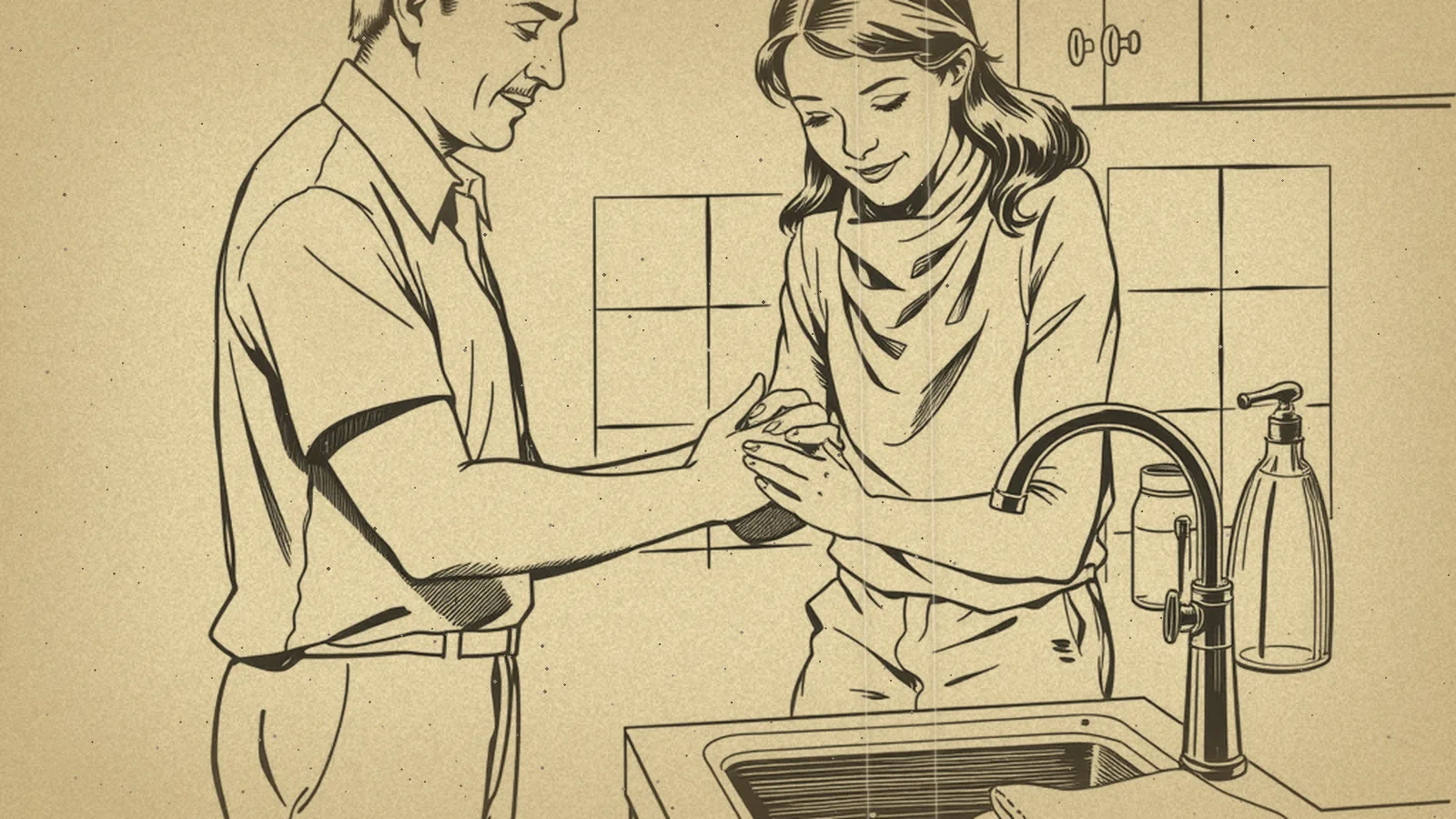
To treat a burn, stop the burning, then cool the area under cool (not ice-cold) running water for about 10 to 20 minutes, and cover it loosely with a clean, non-stick dressing. Don't use ice, butter or ointments on serious burns. Large, deep or facial burns need emergency care, so call 911 for those.
Burns are one of the most common injuries during power outages, when people cook on camp stoves, light candles and use heaters they don't use every day. Burn care sits alongside CPR and bleeding control in our First Aid & Health section, and like everything there, it isn't medical advice. A first aid class will give you hands-on practice and answer questions about your own household.
First steps for any burn
- Stop the burning. Move the person away from the heat source. Turn off the stove or unplug the appliance if it's safe to do so.
- Cool it with running water. Hold the burned area under cool running tap water for about 10 to 20 minutes. If tap water is out, pour cool clean stored water slowly over the burn.
- Remove tight items gently. Take off rings, watches, bracelets and snug clothing near the burn before swelling starts. Leave anything stuck to the skin alone.
- Cover loosely. Use a clean, dry, non-stick dressing or a clean cloth. Don't wrap it tightly.
- Keep the person warm. Cooling a burn can chill the rest of the body, especially a child or an older adult. Cover unburned areas with a blanket.
What not to do
| Don't | Why |
|---|---|
| Use ice or ice water | It can damage skin further |
| Spread butter, oil or home remedies | They hold heat in and can raise infection risk |
| Put ointments on a serious burn | Medical teams need to see the burn clearly |
| Pop blisters | Blisters protect the skin underneath |
| Pull off stuck clothing | It can tear the skin |
For small, minor burns, ask a pharmacist or your doctor what to use afterward. Never take or give medication based on a website.
When a burn is an emergency
Call 911 or get emergency care if the burn:
- Is large, deep, or looks white, leathery, brown or charred
- Is on the face, or the person was near smoke or flames and is coughing, hoarse or short of breath
- Is on the hands, feet, groin or a major joint
- Came from electricity or a chemical
- Happened to a baby, a young child or an older adult and you're unsure how serious it is
If you're on the fence, call. Dispatchers and nurse lines would rather help you decide than have you wait.
Electrical and chemical burns
Electrical burns: Don't touch the person until the power is off. If a downed line is involved, stay far back and call 911. Electrical injuries can affect the heart, so if the person stops responding and isn't breathing normally, start CPR as described in our CPR basics guide.
Chemical burns: Brush off any dry chemical with a gloved hand or cloth, then flush the skin with lots of running water. Remove contaminated clothing carefully. Call Poison Control at 1-800-222-1222 for guidance on the specific product, or 911 if the person is struggling to breathe. Cleanup after floods and storms often involves strong cleaners, so our poison and toxic exposure guide is worth a read before you start.
Preventing burns during outages
Most burns during emergencies are preventable. A few habits help a lot:
- Cook outdoors with camp stoves and grills, never inside. Keep children and pets back from the cooking area. Our cooking without power guide covers safe setups and fuel storage.
- Use battery lights instead of candles. If you must use candles, keep them away from curtains, bedding and kids, and never leave them burning in an empty room.
- Turn pot handles inward on any stove so they can't be bumped.
- Let fuel cool before refilling lanterns and stoves.
- Keep a fire extinguisher where you cook, and learn how to use it before you need it.
A practice scenario
Think of a rural family making dinner on a camp stove on the back porch during a winter outage. A teenager reaches over the pot and steam burns the inside of their wrist. Here's how it plays out calmly:
- The parent turns off the stove and moves the teen indoors.
- Tap water is out, so they use a jug of stored water, pouring slowly over the wrist for the full cooling time.
- They take off the teen's watch before swelling starts.
- They cover the burn with a clean, non-stick pad from the kit.
- They wrap the teen in a blanket, since it's cold and cooling makes them shiver.
- The burn is small and red with no blistering, so they call the nurse line for advice in the morning rather than 911.
In a cold outage, keeping a burned person warm matters as much as cooling the burn. Our guide to hypothermia and cold injuries explains the signs that someone is getting too cold. And in hot weather, a person with a sunburn or a burn may also be overheating, so the heat illness guide helps you spot heat exhaustion early.
Burn supplies for your kit
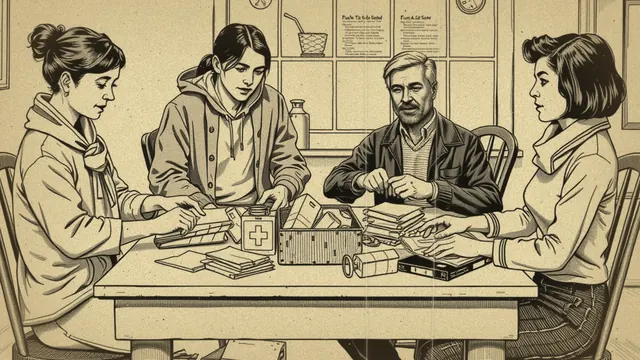
- Non-stick sterile dressings in several sizes
- Rolled gauze to hold dressings loosely in place
- Clean cloths or a clean pillowcase for larger areas
- Disposable gloves
- A jug of clean water dedicated to first aid
- A card with Poison Control's number
Do this today
- Check that your kit has non-stick dressings, not just adhesive bandages.
- Set aside a jug of water labeled for first aid.
- Look at where you'd set up a camp stove outdoors, away from doors, windows and anything that can catch fire.
- Show everyone at home how to cool a burn and when to call 911.
- Add a first aid class to the calendar; most cover burns along with CPR.
Burns can be frightening, but the first steps are simple and calm hands make them work.
Want a guided preparedness plan?
Some people like the structure of a paid guide. This button opens a third-party survival or preparedness program from one of our advertising partners. Its claims are its own, not ours, so weigh them against our red flags checklist.
See the partner program →We may be paid when you click. The program shown can change. Read its terms before you buy anything. How this works
Frequently asked questions
How long should you run water over a burn?
Cool the burn under cool, not ice-cold, running water for about 10 to 20 minutes. Then cover it loosely with a clean, non-stick dressing or clean cloth.
Should I put butter, ice or ointment on a burn?
No. Don't use ice, butter or ointments on a serious burn. Cool running water is the right first step, followed by a loose, clean covering.
When does a burn need emergency care?
Large, deep or facial burns need emergency care, as do burns from electricity or chemicals and burns with smoke breathing problems. Call 911 for those, and get medical advice for any burn you're unsure about.