Hands-Only CPR Basics: What to Do When an Adult Stops Responding
Hands-only CPR is simple: if an adult suddenly goes down and isn't responding or breathing normally, call 911, then push hard and fast in the center of their chest, about 100 to 120 compressions per minute, until help arrives. If an AED (automated external defibrillator) is nearby, use it as soon as you can. That's the American Heart Association's guidance, and it's a skill anyone can learn in an afternoon.
CPR is one of the anchor skills in our First Aid & Health section. This page explains the steps, but it isn't a substitute for training. Practicing on a manikin teaches you how deep and fast to push in a way words can't.
The steps of hands-only CPR
- Check that the area is safe. Look for traffic, electrical hazards, smoke or water.
- Check for a response. Tap the person's shoulder and shout, "Are you okay?"
- Call 911. If someone else is nearby, point at them and say, "You, call 911 and find an AED." If you're alone, call on speaker and set the phone beside you.
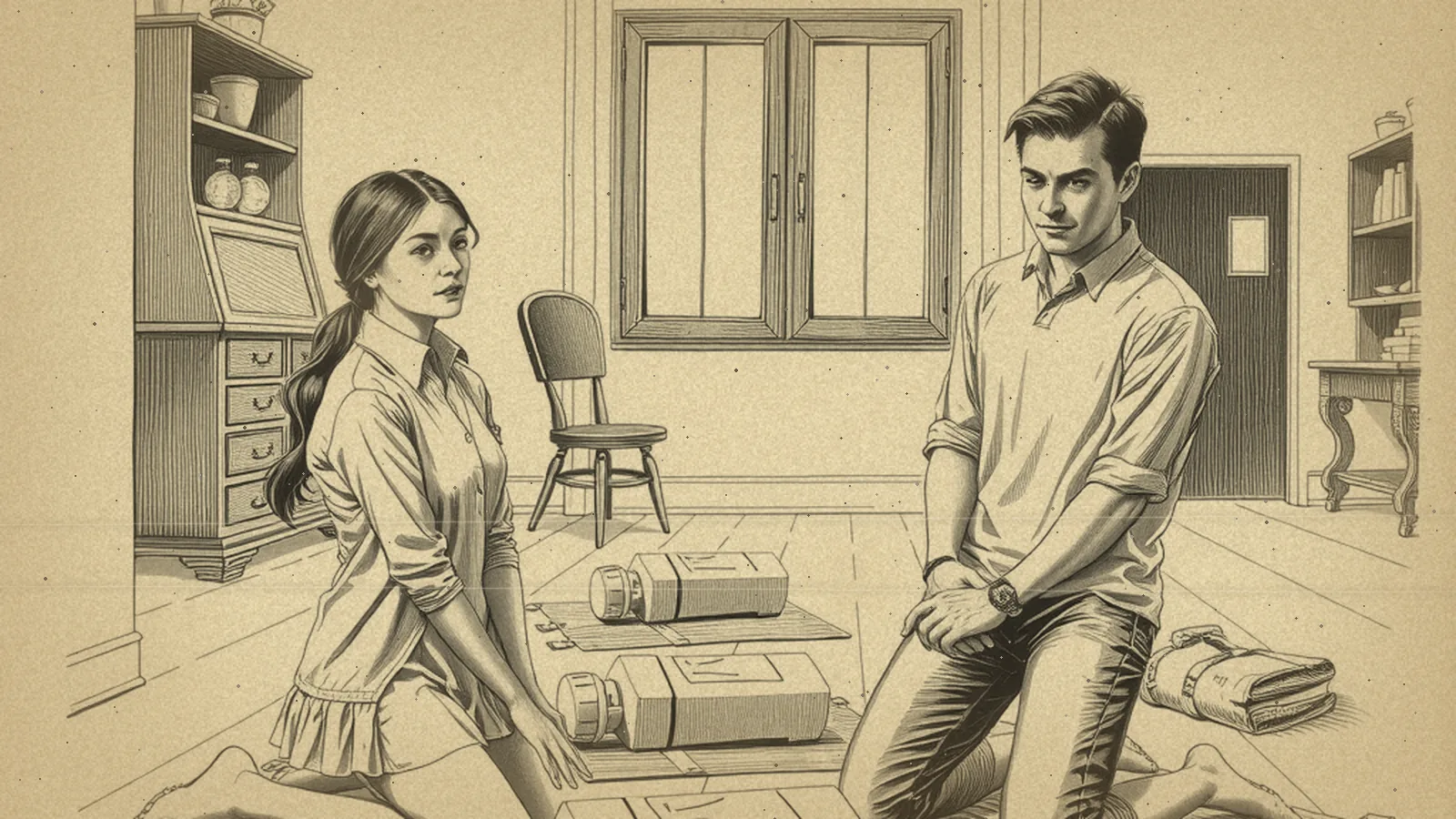
- Position yourself. Kneel beside the person, who should be on their back on a firm surface. Put the heel of one hand in the center of the chest, the other hand on top, and lock your elbows.
- Push hard and fast. Use your body weight, pushing straight down, and let the chest come back up fully between pushes. Aim for about 100 to 120 compressions per minute.
- Don't stop. Keep going until emergency responders take over, an AED is ready, or the person starts moving or breathing normally.
The dispatcher can count with you over the phone. Many people find it easier to keep the pace by humming an upbeat song in their head; your instructor can suggest one.
Using an AED
AEDs are portable devices found in many offices, gyms, schools, airports, libraries and houses of worship. They're designed for people with no medical background.
- Turn it on. It will talk to you and give step-by-step instructions.
- Expose the person's chest and place the pads as the pictures show.
- Stand clear when the device says it is checking the heart rhythm or delivering a shock.
- Restart compressions as soon as it tells you to.
If two people are helping, one should keep pushing while the other sets up the AED. Switch roles when the person doing compressions gets tired, since tired arms push more shallowly.
When hands-only CPR is not the whole answer
Hands-only CPR is taught for teens and adults who suddenly go down. Some situations call for a different approach that includes rescue breaths:
- Infants and young children
- Someone pulled from the water
- Someone whose breathing stopped first, such as from a severe asthma attack or a drug overdose
A full CPR class teaches these versions. If your household includes a baby, a child who swims, or a relative with a lung condition, choose a class that covers them.
Special situations in disasters
Emergencies can make CPR harder. A few things to think about ahead of time:
- No phone signal. Text 911 if your area supports it, send someone to find help, or use a neighbor's landline. Keep doing compressions while someone else seeks help.
- Cold surroundings. If you're helping someone in a winter outage, compressions come first. Once help arrives, responders will manage warming. Our guide to hypothermia and cold injuries explains the signs that someone is getting dangerously cold before it reaches that point.
- Other injuries. If the person is also bleeding heavily and you have a second helper, one person can press on the wound while the other does CPR. The Stop the Bleed guide covers bleeding control.
- Fire and smoke. After a house fire, someone may have both burns and breathing problems. Move them only if the area is unsafe. The treating burns guide explains what to do for the burns once the person is breathing and responders are on the way.
Build CPR into your family plan
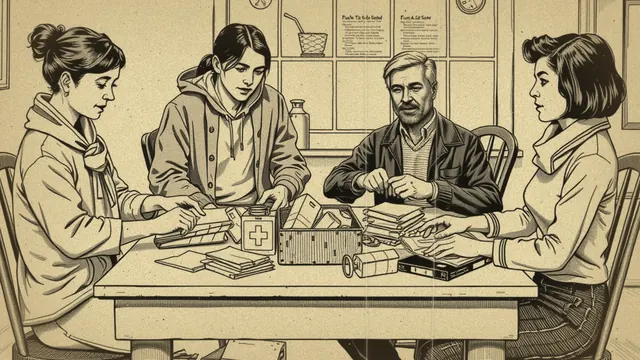
A CPR skill helps most when the people around you know who will do what. Consider a household of three adult roommates in an apartment building:
| Role | Who | What they practice |
|---|---|---|
| Caller | Roommate A | Calling 911, giving the building and unit number, unlocking the lobby door |
| Compressions | Roommate B | Hands-only CPR, switching off when tired |
| AED runner | Roommate C | Knowing where the building's AED is and how to open the cabinet |
Writing roles like these into your family emergency plan means no one freezes wondering what to do. Even a household of one can plan: know where the nearest AED is on your floor, and tell a neighbor you've been trained.
How to choose a CPR class
Look for an in-person or blended class from a recognized provider such as the American Heart Association or the Red Cross, with real time on a manikin. Fire departments, hospitals, community colleges and workplaces often host affordable sessions, and some offer free community events. Be wary of online-only "certificates" that promise expertise with no hands-on practice. Our guide to spotting red flags in survival and safety programs explains other warning signs, like pressure tactics and claims that one course will guarantee your family's safety.
Do this today
- Find the AED nearest your home, workplace and your kids' school.
- Save your address in your phone so you can read it to a dispatcher.
- Practice the hand position on a firm cushion for a minute to get a feel for the pace.
- Book a CPR class and invite a friend or family member.
- Talk with the people you live with about who would call, who would push and who would get the AED.
CPR is an act of care. You don't have to be perfect. Starting compressions and calling for help gives a person their best chance until professionals arrive.
Want a guided preparedness plan?
Some people like the structure of a paid guide. This button opens a third-party survival or preparedness program from one of our advertising partners. Its claims are its own, not ours, so weigh them against our red flags checklist.
See the partner program →We may be paid when you click. The program shown can change. Read its terms before you buy anything. How this works
Frequently asked questions
How fast should you push during hands-only CPR?
The American Heart Association says to push hard and fast in the center of the chest at about 100 to 120 compressions per minute. Keep going until help arrives or an AED is ready to use.
Can I hurt someone by doing CPR?
CPR is only for someone who is not responding and not breathing normally, and in that situation they need help right away. A class will show you how hard to push and help you feel confident. Legal protections for people who help in good faith vary, so check your state and local rules if you're curious.
Is hands-only CPR right for children and infants?
Hands-only CPR is taught for adults who suddenly go down. Infants, children and people who stopped breathing because of drowning or a breathing problem are generally taught a version with rescue breaths, so take a class that covers the ages in your home.