What to Do in a Poisoning Emergency
In a poisoning emergency, call 911 if the person is unconscious, having trouble breathing or having a seizure. Otherwise, call Poison Control at 1-800-222-1222 right away, even if the person seems fine, and follow the expert's instructions. Don't try to make someone vomit, and don't wait for symptoms to appear before calling.
Poisonings happen every day at home, but disasters add new risks: fuel cans in the garage, cleaning chemicals during cleanup, floodwater carrying who-knows-what, and kids exploring unfamiliar shelters or relatives' homes. Knowing who to call is one of the most useful skills in our First Aid & Health section, because the right first call can make a real difference.
Call 911 or Poison Control?
| Situation | Call |
|---|---|
| Person is unconscious or very hard to wake | 911 |
| Trouble breathing, choking or chest pain | 911 |
| Seizure | 911 |
| Swallowed something and seems fine | Poison Control, 1-800-222-1222 |
| Chemical splashed on skin or in eyes | Poison Control, or 911 if severe |
| Breathed in fumes and feels unwell | Get to fresh air, then call; 911 if symptoms are serious |
| Ate an unknown plant or mushroom | Poison Control |
| Unsure whether it's dangerous | Poison Control |
Poison Control is free and confidential, staffed by experts, and also answers questions about medicines, household products, plants, bites and stings. It's fine to call just to ask.
Save the number in every phone in your home today, and write it on the emergency contact sheet in your kit.
First steps by type of exposure
While you wait for help or are on the phone, these general steps are widely taught. Always follow what the poison center or dispatcher tells you.
Swallowed:
- Take the product away from the person and check their mouth for anything left.
- Don't make them vomit, and don't give food, drink or any home remedy unless you're told to.
- Keep the container with you so you can read the label to the expert.
Breathed in (fumes, gas, smoke):
- Get the person to fresh air, if you can do so without putting yourself at risk.
- Leave the area yourself if you smell gas or chemicals.
- Call 911 if they are dizzy, confused, short of breath or hard to wake.
Carbon monoxide is a special case because you can't smell it. Our carbon monoxide poisoning guide covers the warning signs and the alarms that help.
On the skin:
- Remove contaminated clothing, using gloves if you have them.
- Rinse the skin with plenty of running water.
- Call Poison Control for next steps.
In the eyes:
- Rinse the eye gently with lukewarm running water, keeping the eyelid open.
- Remove contact lenses if they come out easily.
- Call Poison Control while rinsing, or have someone else call.
Chemical risks during disaster cleanup
Cleanup brings people into contact with more chemicals than usual. Protect your household with a few habits:
- Never mix cleaning products. Bleach combined with ammonia or acidic cleaners can release dangerous fumes.
- Ventilate. Open windows and run fans when using cleaners indoors.
- Wear gloves, eye protection and boots when handling floodwater, mud and debris.
- Watch for spilled fuel and chemicals. Floodwater can carry gasoline, oil, pesticides and sewage. Keep children and pets out of it.
- Keep products in their original containers. Never store fuel or chemicals in drink bottles or food containers.
- Store fuel outdoors or in a detached shed, away from living spaces and out of reach of children.
- Check on medicines. Bottles scattered by a storm can end up within a child's reach. Gather them and store them up high.
If you're not sure whether something touched by floodwater is safe to eat, our food safety in emergencies guide explains what to keep and what to throw out.
Wild plants and mushrooms
After storms, mushrooms pop up in lawns and parks, and curious kids and pets may taste them. Never eat a wild plant or mushroom unless an expert has identified it with certainty; some deadly species look a lot like edible ones. If anyone eats something wild and you don't know what it is, call Poison Control right away, and save a sample or a photo if you can do so safely. Our foraging safety guide explains how to learn from local experts before you ever harvest.
Be wary of products sold online that promise to "detox" the body after an exposure or replace medical care. Our guide to red flags in survival products explains how to spot health claims that don't hold up.
Example: a busy household during a hurricane evacuation
A grandmother takes in her daughter's family of four plus a dog during a hurricane evacuation. With extra people, bags and supplies in a small house, the risks multiply: medicines on a nightstand, a jug of lamp oil on the porch, and cleaning supplies under an unlocked sink.
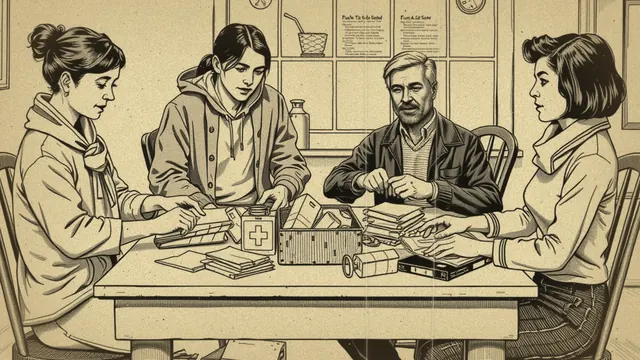
Before bed, the adults spend a few minutes doing a poison check together:
- Medicines go into a lidded box on a high closet shelf
- Lamp oil and fuel move to the detached shed
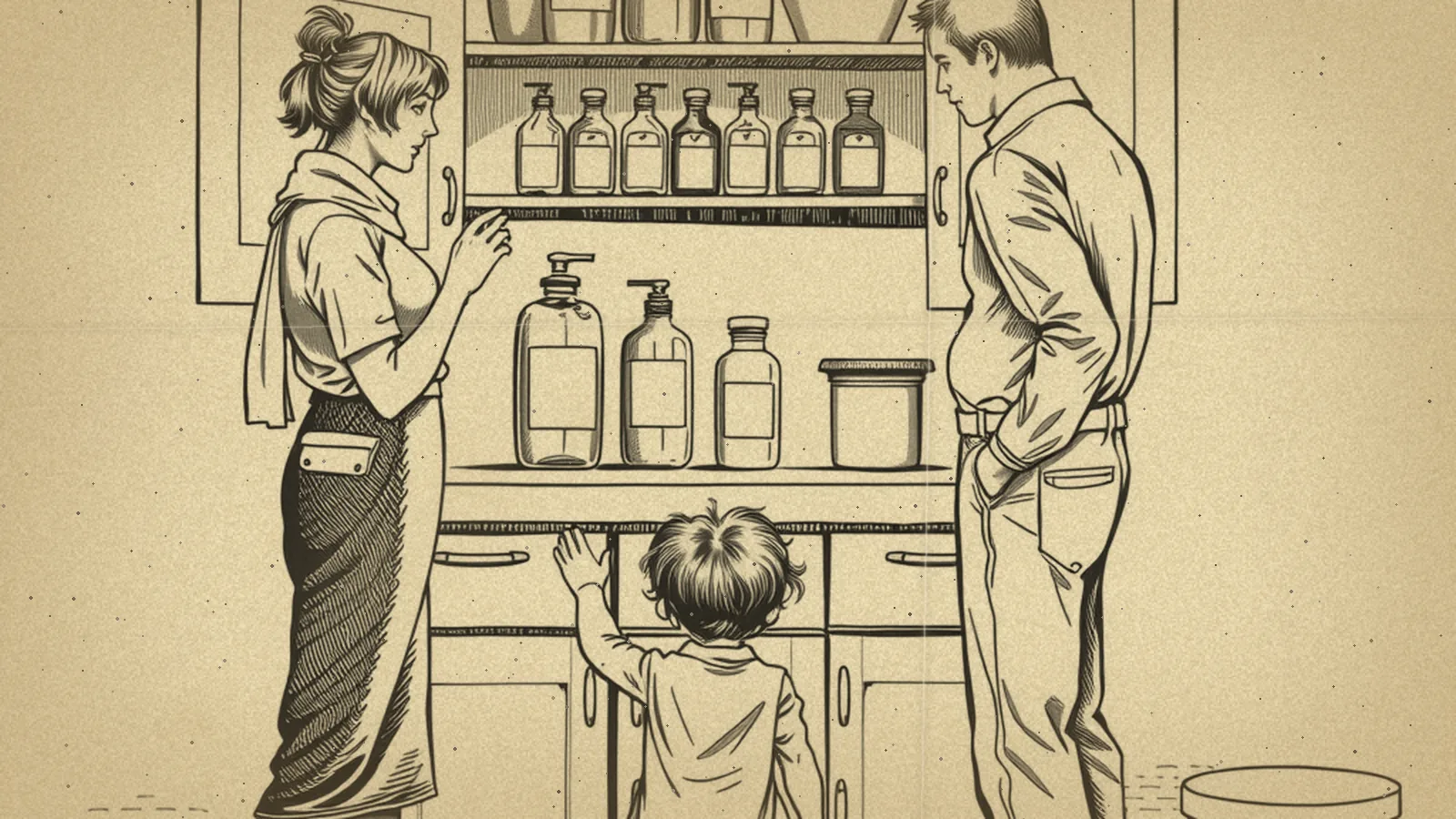
- Cleaners go up high or behind a child-safety latch
- The dog's food and the grandmother's heart medicines are kept separate
- Everyone saves 1-800-222-1222 in their phones
It takes little time and gives the whole household peace of mind. If a pet swallows something harmful, call your veterinarian or an emergency animal hospital.
Related first aid guides
- Basic skills like checking breathing and calling for help apply to poisonings too, so start with our basic first aid skills guide.
- Disaster cleanup also brings cuts from debris and broken glass, and our Stop the Bleed guide explains how to control serious bleeding until help arrives.
- A scary exposure, even one that ends well, can leave people shaken, and our mental health after disasters guide offers ways to cope.
This page is general information, not medical advice. Hands-on classes through the Red Cross or American Heart Association build confidence for emergencies like these. In any emergency, call 911.
Want a guided preparedness plan?
Some people like the structure of a paid guide. This button opens a third-party survival or preparedness program from one of our advertising partners. Its claims are its own, not ours, so weigh them against our red flags checklist.
See the partner program →We may be paid when you click. The program shown can change. Read its terms before you buy anything. How this works
Frequently asked questions
What is the Poison Control number?
In the US, call Poison Control at 1-800-222-1222. It connects you to your local poison center for free, confidential expert advice. Call 911 instead if the person has passed out, isn't breathing normally, won't wake up or is having a seizure.
Should I make someone vomit if they swallowed something poisonous?
No. Don't try to make someone vomit or give them anything to eat or drink unless Poison Control or a medical professional tells you to. Call first and follow their instructions.
Is it safe to eat wild mushrooms after a storm?
Only if an expert has identified them with certainty, and many experienced foragers still pass. Some deadly mushrooms look like edible ones, so if someone has eaten a wild mushroom and you're unsure what it was, call Poison Control right away.