How to Stop Serious Bleeding: What Stop the Bleed Teaches
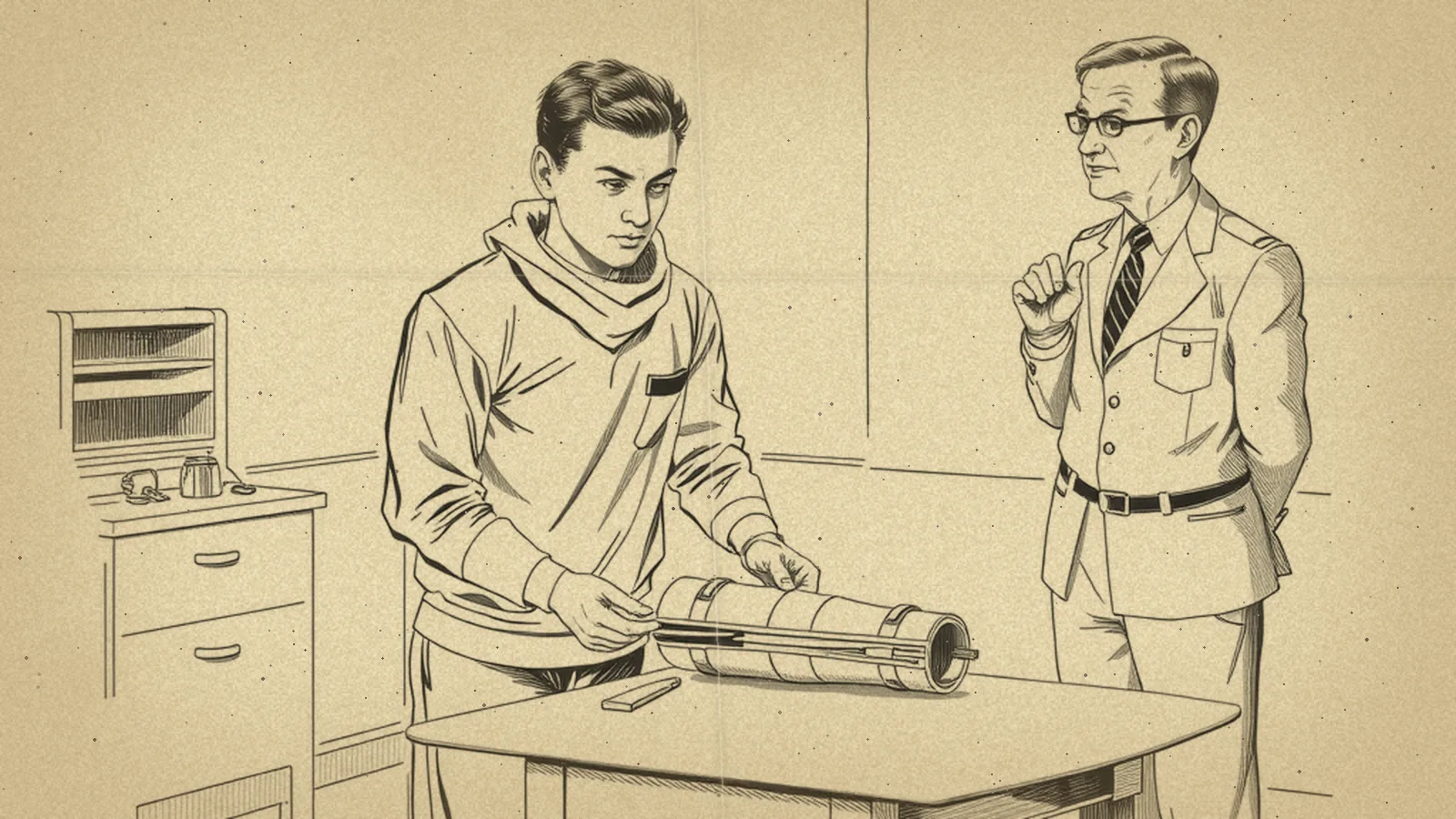
To stop serious bleeding, make sure the area is safe, call 911, and press hard on the wound with both hands using gauze or any clean cloth. If the wound is deep, pack it tightly with gauze and keep pressing. If bleeding from an arm or leg won't stop with pressure, a tourniquet placed between the wound and the body may be needed. These are the core steps of Stop the Bleed, a national campaign that trains everyday people to act in the minutes before help arrives.
This is one of the core skills in our First Aid & Health section. Reading about it is a good start, but bleeding control is a hands-on skill. The pressure needed is firmer than most people expect, and a short class lets you feel that on a training model.
Why bystanders matter
After a serious injury, the people nearby are often the only help for the first several minutes. That could be a coworker at a warehouse, a neighbor after a storm when a window shatters, or someone at the scene of a car crash on a rural road. Stop the Bleed exists because ordinary people with a few simple skills can keep someone stable until responders take over.
The three Stop the Bleed actions
1. Pressure
Direct pressure is the first and most common tool.
- Put on gloves if you have them. If not, use a plastic bag or a layer of cloth as a barrier, and don't let that slow you down.
- Find where the bleeding is coming from. You may need to open or cut away clothing.
- Place gauze or a clean cloth over the wound.
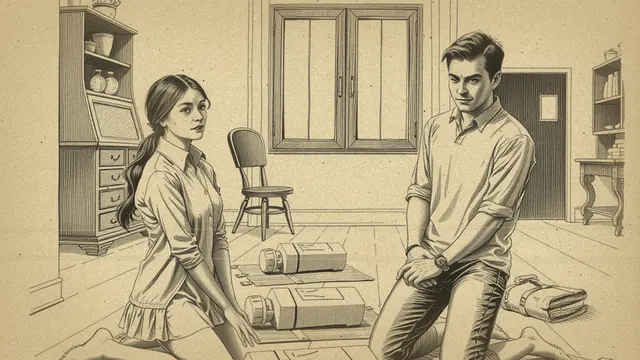
- Press straight down with both hands, using your body weight. Lock your arms if you can.
- Keep pressing. Don't lift to check. If blood soaks through, add more cloth on top and keep going.
2. Wound packing
Deep wounds, especially in places like the armpit, the groin or the side of the neck, may need packing. The idea is to fill the wound with gauze so pressure reaches the source. Classes teach you to push gauze firmly into the wound until it's full, then hold strong pressure on top. This is a step to practice on a training model before you ever need it.
3. Tourniquets
A tourniquet is a band that is tightened around an arm or leg to stop blood flow to a wound below it. Stop the Bleed teaches to place it between the wound and the body, tighten it until the bleeding stops, and leave it in place for emergency responders to manage. It will hurt, and that's expected. Don't loosen or remove it yourself.
Tourniquets work only on limbs. They can't be used on the neck, chest or abdomen. For those areas, pressure and packing are the tools.
What to keep in a bleeding control kit
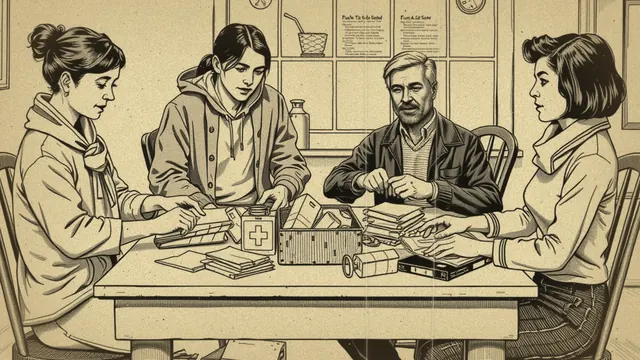
A small bleeding control kit can live in your car, your go-bag, a workshop or a farm truck. Typical contents:
- Disposable gloves (nitrile, in case of latex allergy)
- Several rolls of gauze, including packing gauze
- A pressure bandage
- A commercially made tourniquet of the type used in your class
- Trauma shears for cutting clothing
- A permanent marker
- A short instruction card
Keep it where you can grab it fast. Many families store one in the car next to the main kit; our car emergency kit guide shows how to organize it with winter and summer supplies. Check it once or twice a year so gloves haven't cracked and the tourniquet hasn't been borrowed.
A practice scenario
Imagine a shared woodshop in a community garden. A volunteer slips while using a saw and has a deep cut on the forearm. Here's what a trained bystander does, in order:
| Step | Action |
|---|---|
| 1 | Turns off the saw and makes sure no one else is near the blade |
| 2 | Points at one person: "You, call 911 and tell them our address" |
| 3 | Grabs the kit and puts on gloves |
| 4 | Presses gauze into the wound and holds hard pressure with both hands |
| 5 | If bleeding doesn't slow, applies a tourniquet above the wound as trained |
| 6 | Keeps the person warm, talks to them calmly and stays until responders arrive |
Pointing at a specific person matters. In a group, everyone may assume someone else already called.
After the bleeding is controlled
- Keep the person lying down and warm. A blanket or coat helps prevent shock.
- Stay with them and keep talking. Calm voices help.
- Tell responders exactly what you did, including if you placed a tourniquet.
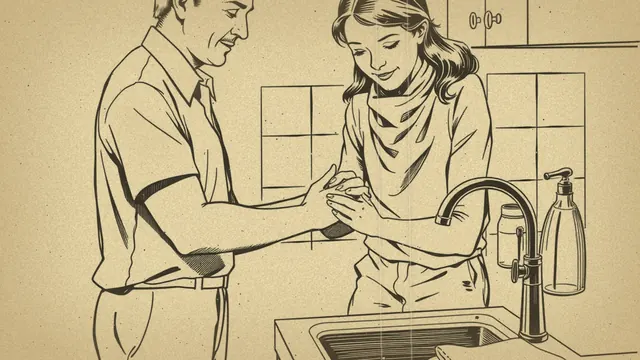
- Wash your hands well afterward, even if you wore gloves.
It's normal to feel shaky or upset afterward. Talk to someone you trust, and if it stays with you, a counselor can help.
How this fits with other first aid skills
Bleeding control pairs naturally with other life-saving skills. If an injured person stops responding and isn't breathing normally, the steps in our CPR basics guide become the priority while you wait for help. Injuries from kitchen fires or camp stoves often involve both cuts and burns, so the treating burns guide is worth reading alongside this one. And if you're building skills from scratch, our overview of basic first aid skills shows where bleeding control fits with calling 911, choking and shock.
Taking the class
Stop the Bleed classes are short and practical. You'll practice pressure on a model, pack a training wound, and apply a tourniquet to yourself and a partner. Many are offered free or at low cost by hospitals, trauma centers, fire departments and schools. Some workplaces and places of worship host them on site if a few people ask.
Do this today
- Search for a Stop the Bleed class near you and pick a date.
- Put gloves and gauze in your car if you don't have them already.
- Decide where a bleeding control kit would be easiest to grab at home.
- Practice the phrase "You, call 911" so it's ready when you need it.
None of this means danger is around every corner. It means that if a neighbor or loved one is hurt, your hands will know what to do.
Want a guided preparedness plan?
Some people like the structure of a paid guide. This button opens a third-party survival or preparedness program from one of our advertising partners. Its claims are its own, not ours, so weigh them against our red flags checklist.
See the partner program →We may be paid when you click. The program shown can change. Read its terms before you buy anything. How this works
Frequently asked questions
What is the first thing to do for serious bleeding?
Make sure the scene is safe, call 911 or have someone call, then press firmly on the wound with both hands using a cloth or gauze. Keep pressing hard and don't let up until help arrives.
Should I use a belt as a tourniquet?
Stop the Bleed instructors generally teach that a commercially made tourniquet works far more reliably than an improvised one. If you don't have one, firm direct pressure is your main tool. A class will show you how each option feels in practice.
Where can I take a Stop the Bleed class?
Many hospitals, trauma centers, fire departments and schools offer free or low-cost Stop the Bleed classes. Search for the national campaign's class finder or ask your local hospital.