First Aid Kit Checklist: Home, Car and Go Bag
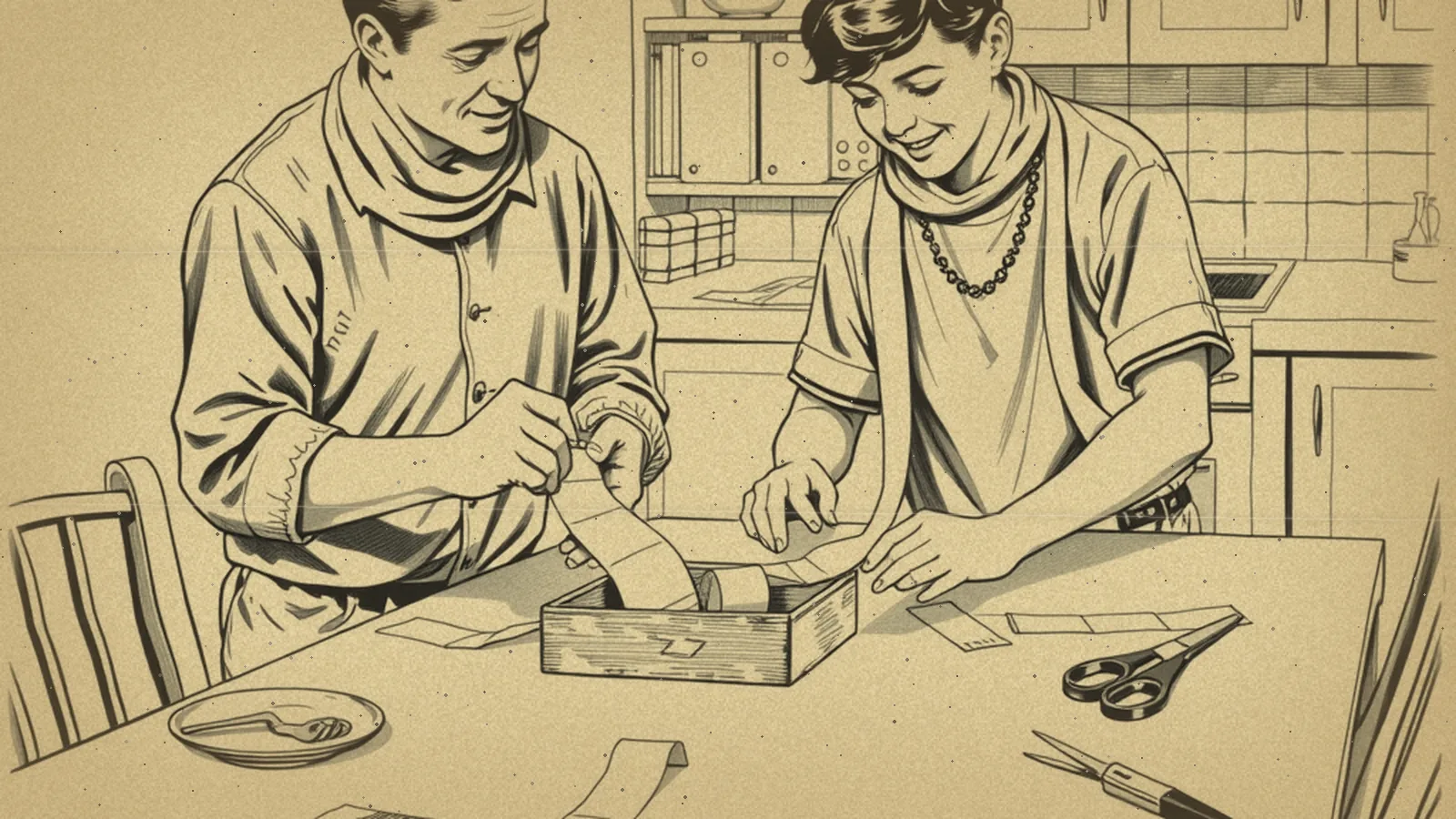
A good first aid kit holds supplies for the cuts, scrapes, burns, sprains and splinters that happen at home and on the road, plus a few items for bigger problems while you wait for help. The core list is simple: bandages, gauze, tape, gloves, antiseptic wipes, scissors, tweezers, a cold pack and an emergency blanket. Most households benefit from three versions: a full kit at home, a mid-size kit in the car and a small pouch in each go bag.
A first aid kit is part of every other kit in our Emergency Kits section, so getting it right pays off several times over.
The home first aid kit checklist
Use this as a shopping or inventory list. Keep the kit in a labeled bin or tackle box in a spot everyone can reach, like a kitchen cabinet or hall closet, away from small children.
Wound care
- Adhesive bandages in several sizes, including knuckle and fingertip shapes
- Sterile gauze pads in a few sizes
- Roll gauze or a stretch bandage
- Medical tape
- Elastic wrap bandage for sprains
- Antiseptic wipes
- Blister bandages
- Butterfly closures
Tools
- Disposable non-latex gloves, several pairs
- Small, sharp scissors
- Tweezers for splinters and ticks
- A digital thermometer
- Safety pins
- A small flashlight
Comfort and protection
- Instant cold packs
- An emergency blanket
- Hand sanitizer
- A face mask
- Saline solution for rinsing eyes
Medicines and personal items
- Any prescription medications, with a written list of names and doctors
- Over-the-counter medicines your family already uses, chosen with your doctor or pharmacist
- Any personal medical items, such as an epinephrine auto-injector, inhaler or glucose tablets if someone in your home relies on them
We don't give dosing advice. Follow the label and your clinician's instructions.
Paper items
- A basic first aid guide or printed instructions from a class
- An emergency contact card with doctors, Poison Control and an out-of-area contact
- A pen and small notebook to write down what happened and when
Car and go-bag versions
You don't need a full home kit in every bag. Scale down by space and likely use.
| Item | Home kit | Car kit | Go-bag pouch |
|---|---|---|---|
| Adhesive bandages | Many sizes | Assorted pack | A handful |
| Gauze pads and tape | Several | A few | Two or three |
| Elastic wrap | Yes | Yes | Optional |
| Gloves | Box or several pairs | A few pairs | Two pairs |
| Antiseptic wipes | Box | Small pack | A few |
| Scissors and tweezers | Yes | Yes | Small versions |
| Cold pack | Two or more | One or two | One |
| Emergency blanket | Yes | Yes | Yes |
| Personal medications | Backup supply | A day or two | A few days, if your pharmacist agrees |
Your car kit has its own extras, like water, light and a warning triangle. Our car emergency kit guide shows where first aid supplies fit with the rest.
A note on bleeding control supplies
Some families add bleeding-control items such as compression bandages and a commercial tourniquet. These are most useful when you've learned how and when to use them. Stop the Bleed is a national campaign that teaches bystanders pressure, wound packing and tourniquet use, often in free or low-cost classes. Our Stop the Bleed guide explains what the course covers.
Fit the kit to your household
A few examples of how kits change with the people they serve:
- A family with a toddler and a baby adds a child-safe thermometer, infant-size bandages and saline drops, and keeps medicines locked up.
- A couple in their seventies adds a large-print medication list, extra reading glasses and a copy of recent test results their doctor suggested keeping.
- A teen athlete's household adds extra cold packs, elastic wraps and blister care.
- Someone with a severe allergy keeps their own prescribed emergency medicine in each kit and makes sure family members know where it is.
Kids also do better with comfort items in their kit: fun bandages, a small toy and a card with their information. Our emergency kit for kids guide covers that side.
Don't forget the animals
If you have pets, their first aid needs overlap with yours but aren't the same. Our pet emergency kit guide lists what to pack for dogs, cats and small animals, including vet records. Ask your veterinarian before giving a pet any human medicine.
Make the kit easy to use under stress
When someone is hurt, hands shake and minds race, so organize the kit for a stressed person, not a calm one. Group items in clear zipper-top bags by job: one for cuts, one for sprains, one for burns, one for medicines. Label each bag with a permanent marker. Tape a short card inside the lid listing what to do first: stay calm, check that the scene is safe, call 911 for anything serious, then use the kit. Show older children and everyone else in your home where the kit lives and what's inside, so it isn't only one person's tool.
Check expiration dates twice a year
First aid supplies don't last forever. Adhesives lose their stick, wipes dry out and medicines expire.
- Pick two dates. Many people use the spring and fall clock changes.
- Empty the kit. Lay everything out on a table.
- Check dates and condition. Toss expired medicines safely, following local guidance or a pharmacy take-back program.
- Restock. Make a short list and buy replacements.
- Refresh your skills. Read the first aid guide again, or schedule a class.
Also restock after any time you use the kit, even for a small cut.
Supplies are only half of first aid
A kit gives you tools. Knowing what to do is the other half. Our guide to basic first aid skills covers what everyone should know and when to call 911. Hands-on classes from the Red Cross, the American Heart Association or Stop the Bleed let you practice with an instructor, which builds real confidence.
Be wary of pricey "trauma kits" sold with scary marketing. Our guide to product red flags explains how to spot fear-based selling.
No kit guarantees an outcome. It helps you act while help is on the way. In an emergency, always call 911.
Want a guided preparedness plan?
Some people like the structure of a paid guide. This button opens a third-party survival or preparedness program from one of our advertising partners. Its claims are its own, not ours, so weigh them against our red flags checklist.
See the partner program →We may be paid when you click. The program shown can change. Read its terms before you buy anything. How this works
Frequently asked questions
What are the basic items in a first aid kit?
Adhesive bandages in several sizes, sterile gauze pads, a roll bandage, medical tape, disposable gloves, antiseptic wipes, scissors, tweezers, an instant cold pack, an emergency blanket and a first aid guide. Add personal medications and anything your family uses often.
How often should I check my first aid kit?
Look through it at least twice a year and after every time you use it. Replace anything expired, used up, dried out or damaged.
Is a first aid kit enough without training?
Supplies help most when you know how to use them. A hands-on class from the Red Cross, the American Heart Association or Stop the Bleed builds that confidence, and in an emergency you should always call 911.