How to Plan an Emergency Supply of Medication
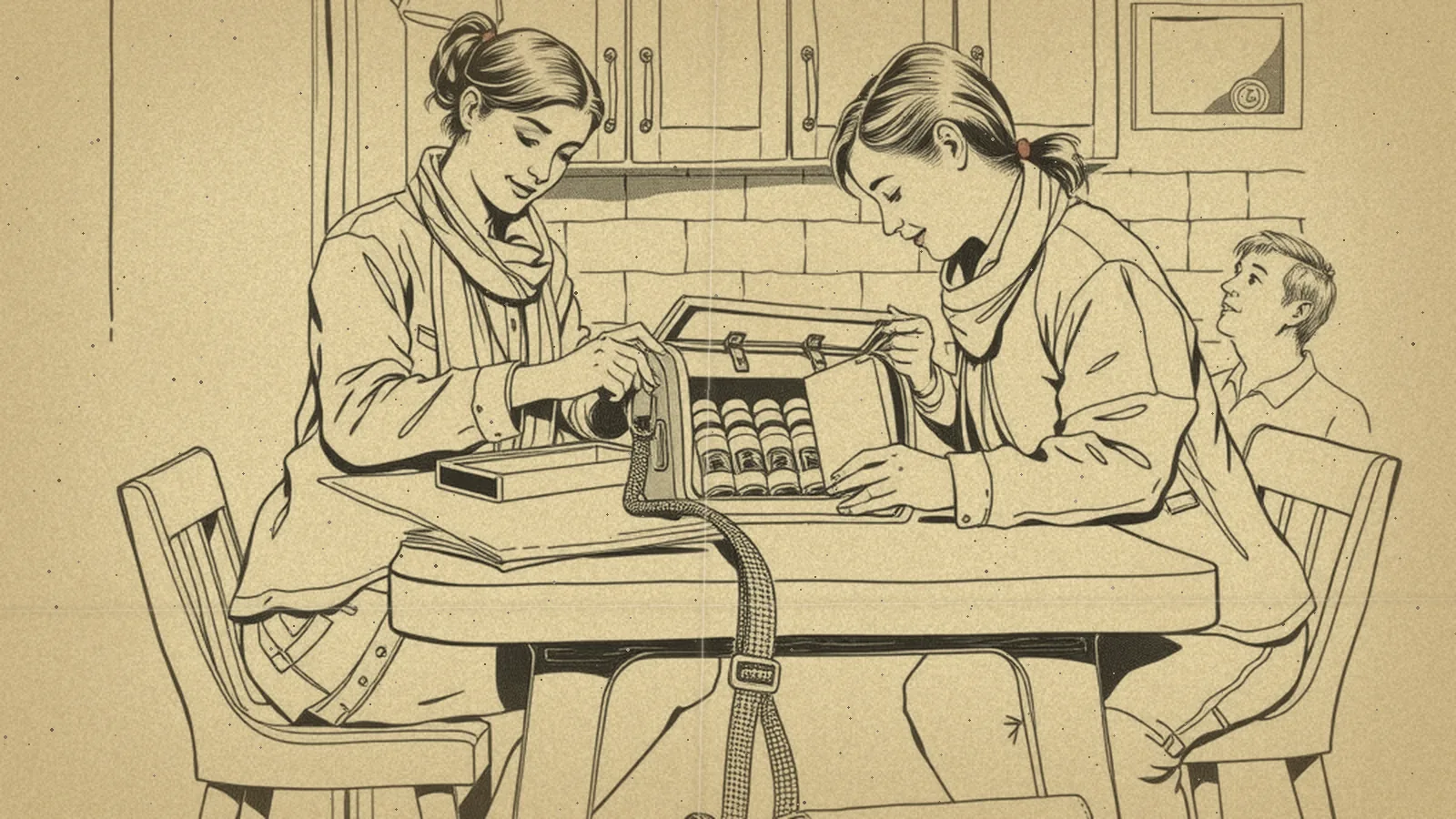
The best emergency supply of medication starts with a conversation, not a shopping trip: ask your doctor and pharmacist how to keep enough of each medicine on hand, then write down everything you take and keep that list with your kit. Plan for refrigerated medicines and medical supplies too, and know how you would get a refill if your usual pharmacy is closed. Your care team, not the internet, should decide the details for your medicines.
Storms, floods and wildfires can close pharmacies, block roads and send people to shelters with little notice. People who rely on daily medicines feel those gaps first. Planning ahead for those gaps is one of the most useful steps in our First Aid & Health section. Everything here is general information, not medical advice. We never give dosing advice here; that belongs to your doctor and pharmacist.
Start with a medication list
A clear list helps any pharmacist, shelter nurse or emergency doctor help you fast, even if your bottles are lost. Make one for each person in your household, including kids and pets.
Include:
- Name of each medicine, the strength and how you take it, copied exactly from the label
- What it's for
- Prescribing doctor and their phone number
- Your pharmacy's name and phone number
- Allergies, including to medicines, foods and latex
- Medical conditions and any implanted devices
- Medical supplies you use, such as test strips, syringes, inhalers, ostomy supplies or hearing aid batteries
- Insurance plan name and member number
Keep a paper copy in your go-bag, a copy in your wallet and a photo on your phone. Update it every time a prescription changes. If you help an older relative, keep a copy of their list too.
Talk with your doctor and pharmacist
Questions worth asking at your next appointment or pickup:
- Which of my medicines would cause the biggest problems if I ran out?
- Is it reasonable for me to keep a little extra of this medicine on hand, and how should I store it?
- Does this medicine need refrigeration, and what should I do if it gets warm?
- Can I fill this at another pharmacy in your chain or in another town if mine is closed?
- Is mail-order or a longer prescription period an option for me?
- What should I do if I have to evacuate without my medicine?
Write the answers on your medication list. Don't change your medicines, skip doses, split pills or try to stretch a supply on your own. If you are running low, call your pharmacist or doctor as early as you can.
Insurance and refills
Insurance rules often limit how early you can refill. Call the member number on your card and ask:
- Whether the plan allows early or emergency refills during a declared disaster
- Whether you can switch to a longer fill period for maintenance medicines
- How to fill a prescription out of state if you evacuate
Some states and plans relax refill rules during emergencies, but rules vary, so check yours rather than assuming.
Refrigerated medicines and medical devices
Insulin, some injectable medicines, certain eye drops and some liquid antibiotics need cool storage. Before an outage:
- Ask your pharmacist how long each one can stay at room temperature and what to do if it gets too warm or freezes.
- Keep an insulated cooler and reusable cold packs ready. Ask your pharmacist how to use them, since some medicines should not touch ice directly.
- If you rely on a powered device such as an oxygen concentrator, a CPAP or a powered wheelchair, talk with your equipment supplier about backup power. Our older adults' emergency kit guide has more on mobility and device planning.
- Ask your utility whether it keeps a list of customers who depend on medical equipment.
Never run a generator indoors to keep a fridge or device going. Our carbon monoxide guide explains why fuel-burning equipment belongs outside and what CO poisoning looks like.
A grab-and-go medication pouch
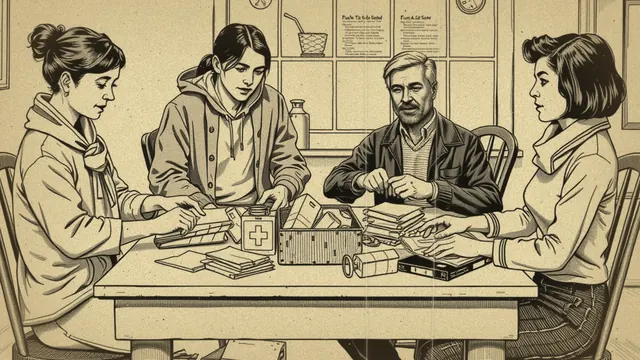
Put together one waterproof pouch per person today:
- Current medication list and allergy list
- The medicines your doctor and pharmacist agreed you can set aside, in their original labeled containers
- Supplies such as test strips, lancets, inhalers, spacers or an epinephrine auto-injector if prescribed
- Copies of prescriptions, if your doctor provides them
- Insurance card copy and pharmacy contact
- Glasses or a spare pair of contacts with solution
- Hearing aid batteries or a charger that works without wall power
Store it somewhere cool and dry, away from a hot car or a damp basement. Check expiration dates every time you check your kit, and swap items out before they expire.
Example: two households, two plans
A family of four in a second-floor apartment. One child has asthma and a severe nut allergy. The parents keep a pouch with the child's inhaler, spacer and prescribed epinephrine, plus a printed action plan from the pediatrician. A copy of the plan lives in the school backpack. Because nut-free food can be hard to find in shelters, they also plan their stored food around the allergy.
A retired man living alone in a rural area with diabetes and heart medicines. His pharmacist helped him set up mail-order delivery and a reminder to refill a week before he runs out. He keeps insulin in a small cooler setup he practiced with, and a neighbor knows where his medication list hangs on the fridge. His daughter, two states away, has a photo of the list.
Be careful with shortcuts
Some products online promise "survival medicine" stockpiles, or suggest using medicines sold for animals. Don't. Medicines not prescribed for you can cause serious harm, and only a clinician can match a medicine to an illness. Our guide to red flags in survival products covers health claims to question.
If someone has a reaction to a medicine or takes too much, call Poison Control at 1-800-222-1222, or call 911 if they are having trouble breathing, won't wake up or are having a seizure.
Related health planning
- Clean hands and safe toilets matter even more when someone is ill or managing a chronic condition, and our sanitation and hygiene guide shows how to keep that up without running water.
- Medicines that must be taken with food depend on having safe food after a flood or outage, which is what our food safety in emergencies guide covers.
- People planning around diabetes, allergies or infant formula can also look at our special diets and food storage guide.
Follow instructions from local emergency officials, including evacuation orders, and bring your medication pouch when you go. In any medical emergency, call 911.
Want a guided preparedness plan?
Some people like the structure of a paid guide. This button opens a third-party survival or preparedness program from one of our advertising partners. Its claims are its own, not ours, so weigh them against our red flags checklist.
See the partner program →We may be paid when you click. The program shown can change. Read its terms before you buy anything. How this works
Frequently asked questions
How do I get an extra supply of my prescription for emergencies?
Ask your doctor and pharmacist what makes sense for each medicine, then call your insurance plan to ask about early or emergency refills. Some medicines can be set aside more easily than others, and only your care team can tell you which.
What should I do if my refrigerated medicine gets warm in a power outage?
Call your pharmacist or the number on the medicine's packaging insert and ask before using it. Some medicines tolerate room temperature for a while and some do not, so don't guess.
Can I make my medicine last longer if I can't get a refill?
Do not skip doses, split pills or change how you take a medicine on your own. Contact your doctor, pharmacist or an emergency shelter's medical staff, and call 911 if you're having a medical emergency.