Coping After a Disaster: Taking Care of Your Mental Health

Coping after a disaster starts with knowing that strong reactions are normal: trouble sleeping, worry, sadness, irritability and feeling numb are common after a frightening event. Simple steps like rest, steady routines, staying connected and limiting news can help most people feel steadier over time. If you need to talk, SAMHSA's Disaster Distress Helpline is available by call or text at 1-800-985-5990.
Emergencies don't end when the wind stops or the water goes down. Cleanup, insurance calls, lost belongings and disrupted routines can wear on people for weeks. Mental health belongs in our First Aid & Health section because caring for your mind is part of caring for your household, not something extra.
Common reactions after a disaster
There is no single right way to feel. People often notice:
- Body: headaches, stomach upset, tiredness, changes in appetite, trouble sleeping
- Feelings: fear, sadness, anger, guilt, numbness, feeling on edge
- Thoughts: replaying what happened, trouble concentrating, worrying it will happen again
- Behavior: pulling away from others, being easily startled, snapping at family, avoiding reminders
For many people these reactions ease as life settles. For others they linger, or show up weeks later when the busy part is over. Both patterns are common, and neither is a sign of weakness.
Steps that help, starting today
You don't have to do all of these. Pick two or three that feel doable.
- Get basic needs met first. Eat regular meals, drink water and rest when you can. Stress hits harder when you're hungry and exhausted.
- Bring back small routines. Regular wake-up times, family meals or a short evening walk give the day a shape.
- Limit news and social media. Check for updates from official sources at set times, then turn it off.
- Stay connected. Call a friend, sit with a neighbor or join a community cleanup. Connection is one of the best supports there is.
- Move your body. A walk, stretching or yard work can ease tension.
- Break big tasks into small ones. Write one list for today and let the rest wait.
- Be careful with alcohol and other substances. They can make sleep and mood worse.
- Accept help. Letting people bring a meal or watch the kids is not a burden on them.
Sleep after a disaster
Sleep is often the first thing to go. Some gentle habits:
- Keep a regular bedtime, even if you're staying with relatives or in a shelter
- Use earplugs, an eye mask or a familiar blanket to make a strange space feel safer
- Put your phone away for a while before bed
- Write down worries and tomorrow's tasks so your mind can let go of them
If sleep problems last or you feel unsafe at night, talk with a doctor.
Helping children cope
Kids take cues from the adults around them. They don't need you to be fearless, just steady.
| Age | What you might see | What helps |
|---|---|---|
| Toddlers and preschoolers | Clinginess, bedwetting, tantrums, fear of the dark | Extra hugs, a night-light, familiar toys, simple reassurance |
| School-age kids | Questions, worries, trouble at school, stomachaches | Honest, simple answers; drawing or play; keeping school routines |
| Teens | Withdrawal, irritability, risky behavior, acting like they don't care | Time to talk without pressure, a role in recovery tasks, time with friends |
Tell children what's happening in words they can understand, and remind them of the adults working to keep them safe. Limit how often they see news footage of the event. A pediatrician or school counselor can help if worries last.
Returning to a damaged home
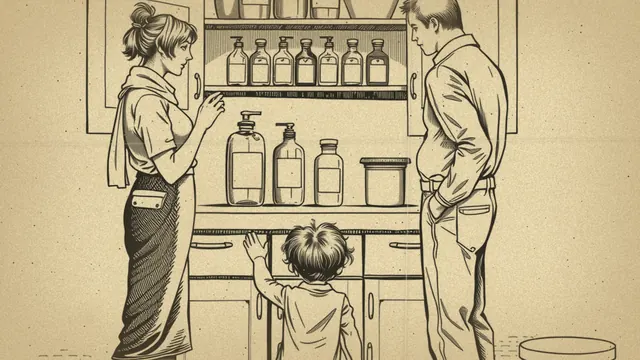
Seeing a flooded living room or a smoke-stained bedroom for the first time can stir up feelings all over again. A few things make that day easier:
- Bring a friend or relative, and decide ahead of time who will make phone calls and who will take photos
- Go in daylight, and follow any safety instructions from local officials before entering
- Set a time limit for the first visit, then take a break somewhere calm
- Let kids help with a small, safe job, like sorting toys or carrying water, if they want to
It's okay to grieve things that can't be replaced, from family photos to a garden you spent years building.
Who else might need extra support
- Older adults, especially those living alone or who had to leave a long-time home
- People with disabilities or chronic illness, whose care routines may be disrupted
- First responders and volunteers, who see hard things up close
- Anyone with past trauma, since a new event can stir up old feelings
- People who lost a loved one, a pet or a home, who may be grieving on top of everything else
Checking in on a neighbor is simple and meaningful. Ask how they're doing, listen more than you talk and help connect them to resources.
Where to get support
- SAMHSA's Disaster Distress Helpline: call or text 1-800-985-5990 for free, confidential support related to any disaster
- 988 Suicide & Crisis Lifeline: call or text 988
- Your doctor, who can screen for depression, anxiety or sleep problems and refer you
- A licensed therapist or counselor. If stress, sadness or fear stays intense or gets in the way of daily life, a licensed therapist can help
- Local disaster recovery centers, faith groups and community organizations, which often offer support groups
If you're weighing a paid course or coaching program on resilience, our guide to choosing a preparedness program explains what to look for.
Building calm before the next emergency
Many people find that preparing ahead brings a sense of control. Having water, food and a plan ready means fewer decisions under pressure. Our guide to the prepper mindset is about calm readiness rather than fear, and about practicing skills instead of chasing headlines.
Related health guides
- After a flood, cleanup chemicals and fuel can add to stress and health risks, and our poison and toxic exposure guide explains when to call Poison Control.
- Knowing what to do when someone is hurt builds confidence, so our basic first aid skills guide is a good next step.
- Sorting spoiled food after a disaster can feel overwhelming, and our food safety in emergencies guide makes those choices clearer.
This page is general information, not medical or mental health advice.
Want a guided preparedness plan?
Some people like the structure of a paid guide. This button opens a third-party survival or preparedness program from one of our advertising partners. Its claims are its own, not ours, so weigh them against our red flags checklist.
See the partner program →We may be paid when you click. The program shown can change. Read its terms before you buy anything. How this works
Frequently asked questions
Is it normal to feel anxious or numb after a disaster?
Yes. Trouble sleeping, irritability, sadness, numbness and racing thoughts are common reactions after a frightening event, and for many people they ease with time, rest and support. If they stay intense or get in the way of daily life, a licensed therapist can help.
Who can I talk to after a disaster?
SAMHSA's Disaster Distress Helpline offers free, confidential support: call or text 1-800-985-5990. If you're in crisis in the US, call or text 988 (Suicide & Crisis Lifeline).
How can I help my child cope after a disaster?
Keep routines as steady as you can, answer questions honestly in simple words, and limit replays of news coverage. Let kids share their feelings through talking, drawing or play, and reach out to a pediatrician or school counselor if worries last.