Signs of Hypothermia and Frostbite, and How to Help Safely
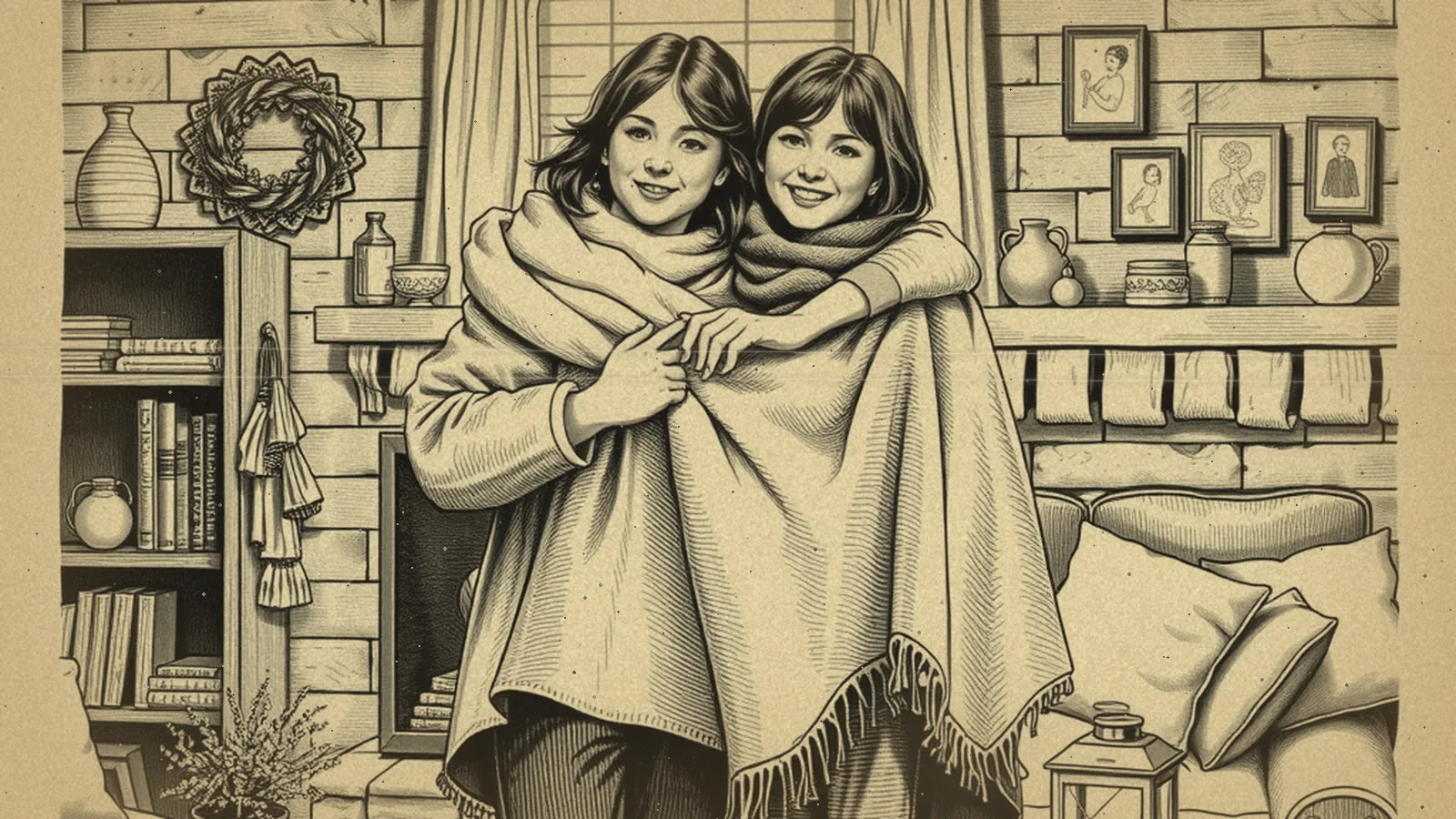
The signs of hypothermia include shivering, exhaustion, confusion, fumbling hands, slurred speech, memory loss and drowsiness. Babies may have bright red, cold skin and very low energy. If someone shows these signs, get them somewhere warm, remove wet clothing and warm the center of the body first. Severe hypothermia is a medical emergency: call 911 if the person is very confused, very drowsy, has stopped shivering or won't respond normally.
Cold injuries are a real risk during winter storms and long outages, and they're one of the health problems our First Aid & Health section helps you prepare for. This page follows general guidance from the CDC and the Red Cross, but it isn't medical advice. A hands-on first aid class covers cold emergencies in more depth.
How hypothermia happens
Hypothermia happens when the body loses heat faster than it can make it. It doesn't take extreme cold. Being wet, windy, tired or hungry speeds it up. Indoors, a home without heat for a few days can be enough for someone who is older, very young, ill, or who takes medicine that affects body temperature.
People most at risk include:
- Older adults, especially those living alone
- Babies sleeping in cold rooms
- People with diabetes, thyroid conditions or limited mobility
- Anyone who has been drinking alcohol
- People who work or travel outdoors in winter
- Anyone who got soaked in rain, snow or floodwater
Signs to watch for
| Stage | What you might see |
|---|---|
| Early | Shivering, cold hands, clumsiness, tiredness, irritability |
| Getting worse | Confusion, fumbling, slurred speech, memory trouble, drowsiness |
| Severe | Shivering slows or stops, very slow breathing, not responding normally |
| Babies | Bright red, cold skin and very low energy |
A person with hypothermia often doesn't notice their own confusion. That's why it helps when everyone in a household checks on one another.
What to do for hypothermia
- Call 911 if the person shows signs of severe hypothermia or you're unsure.
- Move them somewhere warmer, out of wind and wet.
- Remove wet clothing and replace it with dry layers.
- Warm the center of the body first: chest, neck, head and groin. Use dry blankets, layers of clothing, towels or sheets. Skin-to-skin contact under loose, dry layers can also help.
- Offer warm, sweet drinks that aren't alcoholic, but only if the person is alert and can swallow easily.
- Keep them wrapped and dry, including the head and neck, even once they feel warmer.
- Get medical care. Even someone who seems better should be checked.
If the person stops responding and isn't breathing normally, call 911 and begin CPR as described in our CPR basics guide.
Frostbite: signs and care
Frostbite is skin and tissue that freezes, most often on fingers, toes, ears, cheeks and the nose. Early on, the skin may look red and feel painful. As it worsens, it can look white or grayish-yellow, feel unusually firm or waxy, and go numb.
What to do:
- Get the person to a warm place as soon as you can.
- Check for hypothermia too; it comes first if both are present.
- Don't walk on frostbitten feet or toes if you can avoid it.
- Warm the area gently with warm (not hot) water or body heat, such as tucking fingers into an armpit.
- Don't rub or massage the area, and don't use a heating pad, fireplace, stove or radiator. Numb skin can burn without the person feeling it.
- If there's a chance the area could freeze again before you reach shelter, wait to rewarm it.
- Get medical care.
Rewarmed frostbite can blister and hurt much like a burn. Our treating burns guide explains why you shouldn't pop blisters, and the same caution applies here.
Staying warm safely during an outage
Preventing cold injury is easier than treating it. The staying warm without power guide covers layering, choosing one warm room and safe heater use in depth. A few key safety points:
- Never use a gas stove or oven to heat your home.
- Never bring a grill, camp stove or generator indoors, even into a garage. These produce carbon monoxide, an invisible, odorless gas that can make people seriously ill. Our carbon monoxide poisoning guide explains the symptoms and why battery-powered alarms matter.
- Be cautious with gadgets that promise to keep a whole family warm through anything. Our guide to product red flags explains how to judge claims like that.
A household example
Consider an older adult who lives alone in a small house and uses a walker, during a three-day winter outage. A plan built ahead of time might include:
- A neighbor who knocks twice a day and knows the signs above
- Thermal underwear, a hat and wool socks within reach of the bed
- Extra blankets and a sleeping bag in the living room
- A battery radio and charged phone to hear about warming centers
- A note on the fridge with a family member's number and a list of medications
- A plan for getting to a warming center or a relative's home if officials recommend it
Pets need attention too. Bring them indoors and give them extra bedding.
The same neighbor-check habit works in summer. Many of the people most at risk from cold, like older adults and babies, are also most at risk in a heat wave, so our heat illness guide is a natural companion to this one.
Do this today
- Put hats, gloves and dry socks in your car and your go-bag.
- Pick the room you'd use as a warm room during an outage.
- Test your carbon monoxide alarms and replace batteries.
- Make a list of neighbors and relatives who might need a check-in during a cold snap.
- Look up where your community opens warming centers, and follow local officials' instructions during storms.
Winter outages are uncomfortable, but with dry layers, a warm room and people checking on one another, most households get through them safely.
Want a guided preparedness plan?
Some people like the structure of a paid guide. This button opens a third-party survival or preparedness program from one of our advertising partners. Its claims are its own, not ours, so weigh them against our red flags checklist.
See the partner program →We may be paid when you click. The program shown can change. Read its terms before you buy anything. How this works
Frequently asked questions
What are the first signs of hypothermia?
Early signs include shivering, tiredness, fumbling hands and confusion. As it gets worse, a person may slur their words, become very drowsy or stop shivering, which is a sign to call 911 right away.
Should you rub frostbitten skin to warm it?
No. Rubbing can damage frozen tissue. Get the person somewhere warm, remove wet clothing, and warm the area gently, then get medical care.
Can you get hypothermia indoors?
Yes. Older adults, babies and people with some health conditions can become dangerously cold inside a home without heat, especially over several days. Check on them often during winter outages.