Hurricane Preparedness: A Checklist From Season Start to Landfall
Hurricane preparedness means getting ready before the season and acting step by step as a storm approaches. Learn your evacuation zone, stock water and food, protect your windows and important papers, and keep a go-bag ready. When a storm is forecast, follow local officials: leave if your zone is ordered to evacuate, and shelter at home only if they say that's appropriate.
Hurricanes are one of the main hazards covered in our Disaster Planning section, and they give something many disasters don't: days of warning. That warning time is your biggest advantage, and this checklist helps you use it well.
Before the season starts
Do these during a calm stretch, ideally before the season begins.
- Find your evacuation zone. Search your county emergency management site and write the zone name on your household plan.
- Pick your destination. Choose a friend's home, family member's home or hotel inland, plus a backup.
- Review insurance. Standard homeowner's and renter's policies often don't cover flood damage. Ask your agent what you have and whether flood coverage makes sense.
- Store water. Ready.gov recommends at least one gallon per person per day, and a two-week supply at home if possible.
- Stock food. Build up shelf-stable meals your household actually eats.
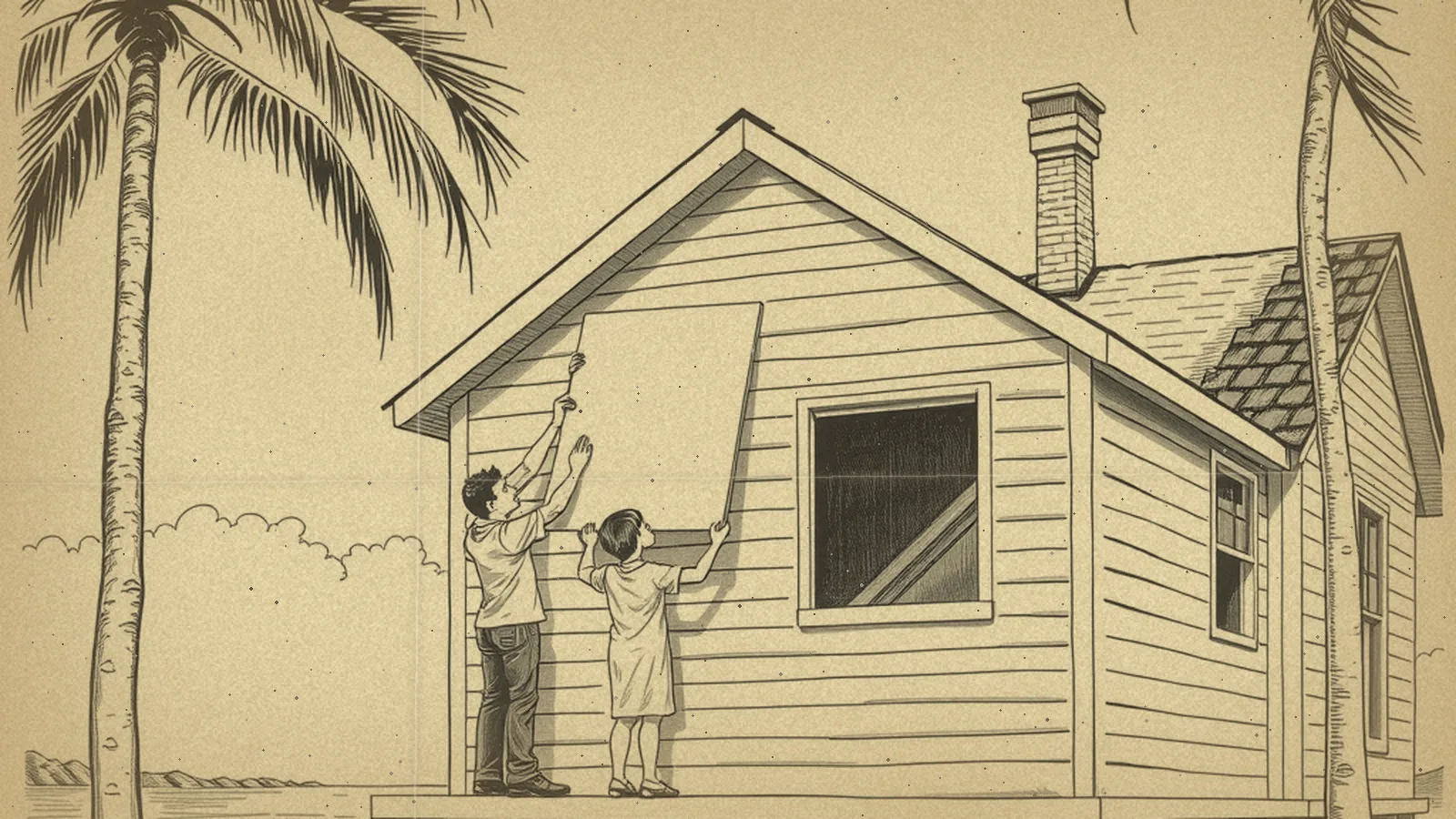
- Check window protection. Know how you'd cover windows, whether with shutters or pre-cut plywood, and practice putting them up.
- Trim trees. Remove dead branches that could fall on your home.
- Make a documents bag. Put copies of IDs, insurance, deeds or leases and medical lists in a waterproof bag.
- Plan for pets and medical needs. Line up pet-friendly lodging and talk to your doctor about extra medication.
Filling and storing water well matters as much as the amount. Our guide on how to store water long term covers containers, treating, labeling and where to keep it so it's ready when a storm is on the way.
When a storm is forecast: the 72 hours before landfall
Forecasts change, so treat this as a flexible timeline. Follow the advice of local officials and the National Weather Service as it updates.
About three days out
- Check your go-bags and refill medications.
- Fill your gas tank and get some cash.
- Charge power banks and phones.
- Review your evacuation plan routes and confirm your destination.
- Bring in or tie down outdoor furniture, grills and toys.
- Check on neighbors who may need help getting ready.
About two days out
- Put up shutters or window coverings if officials recommend it.
- Move valuables and documents to a higher spot.
- Fill clean containers with extra water for drinking.
- Set your fridge and freezer to their coldest settings.
- If you're in an evacuation zone, a mobile home or have medical needs, plan to leave as soon as officials advise.
About one day out
- Leave right away if your zone is ordered to evacuate.
- If you're staying, set up your shelter room and supply box.
- Freeze containers of water to help keep food cold.
- Keep a radio and phone on for updates.
During the storm
- Stay inside and away from windows.
- Shelter in an interior room on the lowest floor that isn't at risk of flooding.
- Don't go out during the calm eye of the storm; the wind returns.
- Text your out-of-area contact with updates.
Sheltering at home during a storm works best with a plan already in place. The shelter in place guide covers choosing the room and stocking a supply box.
Hurricane supply checklist
| Category | Items |
|---|---|
| Water | At least one gallon per person per day, plus pets |
| Food | Ready-to-eat items, manual can opener |
| Light and power | Flashlights, extra batteries, power banks |
| Information | Battery-powered or hand-crank radio, ideally a NOAA Weather Radio |
| Health | First aid kit, medications, glasses, hearing aids |
| Home | Plastic sheeting, duct tape, a wrench or pliers for utilities |
| Hygiene | Moist towelettes, garbage bags, toilet paper |
| Papers | Copies of IDs, insurance and medical info in a waterproof bag |
| Kids and pets | Comfort items, carriers, food, records |
After the storm
Recovery can be risky, so take it slowly.
- Wait for the all-clear from local officials before going outside or driving home.
- Stay out of floodwater. The National Weather Service's "Turn Around, Don't Drown" message applies; moving water can knock people down and sweep vehicles away. Our flood preparedness guide explains this in depth.
- Use generators outdoors only, at least 20 feet from windows, doors and vents, and never in a garage. See generator safety for more.
- Check your food. A closed fridge keeps food safe for about 4 hours without power. Our guide on food safety during a power outage explains what to keep and what to toss.
- Document damage with photos before cleaning up, and contact your insurance company.
How different households prepare
A coastal family with two kids and a dog: They live in an evacuation zone, so their plan is to leave early for a relative's home inland. The car is packed two days out, and the dog's crate rides in the back.
A renter in an inland apartment: Officials usually tell their area to stay home. They keep two weeks of water and food, a radio and a power bank, and they know their building's interior hallway is the safest spot.
An older couple with a medical device: They registered with their utility's medical program, keep a battery backup charged and plan to leave as soon as officials advise people to prepare.
Watch out for storm-season sales pressure
Before a big storm, ads for "hurricane survival systems" can spike. You don't need a special package. Our guide to choosing a program helps you judge paid courses and products calmly.
Other hazards to plan for
Many coastal areas face more than one risk. If you live in the West, the wildfire preparedness guide covers a different kind of fast-moving emergency with its own go-early approach. The earthquake preparedness guide covers a hazard with no warning at all, which makes a useful contrast to planning for storms.
Your hurricane to-do list for this week
- Look up and write down your evacuation zone.
- Choose two destinations.
- Call your insurance agent about flood coverage.
- Start a water supply and a shelf of food.
- Put copies of documents in a waterproof bag.
- Decide how you'll cover windows.
Prepared households still face hard days during a hurricane. A plan gives you time, choices and a little more calm when the forecast cone points your way.
Want a guided preparedness plan?
Some people like the structure of a paid guide. This button opens a third-party survival or preparedness program from one of our advertising partners. Its claims are its own, not ours, so weigh them against our red flags checklist.
See the partner program →We may be paid when you click. The program shown can change. Read its terms before you buy anything. How this works
Frequently asked questions
When should I start preparing for hurricane season?
Before the season starts, while stores are calm and you have time. Learn your evacuation zone, review your insurance, stock water and food, and check your home's shutters or window coverings. Then you only need to top off supplies when a storm is forecast.
Should I evacuate for a hurricane?
Follow your local officials. If they order your zone to evacuate, leave. Many people outside evacuation zones are told to shelter at home, but anyone in a mobile home, a flood-prone area or with medical needs should plan to leave early when officials advise it.
What should I do right after a hurricane passes?
Stay inside until officials say it's safe. Then watch for downed power lines, flooded roads and gas smells, keep generators outdoors and away from windows, and check on neighbors. Don't drive or walk through floodwater.