Free Emergency Preparedness Resources

The best free emergency preparedness resources are Ready.gov, your local emergency management office, the Red Cross, FEMA's Community Emergency Response Team (CERT) program, the National Weather Service and NOAA Weather Radio, and your county's cooperative extension office. Together they cover planning, kits, alerts, first aid, food preservation and volunteer training, all without a sales page. Most households can get well prepared using only these.
This list belongs to our choosing a program section, where we help readers tell useful preparedness help from fear marketing.
Why start with free resources
Free public resources share a few traits that matter. They are written for the emergencies people actually face, they are checked by agencies responsible for public safety, and they don't need to frighten you to make a sale. They also tend to be local, which matters because a family in a wildfire area needs a different plan than a family on the Gulf Coast.
Starting free also helps you shop wisely later. Once you know the basics, you can spot a paid course that adds real value and skip one that repeats what you already know. Our guide to whether survival courses are worth it explains how to decide once you've covered the essentials.
Government and official sources
| Resource | What it offers | Good for |
|---|---|---|
| Ready.gov | Plan, kit and stay-informed guidance from FEMA, with checklists by hazard | Anyone starting out |
| Local emergency management office | Hazards in your area, evacuation zones, shelters, local alert sign-ups | Everyone |
| National Weather Service | Forecasts, watches and warnings | Daily weather awareness |
| NOAA Weather Radio | National Weather Service warnings broadcast 24 hours a day | Households in storm-prone areas |
| Wireless Emergency Alerts | Alerts sent to phones by authorized officials | Most phone users, usually automatic |
| CDC | Health and safety guidance, including carbon monoxide and water safety | Health questions |
| DisasterAssistance.gov | Applications for federal aid after a declared disaster | Recovery |
Ready.gov's core advice is simple: make a family plan, build a kit, and stay informed. Our 72-hour kit guide walks through its basic kit list item by item, and our guide to the emergency radio explains what features matter for weather alerts.
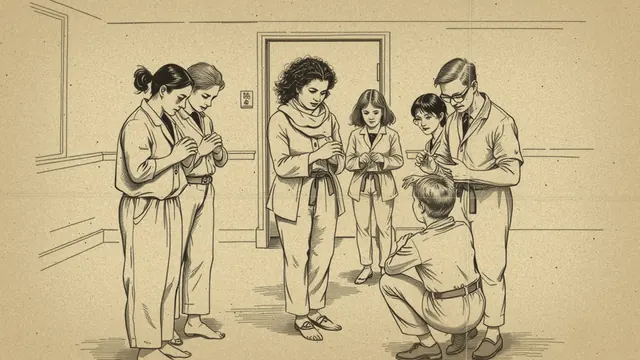
Classes and hands-on training
Some skills only stick when you practice them with an instructor. Look for these in your area:
- First aid and CPR classes. The Red Cross and the American Heart Association offer courses in many communities. Costs vary, and some employers, schools and community groups offer them free. Our guide to CPR basics explains hands-only CPR and why a class matters.
- Stop the Bleed. This national campaign teaches bystanders how to control serious bleeding, and free and low-cost classes are offered in many communities. Learn more in our Stop the Bleed guide.
- CERT training. FEMA's Community Emergency Response Team program trains volunteers in basic disaster response skills. It's a good fit if you want to help your neighborhood as well as your household.
- Earthquake and wildfire drills. The Great ShakeOut promotes practicing Drop, Cover, and Hold On, and fire departments in many areas run "Ready, Set, Go!" wildfire programs.
Community and local resources
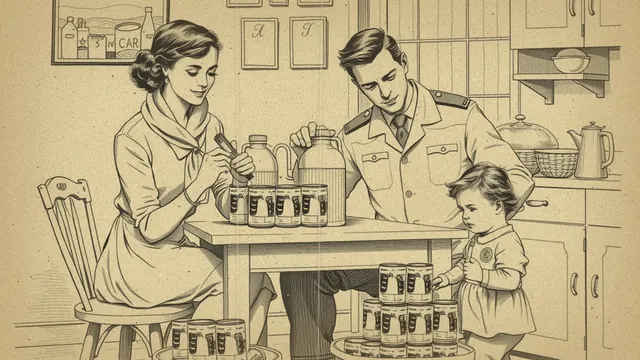
Cooperative extension offices. Often connected to a state university, extension offices answer questions on gardening, food preservation, canning and food safety for your region. They are a strong free source for tested canning methods and help with a backyard garden.
Public libraries. Libraries carry books on gardening, food storage, first aid and outdoor skills, and many host free community classes. Some also serve as cooling or warming centers during extreme weather.
Utility companies. Many utilities let customers sign up for outage alerts, and some keep a registry for households that rely on powered medical equipment. Call yours to ask what they offer.
Neighbors and community groups. Neighborhood associations, faith groups, tenant groups and mutual aid networks often organize check-ins during outages and storms. Our guide to community preparedness shows how to connect with neighbors and why a group is often better prepared than any one household.
A free starter plan for this week
Here is a sample plan for a household of three in a second-floor apartment, with one adult who uses a wheelchair and a cat. Every step costs nothing:
- Monday: Look up your county's emergency management website. Note your local hazards and sign up for local alerts.
- Tuesday: Check that Wireless Emergency Alerts are turned on in each phone's settings.
- Wednesday: Read Ready.gov's family plan guidance. Choose a meeting place and an out-of-area contact, and write them on a card for each person.
- Thursday: Ask your building manager about evacuation plans and whether there's a plan for residents who can't use the stairs.
- Friday: Call your utility and ask about outage alerts and medical registration if needed.
- Saturday: Search for a CPR, first aid or Stop the Bleed class near you and put one on the calendar.
- Sunday: Walk through your home and gather what you already own for a kit: flashlights, batteries, a first aid kit, a can opener and the cat's carrier.
Adjust the steps for your own household. A rural family on a well might call the county health department instead of a building manager. A family with young children might ask about the school's emergency plan.
How to spot "free" that isn't
Not everything labeled free is a public resource. Watch for free ebooks, webinars or "survival reports" that lead into a paid course, a free gadget where you "just pay shipping" and get signed up for a monthly charge, or a free video that turns out to be a long ad full of predictions. Our guide to red flags explains these tactics and others to watch for, so you can tell a real public resource from a sales funnel.
A good rule: official public resources usually come from a government agency, a public university, a fire department or a long-standing nonprofit, and they don't ask for payment details.
Next steps
If you're brand new, our guide to prepping for beginners puts these resources in a calm, simple order. Pick one item from the list above, do it today, and add another next week.
Want a guided preparedness plan?
Some people like the structure of a paid guide. This button opens a third-party survival or preparedness program from one of our advertising partners. Its claims are its own, not ours, so weigh them against our red flags checklist.
See the partner program →We may be paid when you click. The program shown can change. Read its terms before you buy anything. How this works
Frequently asked questions
Where can I learn emergency preparedness for free?
Start with Ready.gov, your county or city emergency management office, and your local Red Cross chapter. FEMA's CERT program trains volunteers in basic disaster response, and Stop the Bleed classes are offered free or at low cost in many communities.
Is CERT training free?
CERT is a FEMA program usually run by local agencies such as fire departments or emergency management offices, and many local programs offer the training to volunteers at no cost. Check with your local program for details.
How do I get emergency alerts on my phone?
Wireless Emergency Alerts are sent to most phones by authorized officials and usually need no sign-up. Many counties also run their own text or email alert systems, so check your local emergency management website.