Get-Home Bag: What to Keep at Work So You Can Get Home
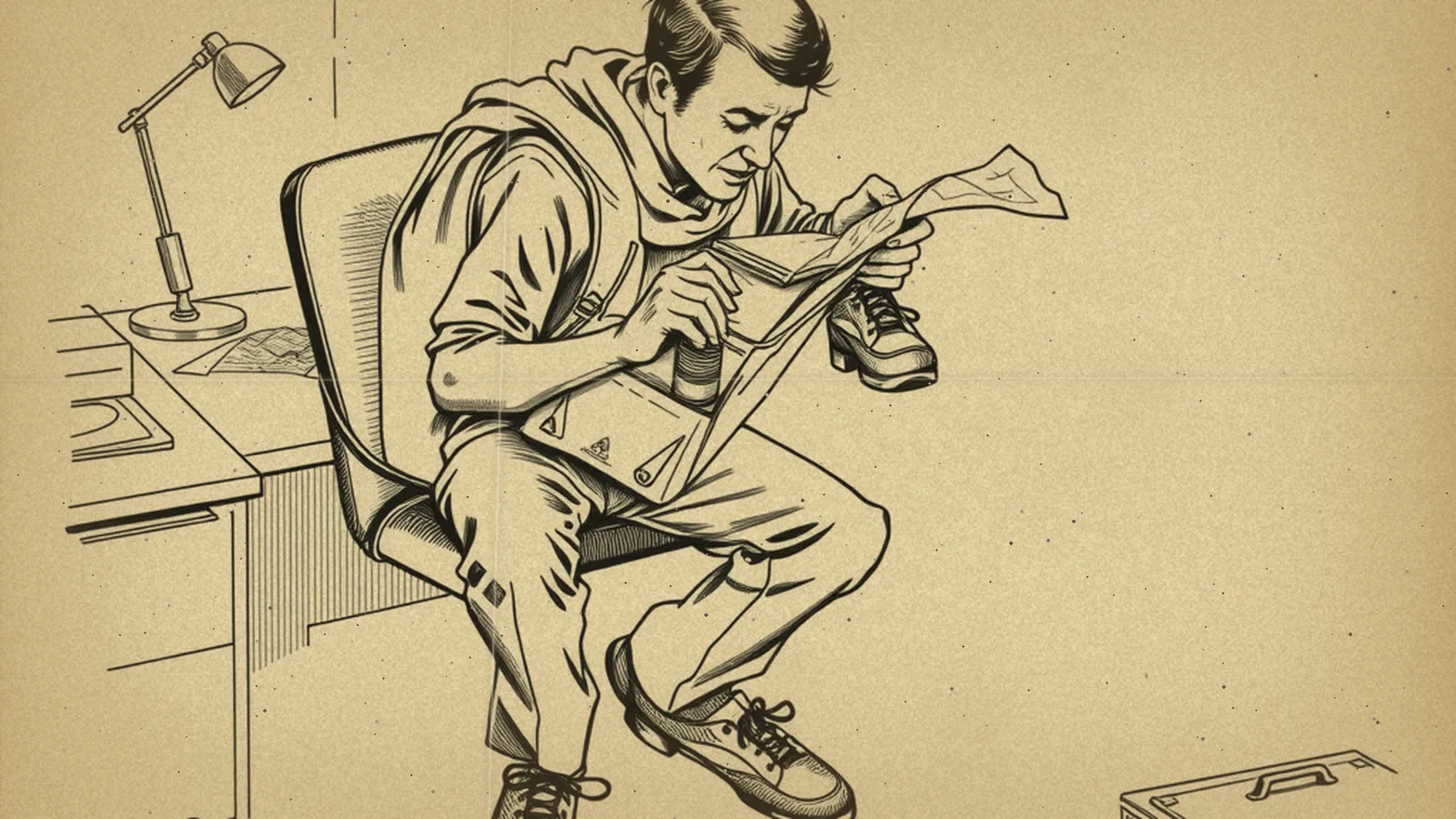
A get-home bag is a small kit you keep at work, school or in your car so you can get back to your household if an emergency stops roads, trains or buses. It usually holds walking shoes, water, snacks, a light, a phone charger, a paper map and a rain layer. It is lighter than an evacuation bag because the job is shorter: reach home, or wait safely until you can.
Of all the kits in our Emergency Kits section, this is the one people most often skip, because most emergencies don't start while we're home. Many of us spend the workday miles away from family, and that gap is exactly what this bag is for.
When a get-home bag helps
Picture a few ordinary situations:
- A winter storm arrives faster than forecast, highways close and buses stop running.
- A regional power outage shuts down traffic lights and the train line.
- An earthquake or flood damages a bridge on your usual route.
- You simply get stuck late at work and need to spend the night.
In each case, the bag gives you enough comfort to make good decisions instead of rushed ones. Sometimes that means walking home. Often it means staying put for a while.
Stay or go: decide calmly
A get-home bag is not a reason to set out no matter what. Before you leave, check official alerts and the news. Follow instructions from local emergency officials; if they ask people to shelter in place or stay off the roads, do that. Text your household so they know your plan. Never walk or drive through flooded roads; the National Weather Service puts it simply: "Turn Around, Don't Drown." Our flood preparedness guide explains why.
It helps to agree on this ahead of time. Our guide to an emergency communication plan covers out-of-area contacts, texting instead of calling and wallet cards, so everyone knows what to do if phones are slow and you're apart.
The get-home bag checklist
Keep it to a bag you'd be willing to carry on a long walk.
For walking
- Comfortable, broken-in shoes or sneakers
- Two pairs of thick socks
- Blister bandages
- A rain jacket or poncho
- A warm layer and a hat, swapped for a sun hat in summer
- Work gloves
For energy and water
- Two or three bottles of water
- High-energy snacks: nuts, granola bars, dried fruit, peanut butter crackers
- A refillable bottle
For staying in touch and finding your way
- A charged power bank and charging cable
- A small flashlight or headlamp with spare batteries
- A paper map with two or three routes home highlighted
- A written list of key phone numbers
- A whistle
For health and comfort
- A small first aid pouch
- A few days of any daily medications, if your doctor and pharmacist agree that's workable
- Spare glasses or contacts
- Hand sanitizer, tissues and lip balm
- A dust mask
- An emergency blanket
For everything else
- Cash in small bills
- A copy of your ID
- A multi-tool
- A small notebook and pen
The first aid pouch can be modest, but stock it thoughtfully. Our first aid kit checklist shows how to scale a full kit down to a pocket-size version for a bag like this one.
Plan your routes before you need them
A bag is only half the job. The other half is knowing how you'd get home.
- Print a map. Phones may be slow or dead. Mark your usual route and at least one backup that avoids bridges, tunnels or low areas that flood.
- Walk part of it. On a nice day, walk a section of the route. You'll notice hills, missing sidewalks and good places to rest, like libraries or community centers.
- Know your halfway points. Pick a friend's home, a place of worship or a store along the way where you could rest or wait.
- Think about distance. If home is too far to walk in one day, plan to shelter at work or at a halfway point instead.
- Share the plan. Tell your household which route you'd take, so they know where to look for you.
Examples for different people
- A warehouse worker who takes two buses keeps her bag in her locker, with sneakers, a rain shell and a printed bus and walking map.
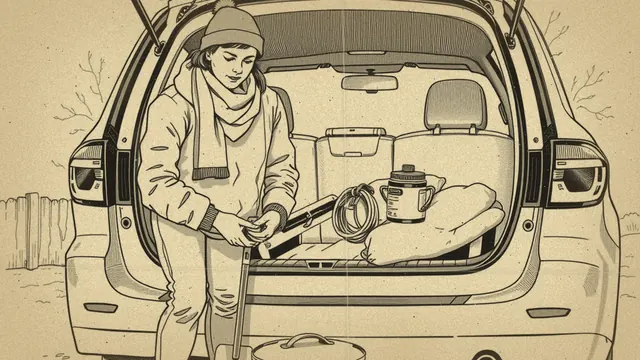
- A teacher who drives 40 minutes keeps his get-home bag in the trunk next to his car kit, since that is where it's most likely to be useful.
- A college student in a dorm keeps a mini version under the bed: water, snacks, a charger, a flashlight and a card with a parent's and roommate's numbers.
- A remote worker who visits the office once a week keeps the bag by the front door and grabs it on office days.
If you decide to stay put
Waiting at work or school is often the wiser choice, especially at night or in bad weather. Ask your workplace whether it has an emergency plan and where people would gather. A few small items make an overnight stay far more comfortable: a toothbrush, a spare shirt, earplugs, a sleep mask and a paperback book. Check in with your household by text, which tends to get through when calls don't, and agree on a time to check in again. Sharing snacks or a phone charger with a coworker who has nothing is a good way to look after each other until roads reopen.
Where to keep it
Under your desk, in a locker or in your car trunk all work. If you commute by car, your car emergency kit can handle bulky items like extra water and blankets, while the get-home bag stays small enough to carry if you must leave the car. Check it twice a year and swap clothing for the season.
How it differs from an evacuation bag
The bug-out bag lives at home and supports leaving your area for several days. The get-home bag lives where you spend your day and supports one trip back. Some items overlap, but you don't need to duplicate everything.
A note before you buy
You can build this bag almost entirely from things you already own. If you see pre-made "survival" bags sold with fear and countdown timers, our guide to choosing a preparedness program or product explains what's worth paying for.
No bag guarantees safety, but this one gives you options. In an emergency, call 911.
Want a guided preparedness plan?
Some people like the structure of a paid guide. This button opens a third-party survival or preparedness program from one of our advertising partners. Its claims are its own, not ours, so weigh them against our red flags checklist.
See the partner program →We may be paid when you click. The program shown can change. Read its terms before you buy anything. How this works
Frequently asked questions
What is the difference between a get-home bag and a bug-out bag?
A get-home bag is a small kit you keep at work, school or in the car to help you get back home. A bug-out bag is a larger bag you keep at home so you can leave during an evacuation.
What should be in a get-home bag?
Comfortable walking shoes, socks, water, snacks, a flashlight or headlamp, a phone charger, a paper map with your route marked, a rain layer, basic first aid supplies, any daily medications and some cash.
Should I walk home during an emergency?
Only if it is safe and officials are not telling people to stay put. Sometimes the safest choice is to shelter where you are and wait, so check alerts, follow instructions from local emergency officials and stay in touch with your household.