Emergency Preparedness for Seniors: A Kit and a Circle of Support
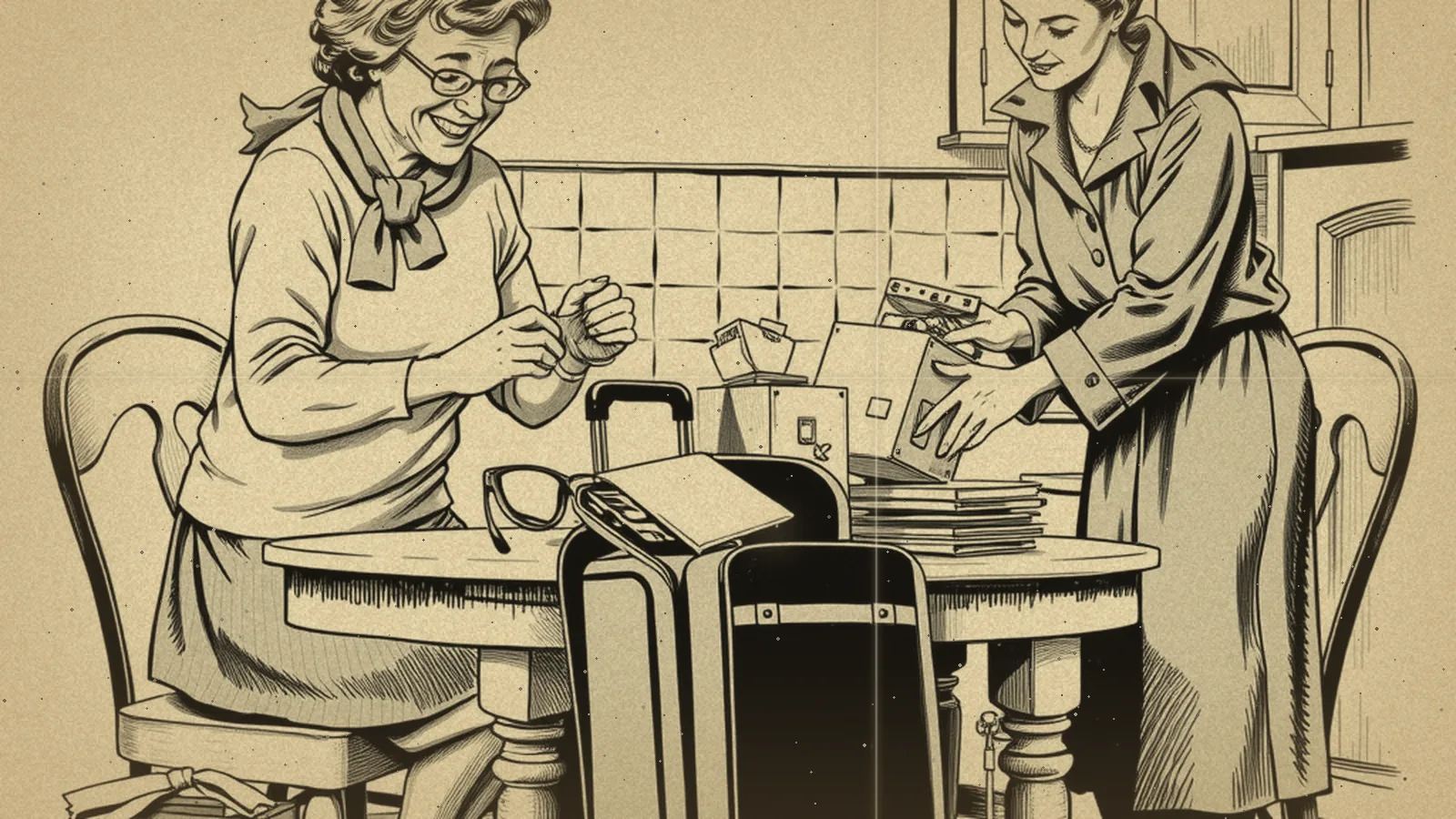
Emergency preparedness for seniors comes down to three things: a kit that includes your medications and the aids you use every day, a plan for power and mobility, and a few people who have agreed to check on you. Older adults are often among the most organized people in a household, and many have already lived through storms and outages. A little planning puts that experience to work.
You'll find guides for every kind of kit in our Emergency Kits section. The full Ready.gov basic list (water, food, radio, flashlight, first aid and more) is on the 72-hour kit page. Build that first, then add what's below.
Your personal additions checklist
Everyone's needs are different. Go through this list and keep what applies.
Health and medicine
- A written list of every prescription and over-the-counter medicine, with the dose your doctor prescribed, the prescriber and the pharmacy phone number
- A supply of your medicines, stored as the label directs
- A plan for medicines that need refrigeration, such as a small insulated cooler and a list of what to do if power is out
- Medical supplies you use daily: glucose testing supplies, compression stockings, ostomy or incontinence supplies
- A copy of insurance and Medicare or Medicaid cards
- Names and numbers of your doctors and specialists
How much medicine to keep, and how to store it safely, is a question for your doctor and pharmacist, not a website. Our guide to medications in emergencies has questions to bring to that conversation, including how early refills and refrigerated medicines work.
Seeing, hearing and moving
- Spare eyeglasses, even an older pair, and a magnifier
- Hearing aids plus extra batteries or a charged backup charger
- A cane, walker or folding wheelchair you could take if you leave home
- Non-slip shoes that are easy to put on
- Labels with your name on every device
Comfort and daily routine
- A warm layer and a blanket, since some people feel cold more easily
- Easy-to-open, familiar foods that fit your diet
- A manual can opener you can work comfortably, or pull-top cans
- A large-button phone list on paper in case your phone dies
- Something to pass the time: a book, puzzles, cards
Power-dependent equipment
If you rely on oxygen, a CPAP, a powered wheelchair, a nebulizer or other electric equipment, a power outage is the emergency most worth planning for.
- Ask your equipment supplier how long your batteries last and whether a backup battery or portable power option is right for you.
- Call your electric utility and ask whether it keeps a medical registry or priority list for customers who use life-sustaining equipment. Many do.
- Write down a backup place you could go, such as a relative's home or a facility with power, and how you'd get there.
- Keep instructions for your equipment with the device so a helper can follow them.
Never run a generator, grill or camp stove indoors or in a garage, even with windows open. Carbon monoxide can build up quickly. Our generator safety guide explains safe placement, and a battery-powered or battery-backup carbon monoxide alarm is a smart addition to any home.
Build a circle of support
A support network is just a few people who agree to look out for you, and you for them. It's one of the most useful things you can set up, and it costs nothing.
- Choose two or three people. Ideally one nearby neighbor, one family member and one person outside your area.
- Share your plan. Tell them where your kit is, what medicines you take and how your equipment works.
- Give a key. Consider giving a trusted neighbor a spare key.
- Agree on a check-in. For example, "If the power is out for more than a few hours, I'll call you, and if you don't hear from me, come knock."
- Return the favor. Many older adults are the strongest helpers on their block. Your calm and your experience count.
Community groups, senior centers and faith communities often organize check-in programs. Your local area agency on aging or emergency management office can tell you what exists near you.
If you need to leave home
Always follow evacuation orders from local officials, and leave early if you need extra time or help. Before an emergency:
- Find out how your community helps people who can't drive. Some areas keep a registry for transportation help.
- Ask your building manager or homeowners association about evacuation plans, especially if you live above the ground floor. Our apartment emergency kit guide covers stairwells, building plans and small-space storage.
- Pack a go-bag light enough for you to carry or roll. A small rolling bag is often easier than a backpack.
- Know which shelters near you can support medical needs, and ask whether service animals and pets are welcome.
Paperwork you'll want with you
Keep copies of your ID, insurance cards, medication list, power of attorney, advance directive and key account information together. Our important documents binder guide shows how to put them in a single grab-and-go folder, with a digital backup that a trusted family member can reach.
A worked example: one person's kit
Here's how one household might put this together. Imagine a woman in her late seventies who lives alone in a single-story house, uses hearing aids and a walker, and takes several daily medicines.
| Step | What she does | Time |
|---|---|---|
| 1 | Writes her medication list and asks her pharmacist about keeping a small extra supply | One phone call |
| 2 | Puts spare glasses, hearing aid batteries, a flashlight and a whistle in a zip pouch by her bed | 15 minutes |
| 3 | Packs a small rolling bag with clothes, snacks, water and her document copies | 30 minutes |
| 4 | Asks her next-door neighbor and her nephew to be her check-in contacts | Two conversations |
| 5 | Signs up for local emergency alerts on her phone | 10 minutes |
None of that requires heavy lifting or a big budget. If a grandchild visits often, she can keep a few of their things too; our emergency kit for kids guide covers comfort items and contact cards for young visitors.
Stay informed
Sign up for your county's emergency alerts and keep a battery-powered or hand-crank radio that receives NOAA Weather Radio. If you have hearing loss, look for a weather radio with a strobe light or bed shaker accessory, and make sure Wireless Emergency Alerts are turned on in your phone settings.
A word about products marketed to seniors
You may see ads for expensive "senior survival" packages, medical alert services with high-pressure sales, or scary mailers. Take your time. A good kit is mostly things you already own, plus a few practical additions. Before you buy anything, read our guide on choosing preparedness programs and products, and talk it over with someone you trust.
Check it twice a year
Pick two easy dates, such as your birthday and a holiday, to look over your kit. Replace expired medicines with your pharmacist's help, test flashlights and hearing aid backups, update phone numbers and remind your support circle of your plan. Call 911 in any medical emergency.
Want a guided preparedness plan?
Some people like the structure of a paid guide. This button opens a third-party survival or preparedness program from one of our advertising partners. Its claims are its own, not ours, so weigh them against our red flags checklist.
See the partner program →We may be paid when you click. The program shown can change. Read its terms before you buy anything. How this works
Frequently asked questions
What should seniors include in an emergency kit?
Start with the basic household kit, then add a medication list and supply, spare glasses, hearing aid batteries or chargers, mobility aids, medical device backups, copies of insurance cards and a list of the people in your support network.
How much medication should I keep for emergencies?
Ask your doctor and pharmacist. They can tell you what's safe to stock, how to store it and whether your insurance allows early refills, and they can help you plan for medicines that need refrigeration.
What is a personal support network?
It's a small group of people, such as neighbors, family, friends or members of your faith or community group, who agree to check on you in an emergency, know where your kit is and know how to help with your equipment.