Bug-Out Bag List: How to Pack a Practical Evacuation Bag
A bug-out bag is a packed bag you can grab when you need to leave home fast, such as during a wildfire, flood or hurricane evacuation. It holds the essentials for a few days: water and a way to treat more, easy food, light, first aid supplies, copies of documents, a change of clothes and a phone charger. The goal is simple: when officials say go, you pick it up and leave.
It's one of several kits in our Emergency Kits section, and it is really a lighter, carry-friendly version of a home kit. The name sounds dramatic, but most people use it for ordinary evacuations. Many families just call it a go bag.
When you would actually use it
Evacuations happen for everyday reasons: a wildfire nearby, rising water, a gas leak, a hurricane heading your way or a chemical spill on a highway. Sometimes you get a day's notice. Sometimes you get minutes. A packed bag turns a frantic search into a calm exit.
Always follow evacuation orders and instructions from local emergency officials. If you're told to leave, leave. Our guide to building an evacuation plan covers zones, routes, fuel and where you might go, which is what your bag is there to support.
The bug-out bag checklist
Think of the bag in layers: things you need to stay healthy, things that help you move, and things that help you recover afterward.
Water and food
- Water bottles or a few pouches, as much as you can carry comfortably
- A portable water filter or treatment supplies to make more
- Ready-to-eat food for about three days: nut butter packets, trail mix, crackers, jerky, dried fruit, protein bars
- A folding cup and a spoon
Water is heavy, so most people carry some and keep more in the car. Many portable filters remove bacteria and protozoa but not viruses or chemicals, so read the label. Our guide to emergency water filters explains the types.
Health and hygiene
- A compact first aid kit
- A list of medications and allergies, plus a backup supply if your pharmacist can help you arrange one
- Spare glasses or contacts
- Hand sanitizer, toothbrush, toothpaste, travel soap and feminine supplies
- Dust masks
- Sunscreen and lip balm
Clothing and shelter
- One full change of clothes, packed in a plastic bag
- Sturdy, broken-in shoes if you don't wear them every day
- A warm layer and a rain jacket
- A hat and work gloves
- An emergency blanket and a small tarp or poncho
Light, power and communication
- A headlamp or flashlight, with extra batteries
- A charged power bank and cables
- A small battery or hand-crank radio
- A whistle
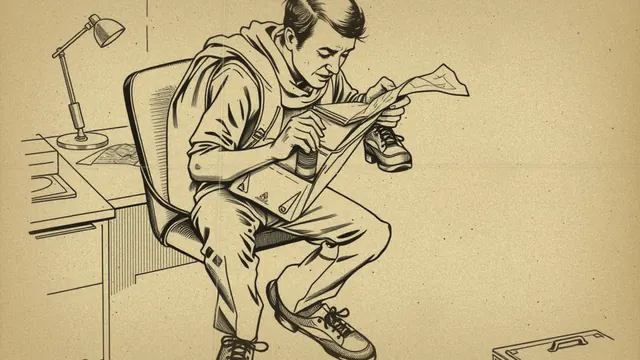
- A paper map of your area with two routes out marked
- A written card with phone numbers, including an out-of-area contact
Documents and money
- Copies of IDs, insurance cards and prescriptions in a waterproof bag
- A photo of each family member and each pet
- Cash in small bills
- A spare house key and car key
Tools
- A multi-tool
- Duct tape wrapped around a pencil or water bottle
- A few garbage bags and zipper-top bags
- A permanent marker and a small notepad
Practice the grab
A bag only helps if you can find it and leave with it. Once or twice a year, run a short drill. Set a timer, have each person grab their bag, a pet carrier and their shoes, and meet at the car or the front door. Notice what slowed you down: a bag buried behind winter coats, a missing car key, a cat under the bed. Fix one thing each time. Keep a sticky note inside the front cover listing last-minute items that can't live in the bag, such as your wallet, phone, laptop and refrigerated medicine, so nobody has to remember them under stress.
Keeping the weight manageable
The most common mistake is packing a bag so full that nobody wants to carry it. A few ways to keep it realistic:
- Pack it, then wear it. Walk around the block. If it pinches or drags, lighten it.
- Split the load. Adults can carry the heavier items. Older children can carry their own clothes, snacks and a comfort item.
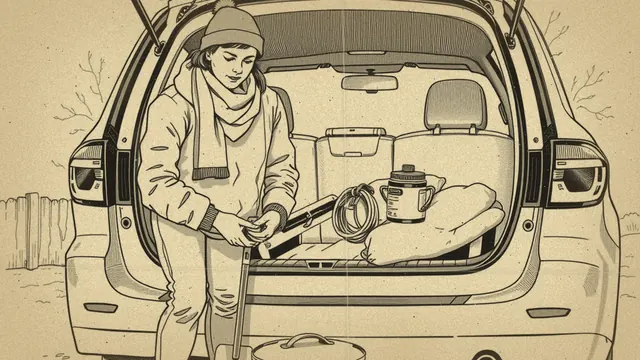
- Use the car as a second layer. Bulk water, extra food and a sleeping bag can live in the car. Our car emergency kit guide covers what to keep there, which takes pressure off the bag.
- Choose small sizes. Travel-size toiletries and a compact first aid kit add up to real savings.
- Choose a comfortable bag. A backpack with padded straps works better than a duffel for most people. For someone who uses a walker or has back pain, a rolling bag may be easier.
Change the layers with the seasons
Clothing is the part of the bag that most needs updating. Twice a year, swap these:
| Season | Add | Remove |
|---|---|---|
| Cold months | Warm hat, insulated gloves, thermal layer, wool socks, hand warmers | Sun hat, lightweight shirt |
| Warm months | Sun hat, light long sleeves, extra water, electrolyte drink mix | Heavy layers |
| Wet season | Rain poncho, extra socks, waterproof bag liner | Bulky cotton items |
One bag per person
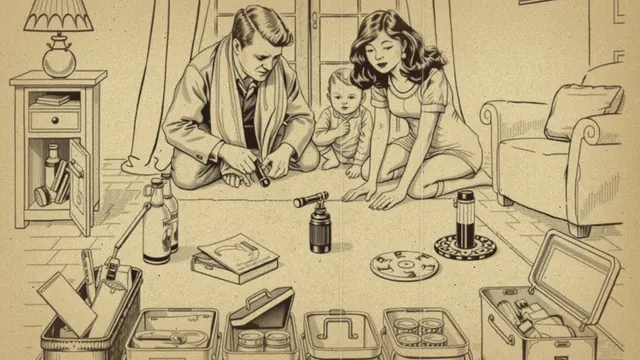
Each person, including children, does best with their own bag sized to what they can carry. A few examples:
- A nurse who works nights keeps her bag by the apartment door with scrubs, a phone charger and her work ID copy, so a call to evacuate during the day doesn't slow her down.
- A dad with two young kids packs the heavy items in his bag and gives each child a small backpack with a snack, a flashlight and a stuffed animal.
- A retiree with diabetes keeps a small insulated pouch next to the bag and a printed list of supplies, so nothing is forgotten in the rush.
Pets need their own bag too, with food, water, records and a leash or carrier.
How it fits with your other kits
Your home kit covers sheltering in place, and the 72-hour kit is where the full Ready.gov list lives; your bug-out bag pulls the most portable items from it. If you spend your days at work or school, a smaller get-home bag covers a different problem: getting back to your family when roads or transit stop.
A calm last word
You don't need specialized gear for a good evacuation bag. Most of it is ordinary stuff from around the house, packed in one place. No bag guarantees safety, but it can make leaving faster, calmer and more comfortable. In an emergency, call 911.
Want a guided preparedness plan?
Some people like the structure of a paid guide. This button opens a third-party survival or preparedness program from one of our advertising partners. Its claims are its own, not ours, so weigh them against our red flags checklist.
See the partner program →We may be paid when you click. The program shown can change. Read its terms before you buy anything. How this works
Frequently asked questions
What is a bug-out bag?
It's a packed bag you can grab when you need to leave home quickly, such as during a wildfire, flood or hurricane evacuation. Many people call it a go bag or evacuation bag; it holds water, food, light, first aid supplies, documents and clothing for a few days.
How heavy should a bug-out bag be?
Light enough that the person carrying it can walk comfortably with it for a long stretch. Pack it, put it on and take a walk around the block; if it hurts or slows you down, take things out or move heavy items to the car.
Do I need a bug-out bag if I have a car?
Yes. You may need to leave on foot, by bus or with a neighbor, and a packed bag means you won't be gathering supplies while officials are asking people to go. Keep the bag light and put bulkier items, like extra water, in the car.