Apartment Emergency Kit: How to Prep in a Small Space
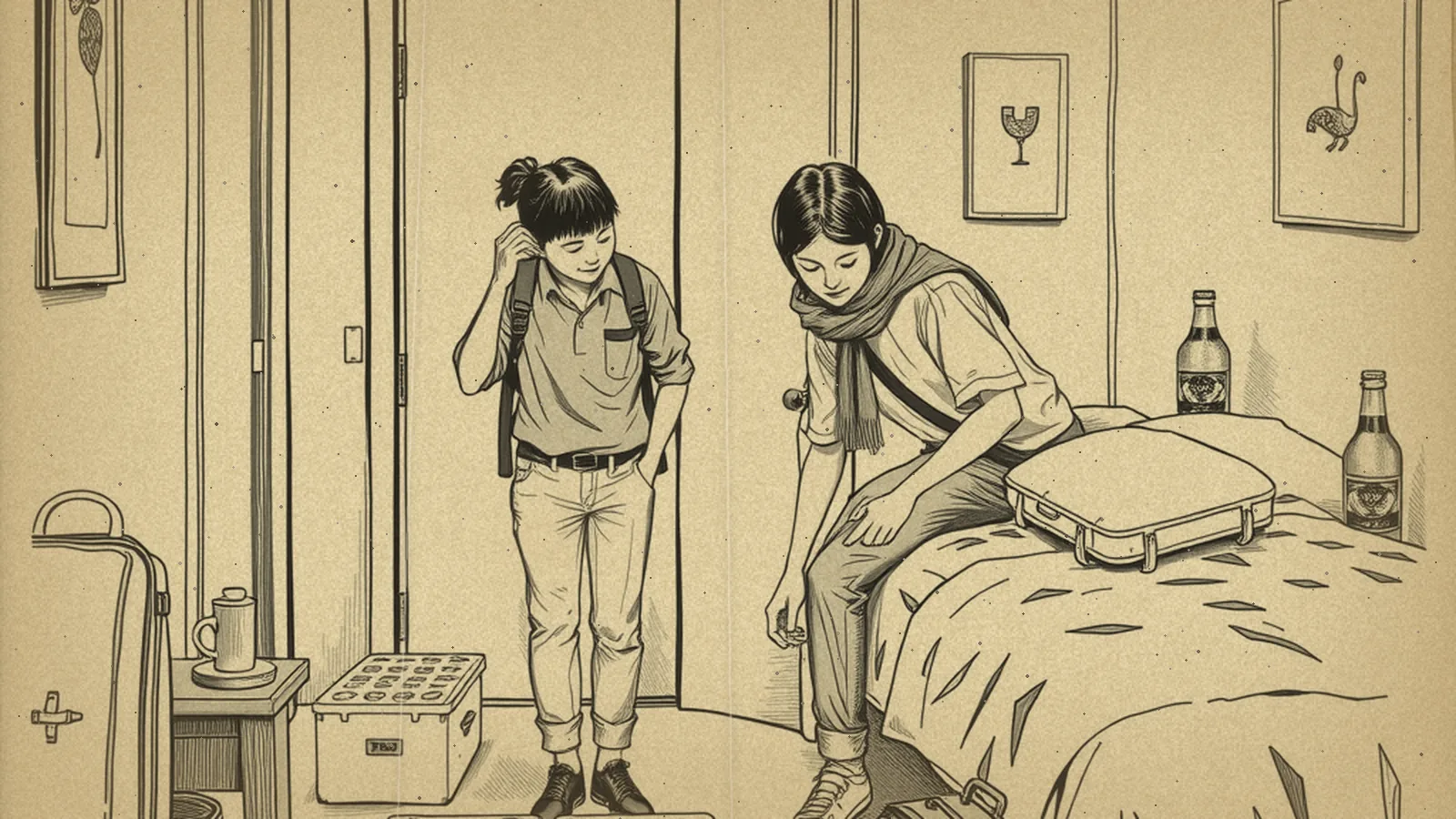
An apartment emergency kit works like any household kit, only packed smarter: water and food tucked under the bed and on closet shelves, a compact go-bag by the door, no-cook meals, battery lighting, and a clear idea of how your building handles evacuations and outages. You don't need a garage or a basement to be ready. You need a few good storage spots and a short conversation with your building manager.
The supplies themselves follow the same Ready.gov basics listed on our 72-hour kit page, and you'll find every kit guide in our Emergency Kits section. This page is about making them fit, and about the parts of apartment life that change the plan.
What's different about apartments
- Space is tight. You'll store in small batches across several spots.
- You share the building. Fire alarms, stairwells, water and power systems are often outside your control.
- Elevators may stop. During a power outage or fire, plan to use the stairs.
- Cooking options are limited. Grills, camp stoves and generators can't go indoors, and balconies often have rules.
- Neighbors are close. That's a real advantage. More people nearby means more help.
Finding storage in a small space
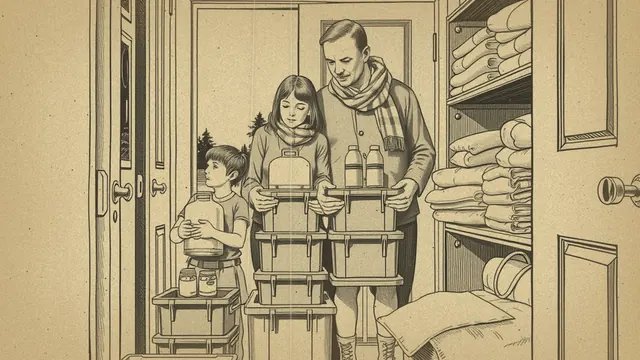
Look for dead space you already have. Here's a sample plan for a one-bedroom apartment shared by two adults and a cat.
| Spot | What goes there |
|---|---|
| Under the bed | Flat cases of bottled water, canned food in shallow bins |
| Closet top shelf | First aid kit, extra batteries, flashlights, hygiene supplies |
| Coat closet near the door | Two go-bags, shoes, rain jackets, the document binder |
| Kitchen cabinet | A week of shelf-stable food you already eat, manual can opener, paper plates |
| Behind the couch or in an ottoman | Blankets, a battery lantern, a deck of cards |
| Bathroom cabinet | Medications, wipes, garbage bags, a bucket with a lid for emergency toilet use |
| Under the sink | Cleaning supplies kept apart from food and water |
Water takes the most room. Plan for at least one gallon per person per day, and try to build toward a longer supply at home over time; our guide to how much water to store explains the numbers. Slim, stackable containers make a big difference in a small space, and our guide to water storage containers covers food-grade options that fit under beds and in closets. Keep stored water away from heaters and direct sun.
The compact apartment checklist
Start with the Ready.gov basics, then add these apartment-friendly picks:
- Battery or hand-crank lantern and headlamps instead of candles
- A battery-powered or hand-crank radio that receives NOAA Weather Radio
- A phone backup battery, kept charged
- No-cook food: peanut butter, crackers, canned beans and fish, cereal, shelf-stable milk, fruit cups
- A whistle in each go-bag, to signal from a stairwell or a room if needed
- Sturdy shoes and a small flashlight next to the bed
- Plastic sheeting and tape, in case you're told to shelter in place
- Large heavy-duty garbage bags and a lidded bucket for sanitation if water service stops
- Pet food, water, a carrier and a leash for any animals
A radio is especially useful in a building where cell service can be spotty in hallways and stairwells. Our emergency radio guide explains what to look for, from weather alerts to hand-crank power.
Learn your building's plan
Many renters never ask, and building staff are usually glad when someone does. Ask your landlord or building manager:
- Where do the stairwells lead, and which exits should residents use?
- Where does everyone gather after an evacuation?
- How will residents be notified of emergencies and outages?
- Is there backup power for hallway lights, elevators or water pumps?
- Does the building have a plan for residents who use wheelchairs or can't manage stairs?
- Who do I call to report damage, leaks or a power loss?
Then walk your exit route. Count the doors between your unit and the stairwell so you could find it in smoke or darkness. Know at least two ways out of your floor.
If you live on an upper floor and use a wheelchair or walker, tell building management and talk with neighbors about how they could help. Always follow evacuation orders and instructions from local emergency officials and building staff.
Cooking and heating safely
Apartment living rules out many backup cooking and heating options. Never use a grill, camp stove, generator or other fuel-burning device indoors, and never use a gas stove or oven to heat your home. Carbon monoxide can build up quickly. Check your lease and local fire rules before using anything on a balcony. Your plan can simply be:
- No-cook meals for short outages
- Insulated water bottles filled with hot water before a storm, if you have time
- Layers, blankets and one smaller room to keep warm in
A battery-powered or battery-backup carbon monoxide alarm is worth having, even in a building with central heat. Our generator safety guide explains carbon monoxide risks in depth.
Keep your papers together
Renters still need documents: your lease, renters insurance policy, ID copies and your landlord's emergency number. A slim binder fits in the coat closet next to your go-bag. Our important documents binder guide has a full checklist and tips for a secure digital backup. If you don't have renters insurance, it's worth pricing a policy; the building's insurance usually doesn't cover your belongings.
Building it without breaking the bank
Small spaces push people toward small, steady buys, and that's a good thing. Add a case of water one week, a few cans of food the next, then a radio. Our emergency kit on a budget guide lays out a month-by-month plan that suits apartment storage, starting with things you already own.
You'll also see "compact survival kits" and bundles marketed to city dwellers. Some are fine; others are padded with low-quality items. Our list of preparedness product red flags can help you spot overpriced bundles and fear-based marketing before you buy.
Get to know your neighbors
The people on your floor are your nearest help. Swap phone numbers with one or two neighbors. Learn who has young children, pets, medical equipment or limited mobility. Agree to knock on each other's doors during an outage. A building where neighbors know each other is a building that handles emergencies better.
Your apartment action plan for this week
- Pick three storage spots and clear one of them
- Buy or fill water for at least a few days
- Pack one go-bag and put it by the door
- Email your building manager the six questions above
- Walk your exit route and count the doors
- Exchange numbers with one neighbor
Check your supplies twice a year, swap out food you're about to eat anyway, and you'll have a kit that fits your home and your life.
Want a guided preparedness plan?
Some people like the structure of a paid guide. This button opens a third-party survival or preparedness program from one of our advertising partners. Its claims are its own, not ours, so weigh them against our red flags checklist.
See the partner program →We may be paid when you click. The program shown can change. Read its terms before you buy anything. How this works
Frequently asked questions
Where can I store emergency supplies in a small apartment?
Try under the bed, the top shelf of a closet, behind the couch, inside an ottoman with storage, or in the back of a coat closet near the door. Spread supplies across a few spots rather than needing one big space.
Can I use a camp stove or grill on my apartment balcony?
Never use a grill, camp stove or generator indoors, and check your lease and local fire rules before using one on a balcony, since many buildings and cities restrict them. No-cook meals are the simplest plan for apartments.
What should I ask my landlord about emergencies?
Ask where the building's exits and stairwells lead, where everyone gathers after an evacuation, how residents are notified, whether there's backup power for lights or elevators, and how to report outages or damage.