How Often to Update Your Emergency Kit (and What to Check)
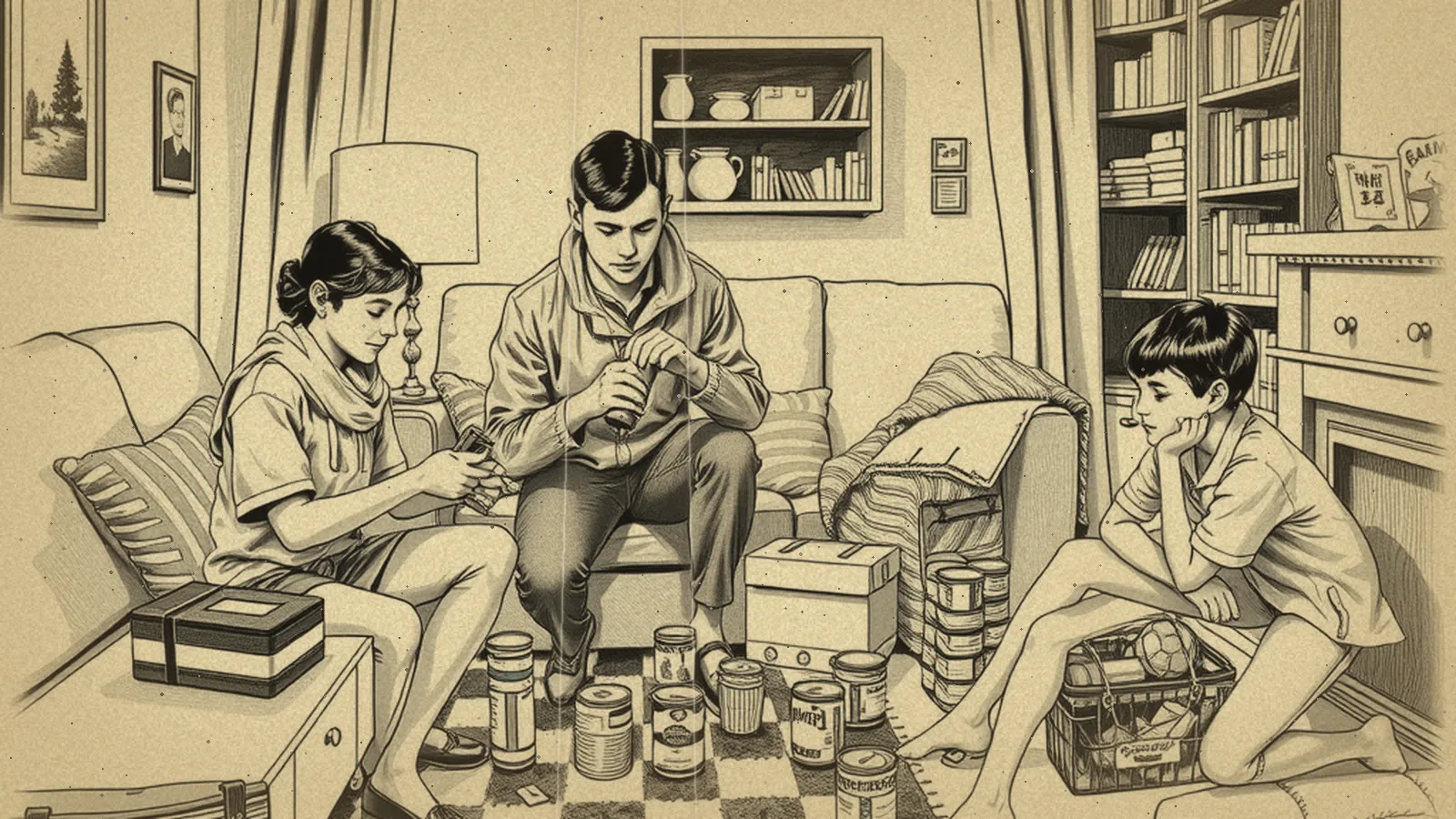
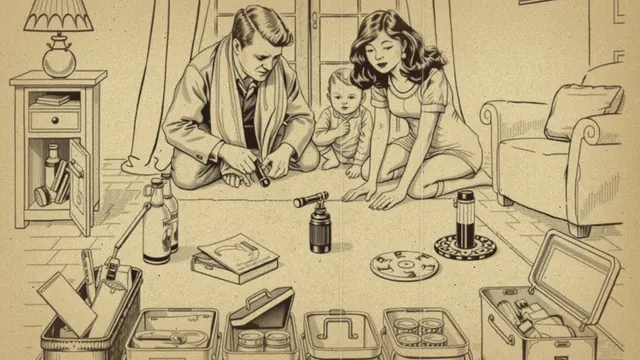
Check and update your emergency kit at least twice a year. A simple habit is to do it when the clocks change in spring and fall: swap out food and water that are near their dates, replace medicines and batteries, test your flashlights and radio, update clothes for the season and refresh your documents and phone numbers. The whole job takes about 30 minutes for a household kit.
Building a kit is the big first step, and our Emergency Kits section covers every type. The full list of what belongs in a basic kit lives on our 72-hour kit page; use it as your checklist each time you review, since it shows what your kit should contain, not just what it does contain today.
Why kits need maintenance
A kit isn't a one-time purchase. Food reaches its date. Stored water should be refreshed. Batteries lose charge, medicines expire, kids outgrow their clothes, and phone numbers change. A kit packed three years ago and never opened may let you down when you need it. A short, regular check keeps it ready.
Pick your reminder
Tie the check to something you already do:
- The clock change. In most of the US, the spring and fall clock changes make easy reminders. It's also when many people test smoke and carbon monoxide alarms.
- Your birthday and a half-birthday. Personal and easy to remember.
- The start of your local storm season, such as before hurricane season or before winter, plus one more date six months later.
- A calendar reminder on your phone that repeats every six months.
If you live somewhere without daylight saving time, pick two other dates and put them on the calendar.
The 30-minute kit check
Lay everything out on a table or the floor and work through it in this order.
- Food (5 minutes). Check dates. Anything expiring in the next few months goes into your pantry to be eaten soon, and you buy fresh replacements. Look for dented, bulging or leaking cans and throw them out.
- Water (5 minutes). Check dates on store-bought water and refresh any water you bottled yourself. Our guide to rotating stored water explains schedules and how to reuse it.
- Batteries and power (5 minutes). Test every flashlight, lantern and headlamp. Replace weak or expired batteries. Charge power banks and any rechargeable lights.
- Radio (3 minutes). Turn it on, check the weather band and alerts, and give the crank a few turns.
- First aid and medicines (5 minutes). Replace expired ointments, pain relievers and wipes. Talk to your pharmacist about rotating any stored prescription medicines.
- Clothes and shoes (3 minutes). Swap seasonal layers and check that everyone's sizes still fit.
- Documents and contacts (4 minutes). Update the family contact list, medication lists and insurance cards. Check that copies in your binder are current.
Before you pack up, take a quick photo of the kit's contents, so next time you can see at a glance what was there.
What expires or wears out
| Item | What to look for | What to do |
|---|---|---|
| Canned and boxed food | Printed dates, dents, bulges, rust, leaks | Eat or donate items near their date, toss damaged cans, replace |
| Stored water | Dates on store-bought water, age of self-filled containers | Rotate on a regular schedule |
| Medicines | Expiration dates, storage conditions | Ask your pharmacist about safe disposal and replacement |
| First aid supplies | Dried-out wipes, expired ointments, brittle tape | Replace |
| Batteries | Expiration dates, corrosion, weak test results | Replace, store spares separately if instructions allow |
| Hand sanitizer, sunscreen | Dates, separated contents | Replace |
| Clothes and shoes | Fit, season | Swap and resize, especially for kids |
| Documents | Old insurance cards, outdated contacts | Update copies |
| Pet supplies | Food dates, vaccination records | Rotate food, update records |
Rotate instead of replace
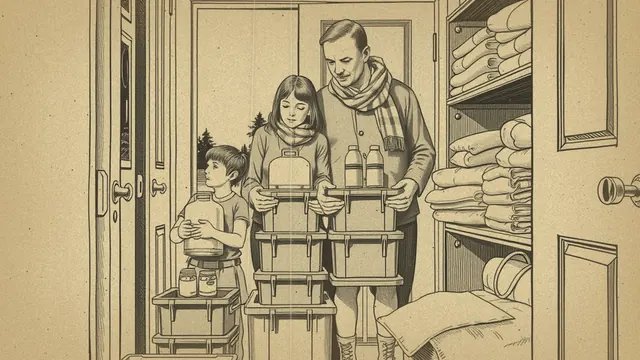
The best way to keep food fresh without waste is to store what you already eat and rotate it into regular meals. When you check your kit, move items close to their dates into your kitchen and put new ones in the kit. Our guide to rotating food storage explains first in, first out, and how a simple inventory sheet makes this painless.
Go-bags need checks too
Go-bags sit in closets and car trunks where heat, cold and time take a toll. At each check, empty the bag completely and look at:
- Water bottles and pouches, especially those kept in a hot car
- Food bars, which can go stale in heat
- Shoes, socks and rain gear for wear
- The bag's zippers and straps
- Total weight: can each person still carry their bag comfortably?
Our bug-out bag guide covers what each evacuation bag should hold and how to adjust it by season. If your kit check shows a bag has grown too heavy, that guide can help you trim it.
Keep your radio and lights ready
Your radio is often the item people forget until a storm hits. During each check, make sure it powers on, alerts still sound and spare batteries are fresh. Our emergency radio guide explains which features to test and how to set location alerts if your model has them.
A worked example for a family of four
Here's how one household might run its fall check: two adults, a teen, a 6-year-old and a cat.
- The teen tests every flashlight and the radio, and reads expiration dates out loud.
- The 6-year-old swaps their own spare clothes for a bigger size and picks new snacks.
- One adult handles medicines, first aid and the cat's food and records.
- The other adult updates the document binder and contact list, then charges the power banks.
- Food near its date goes on the counter, and the family plans two meals around it that week.
The whole check takes about 30 minutes, and the kids get practice knowing what's in the kit and where it lives.
Things not to fall for
You may see subscription "kit refresh" services or products that claim they'll never need checking. Some are fine conveniences, but no kit stays ready without a person looking at it. Our guide to choosing preparedness programs and products can help you decide what's worth paying for.
After you use your kit
Any time you dip into your kit, even for a short outage, restock it within a week. Make a quick list right away of what you used, so nothing gets forgotten.
Do this today
Put two repeating reminders on your calendar, six months apart, labeled "kit check." Then do your first check this week. Always follow instructions from local emergency officials when an emergency is on the way, and you'll know that what's in your kit is ready to go.
Want a guided preparedness plan?
Some people like the structure of a paid guide. This button opens a third-party survival or preparedness program from one of our advertising partners. Its claims are its own, not ours, so weigh them against our red flags checklist.
See the partner program →We may be paid when you click. The program shown can change. Read its terms before you buy anything. How this works
Frequently asked questions
How often should I check my emergency kit?
Check it at least twice a year. Many families use the spring and fall clock changes as a reminder, since it's also a good time to test smoke and carbon monoxide alarms.
What in an emergency kit expires?
Food, stored water, medicines, first aid supplies like ointments and wipes, batteries, and some items like sunscreen and hand sanitizer all have dates or wear out. Documents and phone numbers go out of date too.
Should I keep batteries inside my flashlight and radio?
Many households store spare batteries separately so a slow leak doesn't damage the device. Follow the device's instructions, and if you do keep batteries installed, test and check them at every kit review.