What to Do After a Disaster: A Step-by-Step Recovery Guide
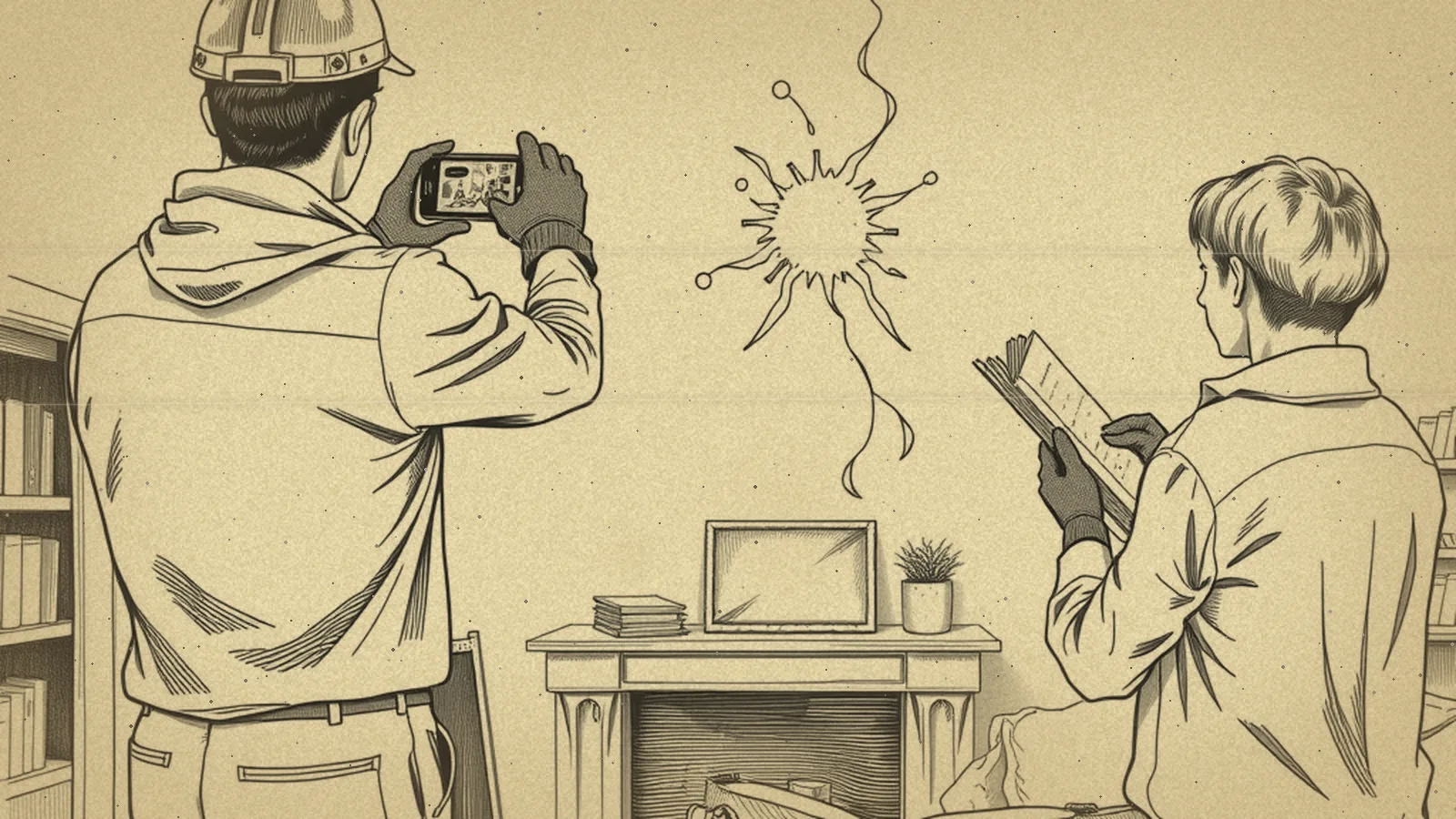
After a disaster, take it in order: make sure everyone is safe, check your home for hazards before going in, document the damage with photos, contact your insurer, and apply for help, including federal assistance at DisasterAssistance.gov if a disaster has been declared. Return home only when local officials say it is safe, and keep following their instructions. Recovery usually takes longer than people expect, so pace yourself and lean on others.
This is the last step in our Disaster Planning section, and it is the part people most often skip when they plan. Knowing the steps ahead of time makes the hard days that follow a little lighter.
Step 1: Safety first
Before anything else:
- Check people for injuries. Call 911 for anyone seriously hurt.
- Stay out of damaged buildings until officials or a qualified professional say they are safe.
- If you smell gas or hear a hissing sound, leave right away and call the gas company or 911 from outside. Do not turn lights on or off.
- Stay away from downed power lines and anything touching them, including water.
- Wear sturdy shoes, long pants, gloves and eye protection when walking through debris.
- Never use a generator, grill or camp stove indoors, in a garage or near open windows. Carbon monoxide builds up quickly. Our generator safety guide explains the safe setup and why you need CO alarms.
Throw out any food that may have touched floodwater or sat too long without refrigeration. When in doubt, throw it out.
Step 2: Let people know you are safe
Text your out-of-area contact and the people on your list. Texts often go through when calls do not, and short messages keep lines open for emergency calls. If you made an emergency communication plan, this is the moment it pays off: everyone already knows who to text and what to say. Follow official channels for updates, and be careful about sharing rumors.
Step 3: Document the damage
Before you clean up or throw anything away:
- Take wide photos of each room and the outside of your home from every side.
- Take close-ups of damaged items, including serial numbers on appliances and electronics where you can.
- Record video walking slowly through the home while you describe what you see.
- Write a list of damaged and destroyed items, with rough ages and where you bought them if you remember.
- Keep every receipt for supplies, hotel stays, meals and temporary repairs.
Make temporary repairs that stop more damage, like covering broken windows or a damaged roof with plastic sheeting, if it is safe to do so.
Step 4: Contact your insurer
- Call your insurance company or agent as soon as you can, and write down your claim number.
- Ask what they need from you, how long the process usually takes, and whether your policy covers living expenses if you cannot stay in your home.
- Keep a notebook of every call: date, time, the person you spoke with and what they said.
- Be present when the adjuster visits if you can, and share your photos and list.
Renters: renters insurance may cover your belongings and temporary housing. Your landlord's policy usually covers the building, not your things.
Step 5: Apply for assistance
If a disaster is declared for your area, federal assistance may be available. Applications are made at DisasterAssistance.gov, and you can also find out there which programs apply where you live. Have this ready:
| What to gather | Why |
|---|---|
| Contact information and a working phone number | So caseworkers can reach you |
| Address of the damaged home and your current address | To verify where you live and where to send mail |
| Insurance policy information | To show what your policy does and does not cover |
| Description of damage and your photos | To support your application |
| Bank information for direct deposit | For faster payment if you qualify |
State and local governments, nonprofits and community groups may also offer help with food, cleanup, housing and replacement documents. Local officials usually share where to find disaster recovery centers in person.
Watch out for scams
After a disaster, some people take advantage. Be careful with:
- Contractors who knock on your door, ask for large payments up front or pressure you to sign today.
- Anyone who offers to speed up your federal application for a fee. Apply directly at DisasterAssistance.gov instead.
- Calls or messages asking for personal information from people claiming to be inspectors.
Ask for identification, get written estimates, check licenses with your state, and never pay in cash.
Step 6: Care for each other
Disasters take a toll that does not show in photos. Trouble sleeping, irritability, worry and sadness are common reactions in the weeks after. Kids may become clingy, act younger than their age, or have nightmares.
- Keep routines where you can: regular meals, bedtimes and small familiar rituals.
- Let children ask questions and give honest, simple answers. Limit news coverage around them.
- Take breaks from cleanup, and accept help from neighbors.
- Talk with people you trust.
If stress, sadness or anxiety are not easing, consider talking with a licensed therapist or counselor, or your doctor. SAMHSA's Disaster Distress Helpline offers support by call or text at 1-800-985-5990. If you're in crisis in the US, call or text 988 (Suicide & Crisis Lifeline). In an emergency, call 911. Our guide to mental health after disasters has more on stress reactions, sleep and helping kids cope.
Plans that connect to this one
- Your family emergency plan is the best place to start the next round, updated with what you learned this time, such as a better meeting place or a document you wished you had.
- Your emergency communication plan makes the first hours after a disaster calmer, because everyone already knows who to contact.
- Community preparedness helps recovery go faster, since neighbors who know each other share tools, childcare and information.
The calm takeaway
Save this list somewhere you can reach without power, like a printed copy in your documents binder. Today, take a quick video walk-through of your home and its contents and store it online. If you ever need to file a claim, that short video can make the hardest days more manageable.
Want a guided preparedness plan?
Some people like the structure of a paid guide. This button opens a third-party survival or preparedness program from one of our advertising partners. Its claims are its own, not ours, so weigh them against our red flags checklist.
See the partner program →We may be paid when you click. The program shown can change. Read its terms before you buy anything. How this works
Frequently asked questions
How do I apply for FEMA disaster assistance?
Federal disaster assistance applications are made at DisasterAssistance.gov after a disaster is declared for your area. Have your contact information, address of the damaged home, insurance details and a description of the damage ready when you apply.
Should I clean up before my insurance adjuster comes?
Take photos and video of all damage first, then make temporary repairs that prevent more damage, like covering a hole in the roof, and keep receipts. Ask your insurer before throwing away damaged items, and follow their instructions.
How can I spot a scam after a disaster?
Be cautious of anyone who asks for cash up front, pressures you to sign right away, or says they are from a government agency and asks for a fee or personal information. Ask for identification and apply for federal help only through DisasterAssistance.gov.