Tornado Safety: Know the Alerts and Your Shelter Spot
Tornado safety starts with two words. A tornado watch means conditions are favorable for tornadoes, so get ready. A tornado warning means a tornado has been sighted or indicated by radar, so take shelter immediately in a basement or an interior room on the lowest floor, away from windows. If you know that difference and already know your shelter spot, you have done the most important part of tornado planning.
The rest of this page helps you choose that spot, set up alerts you will actually hear, and practice. It is one of the hazard plans in our Disaster Planning section, and like the others, it works best when everyone in the home helps make it.
Watch vs warning at a glance
| Alert | What it means | What to do |
|---|---|---|
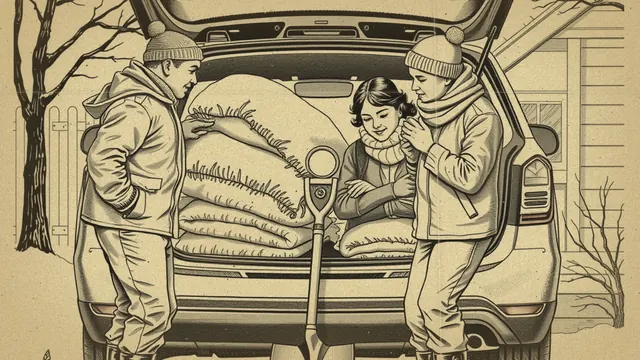
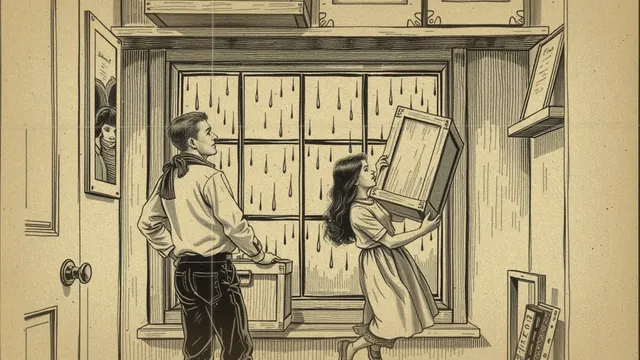
| Tornado watch | Conditions are favorable for tornadoes in and near the area | Charge phones, put shoes and a flashlight near your shelter spot, bring pets inside, keep alerts on |
| Tornado warning | A tornado has been sighted or indicated by radar | Go to your shelter spot now. Do not wait to see it |
Local officials and the National Weather Service may also share updates on TV, radio and social media. Follow their instructions, and if they tell you to evacuate or move to a public shelter ahead of a storm, do it.
Set up alerts that will wake you
Tornadoes can arrive at night, when phones are on silent and people are asleep. Build at least two ways to hear a warning:
- Wireless Emergency Alerts come to most cell phones from authorized officials. Check your phone settings to make sure emergency alerts are turned on.
- A NOAA Weather Radio broadcasts National Weather Service warnings around the clock. Many models have an alert feature that sounds when a warning is issued for your county. Our guide to emergency radio features explains what to look for, including battery and hand-crank backups.
- Local alert sign-ups from your county or city can add texts or calls.
Outdoor sirens are meant to warn people who are outside. Do not count on hearing them indoors.
Choose your shelter spot today
Walk through your home with this checklist:
- Lowest level first. A basement or storm cellar is best if you have one.
- Interior room, no windows. If there is no basement, choose a small room in the middle of the lowest floor: a closet, bathroom or hallway.
- Put walls between you and the outside. The more walls, the better.
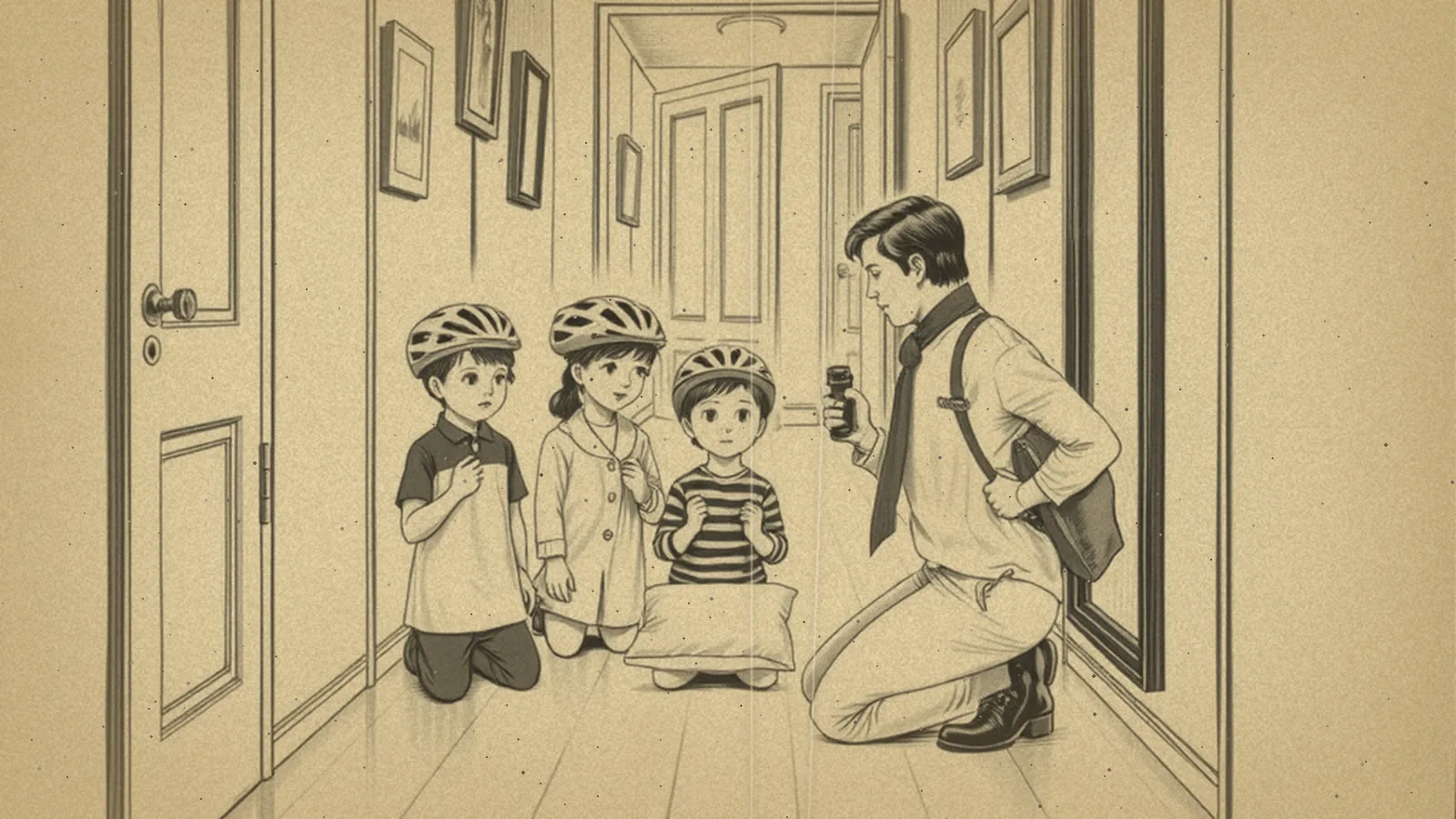
- Cover up. Bring pillows, blankets or a mattress to cover heads and bodies. Helmets, such as bike helmets, can protect heads, especially for kids.
- Wear shoes. Sturdy shoes protect feet if you need to walk over debris after the storm.
Keep a small tornado bin in or near that spot: a flashlight, a whistle to signal for help, a phone power bank, water, a few snacks, any must-have medications and a pair of shoes for each person.
Different homes, different plans
- Apartments and condos: Go to the lowest floor you can reach quickly, to an interior hallway or stairwell away from windows. Ask building management where the designated shelter area is. Avoid elevators.
- Mobile and manufactured homes: These are not safe places to shelter during a tornado, even if they are tied down. Make your plan before storm season: identify a sturdy building nearby and leave for it as soon as a watch is issued. Ask your park manager whether there is a community shelter.
- Homes with someone who uses a wheelchair or has limited mobility: Choose a ground-floor spot they can reach quickly without stairs, and practice the route. Keep their mobility aids and medications in the tornado bin area.
- Homes with pets: Bring pets inside as soon as a watch is issued, and keep a leash or carrier by the shelter spot so they cannot bolt.
If you are not at home
- At work or school: Learn the building's tornado plan and shelter area now. Ask your child's school how they notify parents and how reunification works.
- In a store or public building: Follow staff directions and move to an interior area away from windows and large open rooms.
- In a car: Vehicles offer little protection. If you have time, drive to a sturdy building. If you are caught in the open, follow the guidance of local officials and the National Weather Service, and protect your head and neck.
Practice: the 60-second drill
Practice turns a plan into a habit. Try this once each spring, and again whenever someone new joins your household:
- Someone says "Tornado warning!" at a random time.
- Everyone stops what they are doing and goes to the shelter spot, grabbing shoes on the way.
- Each person gets into position, crouched low, covering their head and neck.
- Check: did everyone make it? Were pets and mobility aids handled? Was the flashlight where it should be?
- Talk for two minutes about what slowed you down, and fix it.
Kids handle drills better when they feel useful. Give a school-age child a job, like grabbing the flashlight or carrying the cat's carrier.
After the tornado passes
- Stay in your shelter until officials say the danger has passed. More than one storm can move through.
- Watch for downed power lines and broken glass, and stay out of damaged buildings.
- If you smell gas, leave the building and call for help from outside.
- Check on neighbors, especially older adults and people living alone.
- Text your out-of-area contact to let them know you are safe. Texts often get through when calls do not.
Plans that pair well with this one
- Winter storm preparedness is the natural next plan, since the same alert setup and backup lighting you build for spring storms carry you through ice and snow.
- Extreme heat preparedness matters because a damaging storm can cut power during the hottest weeks of the year, leaving you without fans or air conditioning.
- Flood preparedness belongs right beside this plan, because tornado-producing storms often dump heavy rain, and the safest spot for a tornado is not always the safest spot if water is rising.
If you want hands-on practice beyond your own drills, many communities offer free preparedness training. Our overview of choosing a preparedness program explains how to tell a useful class from a sales pitch.
The calm takeaway
Today, choose your shelter spot, check that emergency alerts are on, and put shoes and a flashlight there. Those three steps take less than half an hour, and they give everyone in your home a clear place to go the moment a warning comes.
Want a guided preparedness plan?
Some people like the structure of a paid guide. This button opens a third-party survival or preparedness program from one of our advertising partners. Its claims are its own, not ours, so weigh them against our red flags checklist.
See the partner program →We may be paid when you click. The program shown can change. Read its terms before you buy anything. How this works
Frequently asked questions
What is the difference between a tornado watch and a tornado warning?
A watch means conditions are favorable for tornadoes, so stay alert and get ready. A warning means a tornado has been sighted or indicated by radar, so take shelter immediately in a basement or an interior room on the lowest floor, away from windows.
Where should I go if I live in a mobile home?
Plan ahead to leave for a sturdy building when a watch is issued, such as a neighbor's house, a community storm shelter or a relative's home with a basement. Ask your park manager and local emergency management office which shelters serve your area.
Should I open windows before a tornado?
No. Opening windows wastes time you need to reach shelter. Head straight to your shelter spot and stay away from windows.