Earthquake Preparedness: What to Do Before, During and After the Shaking
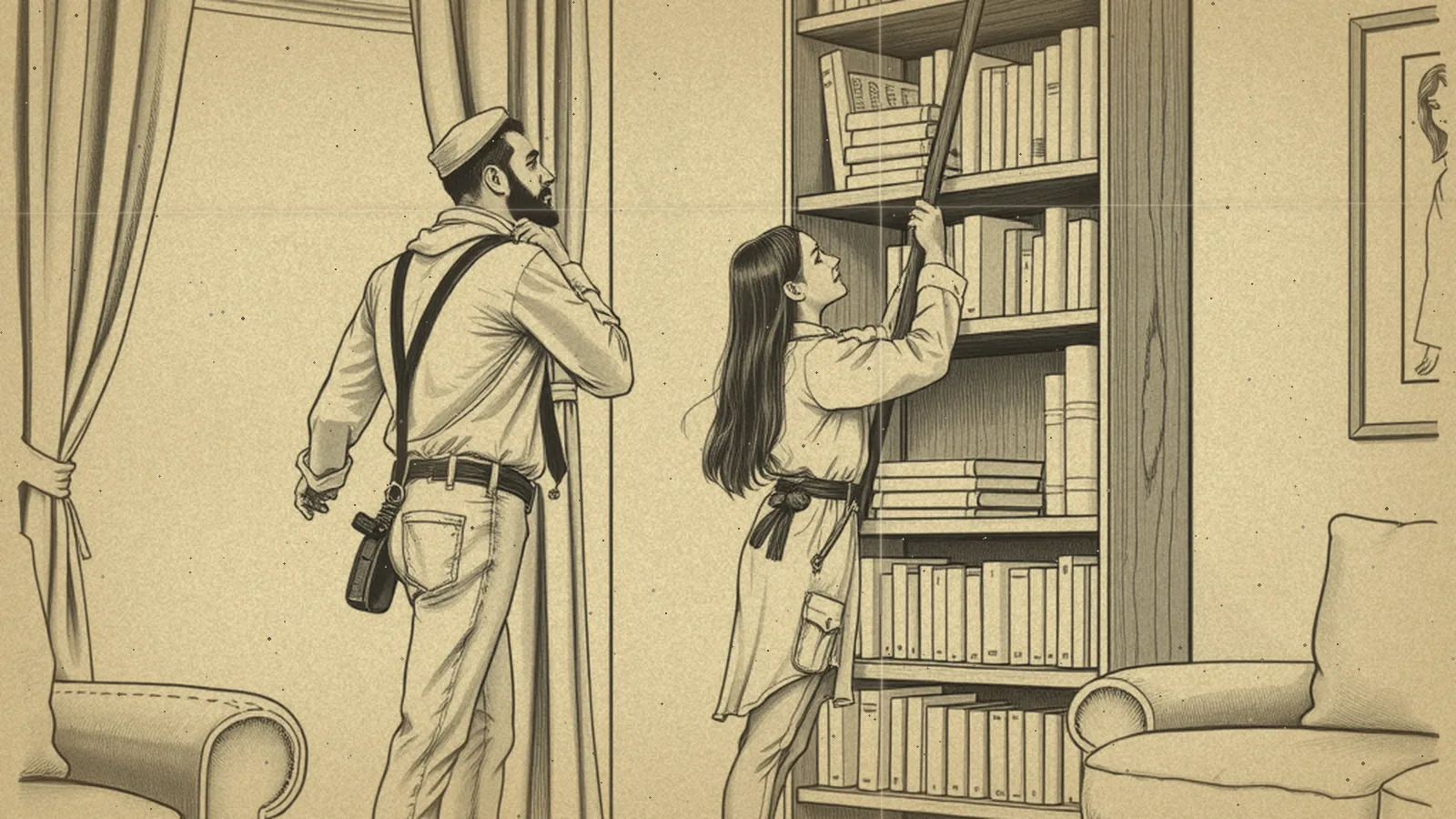
Earthquake preparedness centers on one action: Drop, Cover, and Hold On, the response promoted by Ready.gov and the Great ShakeOut drills. Before an earthquake, secure heavy furniture, learn how to shut off your gas and keep supplies ready. During shaking, drop, cover your head and neck, and hold on until it stops. Afterward, check for hazards, expect aftershocks and follow instructions from local officials.
Earthquakes are the one hazard in our Disaster Planning section that comes with no warning. You can't evacuate ahead of time, so the most important preparation is practicing what your body will do in the first few seconds.
Drop, Cover, and Hold On
Here's how it works, step by step.
- Drop to your hands and knees wherever you are. This keeps you from being knocked down and lets you crawl to shelter.
- Cover your head and neck with one arm and hand. If a sturdy table or desk is nearby, crawl under it. If not, get down next to an interior wall, away from windows, and keep covering your head and neck.
- Hold On to your shelter, or keep covering your head and neck, until the shaking stops. Be ready to move with the table if it shifts.
Emergency managers generally recommend Drop, Cover, and Hold On rather than running outside or standing in a doorway, because falling objects and broken glass are the main dangers during shaking.
Adapting for different situations
| Where you are | What to do |
|---|---|
| In bed | Stay there, lie face down and cover your head and neck with a pillow |
| Using a wheelchair or walker | Lock your wheels or sit down, bend forward and cover your head and neck with your arms |
| In a kitchen | Move away from the stove and tall cabinets if you can do it in a step or two, then drop and cover |
| Outdoors | Move away from buildings, trees and power lines if you can do it safely, then drop and cover |
| Driving | Pull over away from bridges, overpasses and power lines, set the brake and stay in the car |
| In a store or theater | Drop and cover where you are, away from shelves and glass |
Practice so it becomes automatic
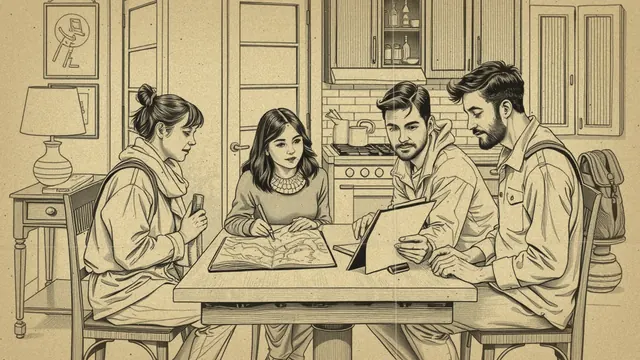
In an earthquake, people tend to do what they've practiced. Hold a short drill at home once or twice a year. Many people practice during the Great ShakeOut, an annual drill that schools, workplaces and families join.
During your drill:
- Have everyone drop, cover and hold on in the room they're in.
- Talk about the safest spot in each room.
- Practice getting kids under a table quickly.
- Afterward, walk through how you'd check for hazards.
Secure your space before an earthquake
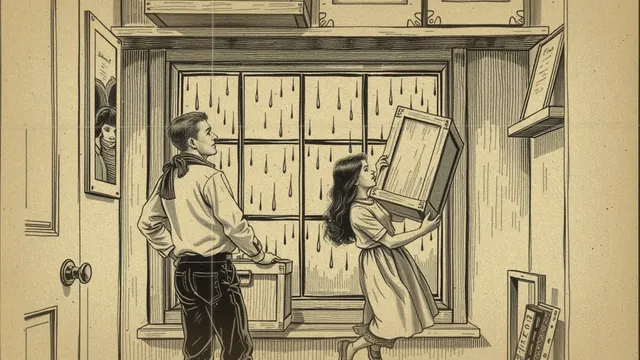
Much of the danger in an earthquake comes from things falling or moving. A weekend of work can make a big difference.
- Anchor tall bookcases, dressers and cabinets to wall studs with furniture straps.
- Strap your water heater to the wall, following local codes and the manufacturer's instructions.
- Move heavy items to lower shelves.
- Use latches on kitchen cabinets.
- Hang mirrors and heavy pictures away from beds and couches.
- Keep beds away from windows when you can.
- Secure TVs and computers with straps.
Renters can do much of this too; ask your landlord about anchoring furniture and look for removable or low-impact options.
Know your utility shutoffs
Learn where your gas, water and electric shutoffs are, and keep a wrench or pliers nearby. Ready.gov's basic kit list includes a wrench or pliers for this.
- Gas: Only turn it off if you smell gas, hear hissing or officials tell you to. If you do, let your gas utility or a qualified professional turn it back on.
- Water: Turning off the main can protect clean water already in your pipes if lines are damaged.
- Electricity: Turn it off if you see sparks, frayed wires or smell hot insulation, if you can do so safely.
Keep supplies ready
Roads and stores may be affected for a while after a strong earthquake. Keep a kit at home and a smaller one in your car and at work. Include water, food, a flashlight, a first aid kit, sturdy shoes, gloves, a whistle and a battery-powered or hand-crank radio.
Store shoes and a flashlight by each bed so no one has to walk on broken glass in the dark. If you run short of water, your home may have more than you think. Our guide to emergency water sources at home explains where to find it and which sources aren't safe to drink.
After the shaking stops
- Check yourself and others for injuries. Call 911 for emergencies.
- Expect aftershocks. Drop, cover and hold on again if more shaking starts.
- Look for hazards: gas smells, damaged wiring, broken glass and spills.
- Get out if your building is damaged, and stay out until it's checked.
- Text your out-of-area contact instead of calling.
- Listen for official updates on a radio or phone, and follow instructions from local emergency officials.
- If you live near the coast and feel strong shaking, follow local tsunami guidance and move to higher ground if officials advise it.
How households prepare
A couple in an older apartment building: They strapped the bookcase to the wall, keep shoes under the bed and know to meet in the parking lot across the street after shaking.
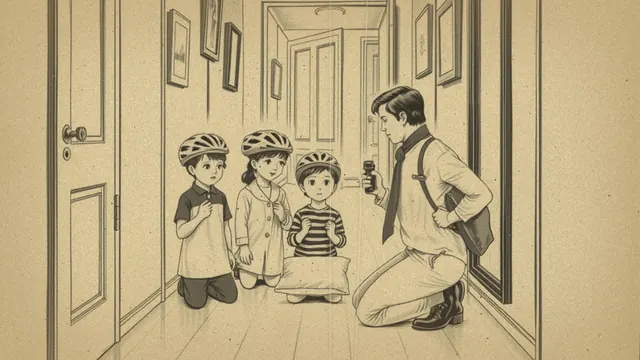
A family with young kids: The kids practice "turtle" under the kitchen table, and each child's room has a flashlight on a hook by the door.
A person who uses a wheelchair: They practice locking wheels and covering their head, and a neighbor has agreed to check on them after any strong quake.
Getting help with planning
You don't need a paid course to prepare for earthquakes; free drills and local resources cover most of what you need. If you're weighing a paid option anyway, our guide to choosing a program shows what to look for.
Planning for other hazards
Earthquake country often overlaps with other risks. In fire-prone areas, the wildfire preparedness guide covers a hazard where leaving early is the key choice. Many quake-prone regions also see heavy winter rain and flooding, so the flood preparedness guide is worth a look. For a sudden-onset hazard with a short warning, the tornado preparedness guide covers where to shelter fast.
Your earthquake to-do list
- Practice Drop, Cover, and Hold On with everyone at home.
- Anchor your tallest piece of furniture this weekend.
- Find your gas, water and electric shutoffs.
- Put shoes and a flashlight by each bed.
- Stock water and food at home.
- Pick a meeting spot outside your building.
No plan can stop an earthquake or guarantee safety. Practice and a few secured shelves help your household act fast and stay calmer when the ground starts moving.
Want a guided preparedness plan?
Some people like the structure of a paid guide. This button opens a third-party survival or preparedness program from one of our advertising partners. Its claims are its own, not ours, so weigh them against our red flags checklist.
See the partner program →We may be paid when you click. The program shown can change. Read its terms before you buy anything. How this works
Frequently asked questions
What should you do during an earthquake?
Drop, Cover, and Hold On. Drop to your hands and knees, cover your head and neck under a sturdy table or desk or next to an interior wall, and hold on until the shaking stops. Stay where you are rather than running outside.
Should I turn off the gas after an earthquake?
Only if you smell gas, hear a hissing sound or officials tell you to. If you turn it off, let your gas utility or a qualified professional turn it back on. Get everyone outside and call your utility or 911 from a safe distance.
What should I do if I'm in bed when an earthquake starts?
Stay in bed, lie face down and cover your head and neck with a pillow until the shaking stops. Keep shoes and a flashlight by the bed so you can move safely afterward.