How to Shelter in Place Safely When Officials Tell You to Stay Put
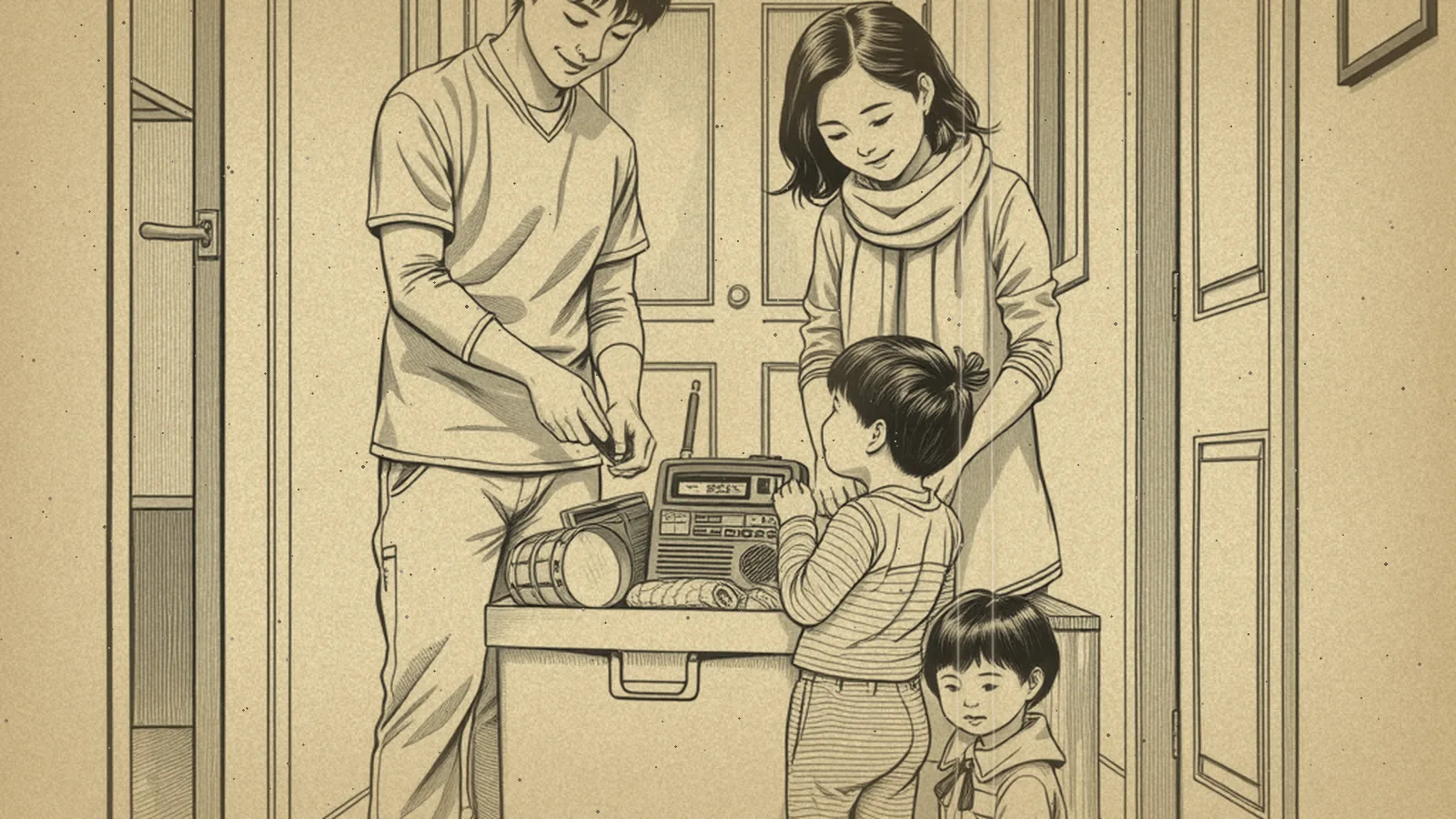
To shelter in place means to stay inside, or quickly get inside, and wait in the safest room until local officials say the danger has passed. Officials may ask you to do this during a tornado warning, a severe storm or a hazardous materials release. Go inside, choose the right room for the hazard, bring your supplies, and keep a radio or phone on for updates.
It's the other half of the stay-or-go decision covered in our Disaster Planning section. Sometimes leaving is safer; sometimes staying put is. The key is to follow the instructions local emergency officials give for your situation.
When officials may tell you to shelter in place
| Situation | Why staying put helps | Where to go |
|---|---|---|
| Tornado warning | Being inside a sturdy building beats being caught outside or in a car | Basement or interior room on the lowest floor, away from windows |
| Severe thunderstorm or high winds | Flying debris and falling branches are the main danger | Interior room away from windows |
| Hazardous materials release | Outdoor air may be unsafe to breathe for a while | An interior room with few windows and doors, above ground if officials advise it |
| Wildfire smoke | Keeping outdoor air out helps your lungs | A room with doors and windows closed and the cleanest air you can manage |
| Other local emergencies | Officials want roads clear or people out of harm's way | Follow their specific instructions |
A tornado warning means a tornado has been sighted or indicated by radar, so take shelter immediately. A watch means conditions are favorable, which is a good time to review your plan and check your supplies.
Step 1: Get inside fast
If you're outdoors when an order comes, go into the nearest sturdy building. Bring children and pets in. If you're in a car and a building isn't close, listen to the radio for instructions.
Step 2: Choose your room ahead of time
Pick your shelter room now so no one has to decide in the moment.
- House with a basement: The basement, away from windows, for wind events.
- House without a basement: A small interior room, closet or hallway on the lowest floor.
- Apartment: An interior room or hallway, and know your building's designated shelter area. Upper floors are less protected in high winds.
- Mobile or manufactured home: These are not safe during tornadoes or high winds. Plan in advance to go to a sturdy building or community shelter.
For a chemical release, officials may advise a room with as few windows and doors as possible, and sometimes ask people to seal gaps with plastic sheeting and duct tape. Only do this when they tell you to, and follow their exact instructions.
Step 3: Keep a shelter supply box
Store a small bin or bag in or near your shelter room so you don't have to gather things during an alert.
- Water for each person and pet
- Ready-to-eat snacks
- Battery-powered or hand-crank radio, ideally a NOAA Weather Radio
- Flashlights and extra batteries
- First aid kit
- Whistle to signal for help
- Phone charger or power bank
- Medications for a day or two
- Sturdy shoes and a blanket for each person
- Helmets for kids, if you have bike helmets around
- Plastic sheeting and duct tape
- Pet leashes, carriers and treats
- A deck of cards or coloring books for kids
Ready.gov recommends at least one gallon of water per person per day; our guide on how much water to store explains how to plan amounts for your household.
Step 4: Stay informed while you wait
Keep a radio on, check your phone for Wireless Emergency Alerts, and watch for updates from your county or city. Text your out-of-area contact so they know where you are. Don't leave until officials say it's safe, even if the weather seems calm.
Longer stays at home
Some emergencies keep people at home for days: a winter storm, a long outage, or roads closed after a storm. In those cases, staying put is less about one room and more about having food, water and light for a while. Our two-week food supply guide shows how to build a pantry for a longer stay at home with a simple meal plan.
If the power goes out, keep fuel-burning devices outside. Never run a generator, grill or camp stove inside a home or garage, even with windows open. Our generator safety guide covers carbon monoxide and safe placement.
How households adapt the plan
An apartment with a toddler and a cat: The interior bathroom is the shelter room. A plastic bin under the sink holds water, snacks, a flashlight, a radio, diapers and the cat's carrier and food.
A rural family with a basement: The basement corner farthest from windows is the spot. A shelf down there holds the supply box, kids' shoes and a weather radio left on standby during storm season.
An older adult living alone: The hall closet is the shelter area. A neighbor knows to check on them after a warning, and a phone, glasses and medications stay in a small bag by the bed.
Hazard-specific guidance
Some disasters need their own plan. During hurricane season, officials may tell people outside evacuation zones to ride out a storm at home. The hurricane preparedness guide covers how to prepare your home in the days before landfall. In fire country, sheltering inside during smoke events is common, and the wildfire preparedness guide explains smoke, air quality and when to go.
If officials order an evacuation instead, leave. Your evacuation plan should be ready alongside this one so you can switch quickly.
When it's over
Wait for officials to announce that the shelter order is lifted. Then:
- Check everyone for injuries and call 911 for emergencies.
- Text your out-of-area contact that you're OK.
- Look for hazards like downed power lines, gas smells or damage before going outside.
- Restock your shelter supply box.
Do this today
- Choose your shelter room for wind events.
- Choose a room for a chemical release, if different.
- Put together a shelter supply box.
- Tell everyone in the household where the room and box are.
- Practice going to the room once, timing how long it takes to get everyone there, pets included.
None of this guarantees safety, but it gives your household a calm, practiced routine for the moment an alert comes in.
Want a guided preparedness plan?
Some people like the structure of a paid guide. This button opens a third-party survival or preparedness program from one of our advertising partners. Its claims are its own, not ours, so weigh them against our red flags checklist.
See the partner program →We may be paid when you click. The program shown can change. Read its terms before you buy anything. How this works
Frequently asked questions
What does shelter in place mean?
It means staying inside the building you're in, or getting into one quickly, and waiting there until officials say it's safe. The right room depends on the hazard, such as an interior room on the lowest floor for a tornado or a room with few windows for a chemical release.
How long do you usually shelter in place?
It varies with the emergency, from under an hour for a passing storm to longer for some events. Stay put until local officials say it's safe, and keep a radio or phone on for updates.
Should I go get my kids from school during a shelter-in-place order?
Usually no. Schools have their own shelter plans, and traveling during the order can put you at risk. Follow the school's instructions and local officials' guidance, and pick children up once the order is lifted.