Winter Storm Preparedness for Your Home, Car and Family
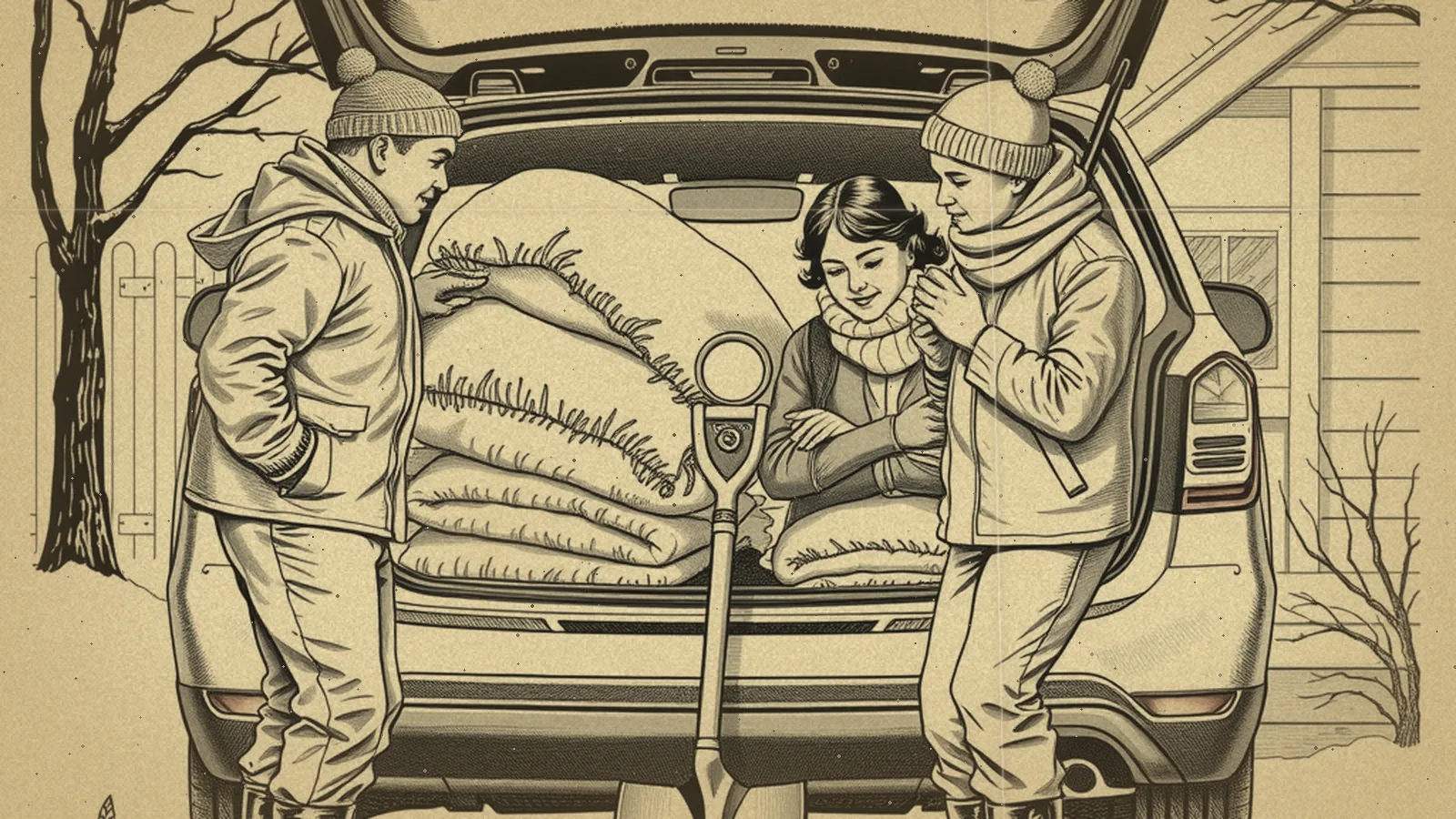
Winter storm preparedness means getting ready to stay home for several days without power or easy travel: keep a safe way to stay warm, protect your pipes, stock food and water, and keep your car ready in case you are caught on the road. Never use a gas stove, oven or grill to heat your home. When officials tell you to stay off the roads, stay home if you can.
Ice storms and blizzards are one of the most predictable hazards in our Disaster Planning section. Forecasts usually give a few days of notice, which means most of this work can happen calmly, before the first flake falls.
Your winter checklist, before the season
Use the first cold weekend of fall to work through this list:
- Heating check. Have your furnace, boiler, chimney or wood stove inspected and cleaned by a qualified professional.
- Carbon monoxide alarms. Install battery-operated or battery-backup CO alarms near sleeping areas, and test them following the manufacturer's instructions.
- Smoke alarms. Test them, and replace batteries as the manufacturer recommends.
- Pipes. Insulate pipes in crawl spaces, garages and outside walls. Find your main water shutoff and make sure it turns.
- Supplies. Water, shelf-stable food, flashlights, batteries, a battery-powered or hand-crank radio, a first aid kit and any medications for at least several days.
- Warmth. Extra blankets, sleeping bags, hats, gloves and wool socks for everyone.
- Outside. Snow shovel, ice melt or sand, and a plan for clearing steps if someone in the house cannot.
Renters should ask the landlord who handles snow removal and frozen pipes, and how to reach them during a storm.
Staying warm safely when the power is out
Heating is where a winter storm can turn dangerous, through house fires and carbon monoxide. Keep it simple:
- Pick one warm room. Choose a small interior room with few windows, close the doors to the rest of the house and gather everyone there.
- Seal the drafts. Roll towels against door gaps and hang blankets over windows at night.
- Layer up. Dress in loose layers, wear a hat indoors, and put an extra blanket under sleeping bags, not just on top.
- Eat and drink. Regular meals and warm drinks help bodies make heat.
- Use only safe heat sources. Use heaters that are designed for indoor use, and follow the manufacturer's directions exactly. Keep heaters clear of bedding, curtains and furniture, using the clearance the manufacturer lists.
Never bring a grill, camp stove or generator inside, and never run one in a garage, even with the door open. Generators belong outdoors and at least 20 feet from windows, doors and vents. Our generator safety guide covers the rest. If a CO alarm sounds or someone feels dizzy, light-headed or sick to their stomach, get everyone to fresh air and call 911.
For more ways to keep a home warm through a long outage, including what to do with kids and pets, read how to stay warm without power.
Watch for cold injuries
Older adults, babies and people with some health conditions lose heat faster. Check on them often. Shivering, confusion, slurred speech or numb, pale skin are reasons to warm the person up and get help. Call 911 in an emergency. This site is not medical advice; a first aid class teaches you how to respond in person.
Your car: a winter kit and a stay-put plan
Many winter emergencies begin on the road. The best plan is to avoid travel when officials advise it. If you must drive, tell someone your route and when you expect to arrive.
Keep this in your car from late fall to spring:
| Item | Why |
|---|---|
| Blankets or a sleeping bag | Stay warm if stranded |
| Hats, gloves and dry socks | Replace wet layers |
| Water and snacks | Energy and hydration |
| Flashlight and spare batteries | Signal and see at night |
| Phone charging cable or power bank | Keep in touch |
| Small shovel and ice scraper | Dig out and clear windows |
| Sand or cat litter | Traction under stuck tires |
| Bright cloth | Tie to the antenna as a signal |
If you get stuck, stay with your vehicle. It is easier for rescuers to find, and it gives you shelter. Run the engine only for short periods for heat, keep a window cracked slightly, and keep the exhaust pipe clear of snow so fumes do not build up inside.
A three-day snowed-in plan for a household
Imagine a retired couple in a rural farmhouse, with a dog and one partner who uses oxygen at home. Their storm plan looks like this:
- Three days out: Refill prescriptions, call the oxygen supplier about backup tanks, and register with the utility's medical needs list.
- Two days out: Buy groceries that need no cooking, fill water containers, charge every battery and get the dog's food and medications.
- The day before: Fill the car's gas tank, bring firewood close to the door, and call a neighbor to agree on a daily check-in by phone.
- During the storm: Stay in the warm room, keep the radio on for updates, and check in with the neighbor each morning.
- After: Shovel slowly with breaks, check the roof and vents for snow buildup, and look in on anyone nearby who lives alone.
A family of four in a city apartment would trade the firewood for extra board games and snacks, and the oxygen call for a check that the building's heat has backup. The structure stays the same.
Protecting pipes during the storm
- Let faucets on outside walls drip slightly so water keeps moving.
- Open cabinet doors under sinks so room air can reach the pipes.
- Keep your heat set at a steady temperature, day and night, if you have power.
- If a pipe bursts, shut off the main water valve right away and call a plumber.
Related plans to build next
- Extreme heat preparedness is the summer mirror of this plan, using many of the same ideas: one comfortable room, checking on neighbors and protecting people most at risk.
- Home fire safety matters most in winter, when space heaters, candles and fireplaces add fire risk to homes that are already closed up tight.
- Tornado preparedness shares the same alert setup, so the weather radio you buy for winter keeps working for spring storms.
The calm takeaway
Winter storms usually announce themselves. Use that warning time: check your heat and alarms, stock a few days of supplies, pack the car kit and decide on your warm room. When the storm arrives, your job is just to stay put, stay warm and stay in touch.
Want a guided preparedness plan?
Some people like the structure of a paid guide. This button opens a third-party survival or preparedness program from one of our advertising partners. Its claims are its own, not ours, so weigh them against our red flags checklist.
See the partner program →We may be paid when you click. The program shown can change. Read its terms before you buy anything. How this works
Frequently asked questions
Is it safe to use my oven to heat the house during a winter storm?
No. Never use a gas stove or oven to heat your home. Use safe, approved heating, dress in layers and close off unused rooms to hold in warmth.
How do I keep pipes from freezing when the power goes out?
Before the storm, insulate exposed pipes and know where your main water shutoff is. During a long outage, let faucets drip slightly and open cabinet doors under sinks so warmer room air reaches the pipes, and follow guidance from your local water utility.
What should I keep in my car for winter?
Keep blankets, warm layers, water, snacks, a flashlight, a phone charger, a small shovel, an ice scraper and something for traction such as sand or cat litter. If you get stranded, stay with your car and keep the exhaust pipe clear of snow.