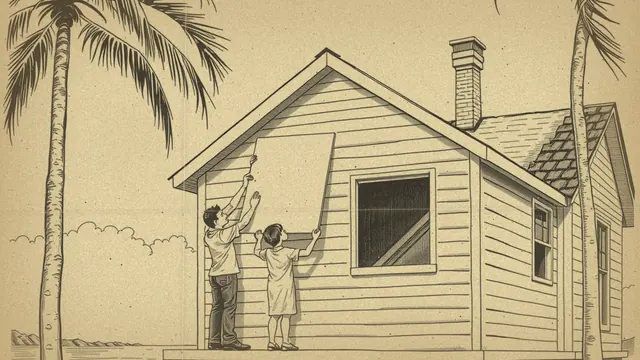
How to Make an Evacuation Plan Before You Need One
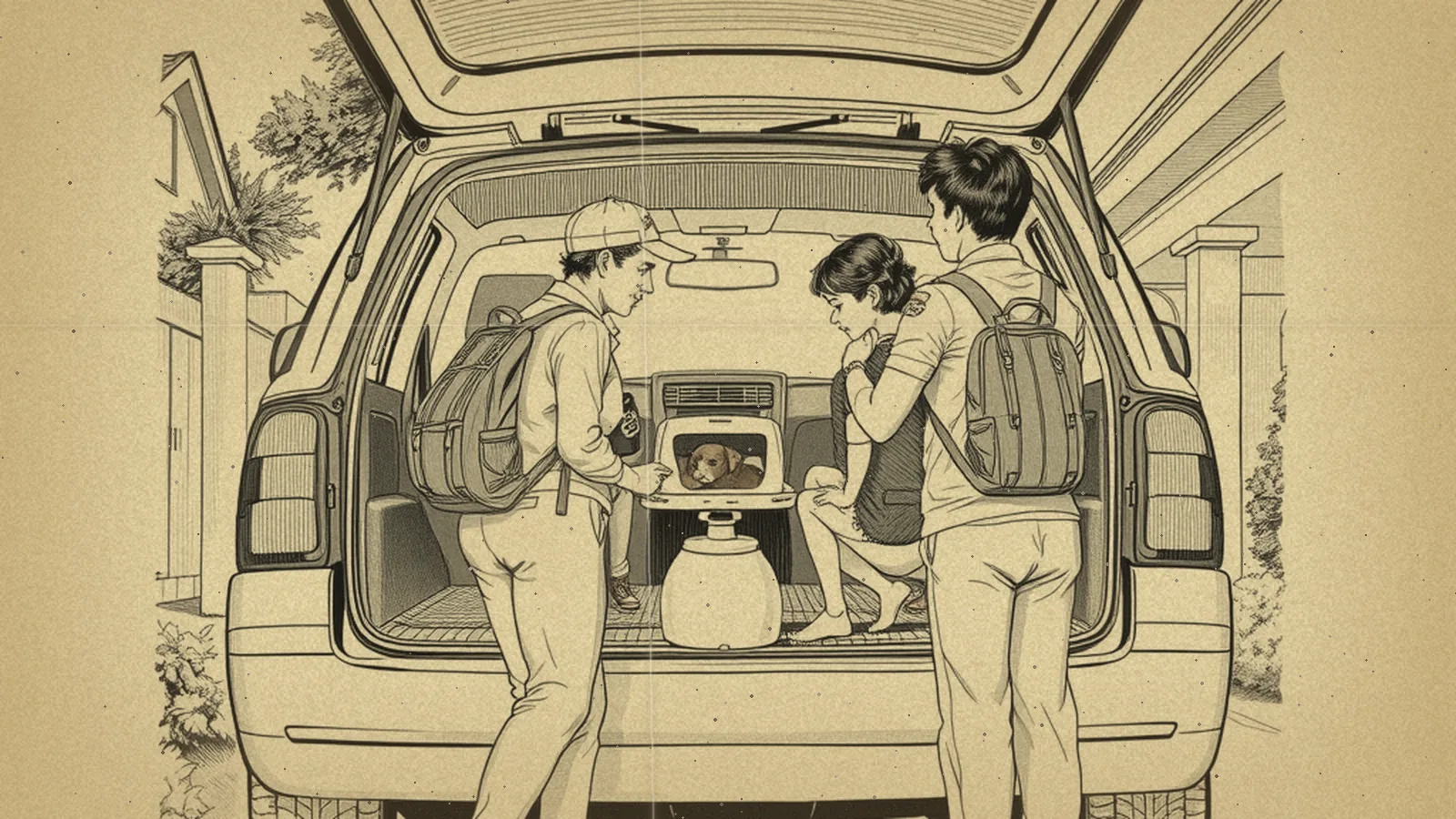
An evacuation plan answers four questions before an emergency: how you'll know to leave, which way you'll go, where you'll stay and what you'll bring. Look up your evacuation zone, map at least two routes out, pick a destination and keep a go-bag ready. When local officials issue an evacuation order, follow it and leave promptly.
Evacuation is one of the core plans in our Disaster Planning section. Hurricanes, wildfires, floods and chemical spills can all lead to orders to leave, sometimes with little notice. A plan turns a frantic hour into a calm, practiced routine.
Know how you'll be told to leave
Evacuation orders come from local officials, and they reach people in several ways:
- Wireless Emergency Alerts on cell phones
- County or city alert sign-ups by text or email
- Local radio and TV
- NOAA Weather Radio for weather-related warnings
- Officials going door to door in some situations
Learn the words your area uses. Some places issue a voluntary or advisory notice first, then a mandatory order. Whatever the wording, follow the instructions from local emergency officials. They know which roads are open and where shelters are.
Step 1: Find your evacuation zone
Many coastal and wildfire-prone areas divide neighborhoods into zones so officials can order specific areas to leave. Search your county emergency management website for "evacuation zone" and your address. Write the zone name on your household plan and on wallet cards.
If your area doesn't use zones, learn which neighborhoods have evacuated in past events and which roads they used.
Step 2: Map two routes, plus a backup
Roads can close because of water, fire, debris or heavy traffic. Plan at least two routes in different directions, and keep a paper map in each car in case phones and navigation apps don't work.
| Route | Direction | Notes |
|---|---|---|
| Primary | North on the main highway | Fastest, but may be crowded |
| Secondary | West on county roads | Slower, avoids low bridge |
| On foot | To the neighborhood meeting place | For anyone without a car |
Drive your routes once during calm times so they feel familiar. Follow detours set by officials during an evacuation, even if your app suggests something else.
Step 3: Choose where you'll go
Have a first and second choice.
- Friends or family outside the area: Ask now if you could stay with them, and how many people and pets they could take.
- Hotels: Note a few in different directions, including ones that accept pets.
- Public shelters: Local officials announce which shelters are open during an event. Shelters usually provide basic space, so bring bedding, medications and personal items.
Step 4: Keep transportation ready
- Keep your gas tank at least half full during hurricane or fire season. If you drive an electric vehicle, keep it charged above your usual level.
- If you don't have a car, ask your local emergency management office about evacuation assistance, and line up a ride with a neighbor, friend or relative.
- If someone uses a wheelchair, oxygen or other equipment, plan the vehicle and loading process ahead of time.
Step 5: Pack so you can leave in minutes
Keep a go-bag for each person by the door or in the car. Our bug out bag guide covers what to pack for evacuation, how to keep the weight manageable and what to add by season.
When an order comes, work through a loading list:
- People and pets
- Go-bags and medications
- Important documents and phone chargers
- Water and snacks for the trip
- Extra clothes, glasses, hearing aids and mobility aids
- Comfort items for kids
Step 6: Prepare your home if there's time
Only do this if officials say there's time and it's safe.
- Unplug small appliances.
- Lock doors and windows.
- Turn off utilities only if officials tell you to.
- Bring in outdoor furniture and loose items.
- Leave a note saying when you left and where you went, if local officials recommend it.
Step 7: Plan for pets
Pets are family, and many people delay leaving because of them. Plan ahead so that doesn't happen:
- Carriers or leashes for every animal
- Food, water, bowls and any medications
- Vaccination records and a recent photo
- A list of pet-friendly hotels and friends who can host
Step 8: Plan for kids and relatives who need help
If a child is at school when an order comes, know the school's pickup or reunification plan. If an older relative lives alone, decide who will pick them up and what they need to bring. If a household member needs extra time, plan to leave as soon as officials advise people to get ready, not at the last minute.
Stay in touch on the road
Text your out-of-area contact when you leave, when you arrive, and if plans change. Our emergency communication plan guide explains how to set up contacts, wallet cards and check-in texts that work when networks are busy.
When leaving isn't the right call
Sometimes officials tell people to stay put instead, such as during a tornado warning or a hazardous materials release. Read how to shelter in place so your household knows the difference and can switch plans quickly. If you live on the coast, the hurricane preparedness guide connects evacuation planning to the days before a storm.
A note on fear-based gear marketing
You may see ads for "evacuation systems" with countdown timers or claims that only their kit will keep you safe. No product guarantees safety. Our guide to product red flags explains how to spot pressure tactics so you can spend on what actually helps.
Your evacuation checklist
- Evacuation zone written down
- Two driving routes plus a walking route to the meeting place
- First- and second-choice destinations, with addresses
- Paper maps in each car
- Gas tank half full or vehicle charged during high-risk seasons
- Go-bag for each person and pet
- Loading list taped inside a closet door
- Out-of-area contact knows your destination
Do one practice run this season. Time how long it takes to get everyone, including pets, into the car with bags. Most households get faster with each practice.
Want a guided preparedness plan?
Some people like the structure of a paid guide. This button opens a third-party survival or preparedness program from one of our advertising partners. Its claims are its own, not ours, so weigh them against our red flags checklist.
See the partner program →We may be paid when you click. The program shown can change. Read its terms before you buy anything. How this works
Frequently asked questions
When should I evacuate?
Leave right away when local officials issue an evacuation order for your area. If you feel unsafe or someone in your home needs extra time, such as a person using a wheelchair or oxygen, it's reasonable to leave earlier when officials advise people to get ready.
Where should we go if we evacuate?
Most people stay with friends or relatives outside the affected area, or at a hotel farther inland or away from the hazard. Public shelters open during many disasters; local officials announce their locations, and pet policies vary.
What should I take when evacuating?
Take people and pets first, then a go-bag for each person, medications, important documents, phone chargers, and water and snacks for the trip. Keep these packed ahead of time so you can leave within minutes.