Heat Wave Preparedness: How to Keep Your Household Cool and Safe
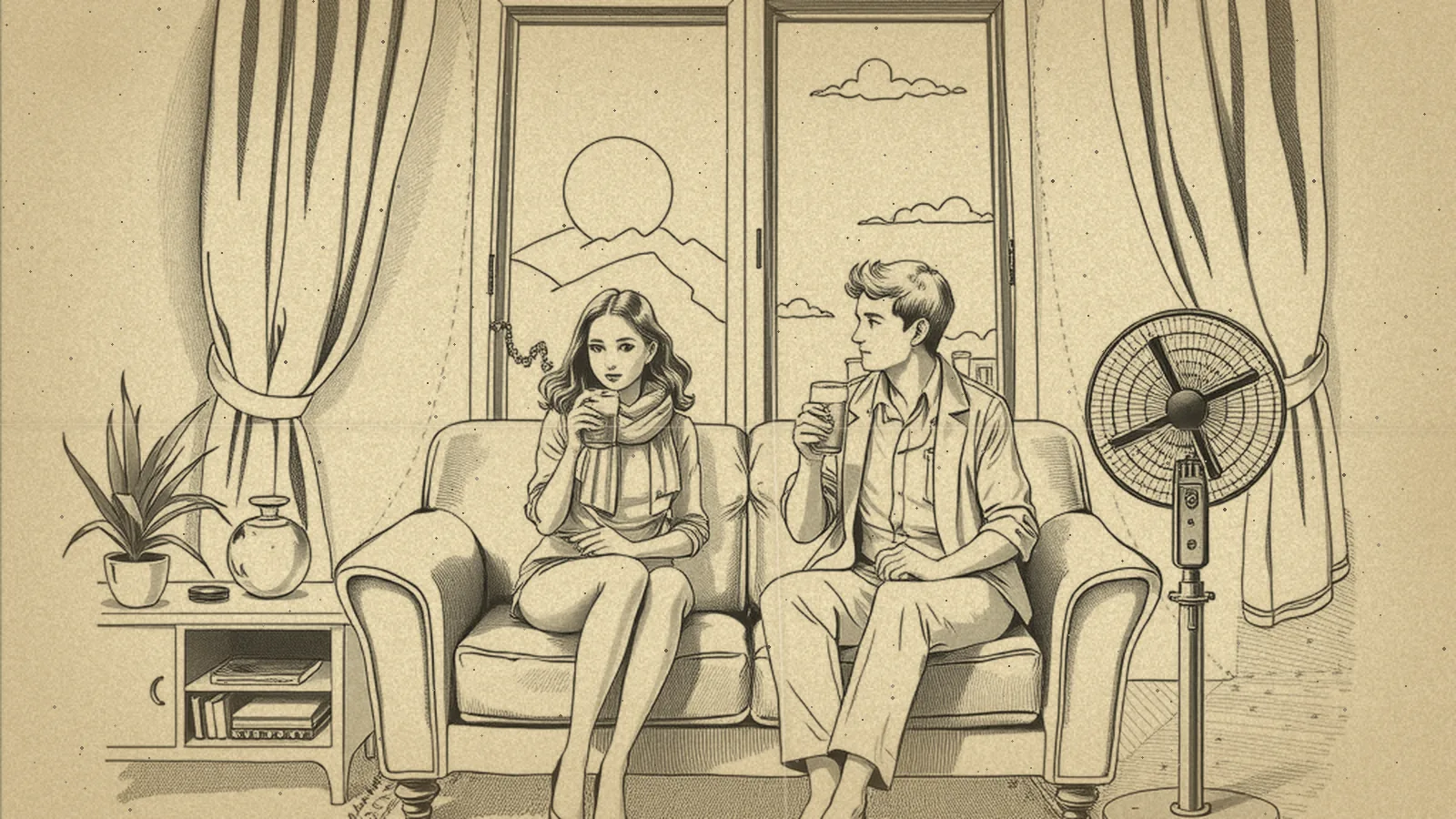
Heat wave preparedness is about having a cooling plan before the forecast turns: know where you will go to cool off, keep plenty of water on hand, check on people who are most at risk and recognize the signs of heat illness. If someone shows signs of heat stroke, such as confusion or fainting, call 911. Extreme heat is quiet compared with storms, but it deserves the same planning.
That makes it a good fit for our Disaster Planning section, next to the louder hazards. A heat plan is cheap, mostly involves information, and protects the people you love the most.
Know your heat risk at home
Walk through this list with your household:
- Does your home have air conditioning, and does it work well on the top floor?
- If the power goes out in a heat wave, where will you go?
- Does anyone in your home take medications that affect sweating, thirst or blood pressure? Ask a doctor or pharmacist.
- Is anyone pregnant, very young, older, or managing heart, lung or kidney conditions?
- Does anyone work outdoors, or play sports in summer?
- Who on your street lives alone?
Top-floor apartments, homes without shade, and mobile homes heat up fast. If that describes your home, plan to leave during the hottest hours.
Build your cooling plan
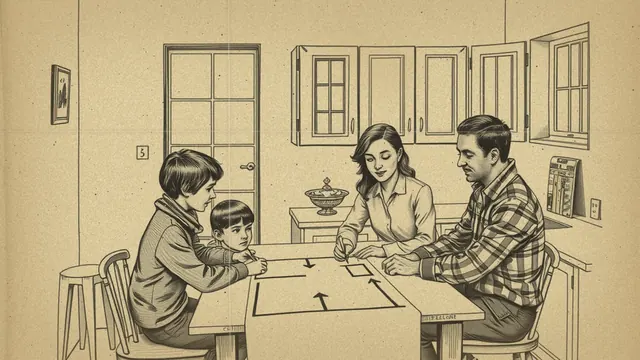
Write these answers on one page and stick it on the fridge:
- Our cool place: Find out where your city or county opens cooling centers, and note the hours. Libraries, community centers and malls are other options.
- Our ride: How will you get there if you do not drive? Many areas offer transportation to cooling centers during heat emergencies; ask your local emergency management office.
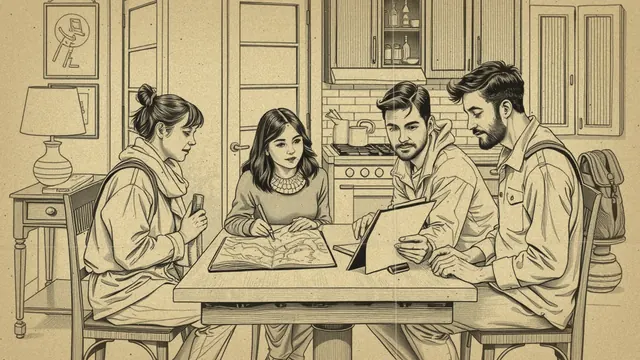
- Our check-in list: Names and numbers of neighbors or relatives you will call each day.
- Our alerts: Turn on emergency alerts on your phone and sign up for local alerts, so you hear heat advisories early.
- Our backup: If the power goes out, what is your plan for medications that need refrigeration and medical devices that need power?
A worked example for a family of four
Picture a family in a third-floor walk-up with one window air conditioner. There are two parents, a ten-year-old who plays summer soccer and a grandmother who lives with them and takes blood pressure medication. Their plan:
- Grandma's doctor reviews her medications before summer and explains which heat symptoms to watch for.
- During a heat advisory, the family moves fans and sleeping mats into the one cooled bedroom.
- The soccer kid carries a full water bottle and takes shade breaks; the parents talk to the coach about schedules on very hot days.
- If the power goes out, they head to the library cooling center, with a small bag of water, snacks, medications and phone chargers ready by the door.
- Each evening, one parent texts the elderly neighbor across the hall and knocks if there is no answer.
Keeping your home cooler
- Close blinds and curtains on sunny windows during the day.
- Open windows at night if it is cooler outside and safe to do so.
- Avoid using the oven during hot afternoons; plan no-cook meals.
- Use fans to move air, but do not rely on them alone during extreme heat.
- Take cool showers or baths, and use damp cloths on the neck and wrists.
- Spend the hottest hours on the lowest floor of your home.
If the heat comes with a power outage, our guide to staying cool without power covers more ways to manage.
Drink water and dress for it
Drink water regularly, even before you feel thirsty, and more if you are active. Limit alcohol and very sugary drinks. If a doctor has limited how much fluid someone can drink, ask them what to do during hot weather. Wear loose, light-colored clothing and a wide-brimmed hat outside, and schedule yard work or exercise for early morning or evening.
Know the warning signs
Heat illness can move from mild to serious. Watch for heavy sweating, cramps, weakness, dizziness, headache, nausea and fainting. Confusion, a very high body temperature, or hot skin with no sweating can mean heat stroke, which is a medical emergency: call 911, move the person somewhere cooler and start cooling them while you wait. Our guide to heat illness explains the differences between heat exhaustion and heat stroke in more detail. This site is not medical advice, and a first aid class is the best way to learn.
Working and playing outside
People who work outdoors, from roofers to delivery drivers to farmworkers, face heat for hours at a time. If that is you, ask your employer about their heat plan: water, shade, rest breaks and time to get used to hot conditions after time away. Pair up with a coworker so you can watch each other for warning signs. Parents of young athletes can ask coaches the same questions, and send kids with extra water and a cooling towel.
Kids, pets and cars
- Never leave children or pets in a parked car, even for a minute and even with the windows cracked. Cars heat up quickly.
- Make a habit of checking the back seat every time you get out.
- Give pets shade and fresh water, and walk dogs early or late. Hot pavement can burn paws; test it with the back of your hand.
- Bring outdoor pets inside, or make sure they have real shade and plenty of water.
Be careful with cooling gadgets
Every summer brings ads for small devices that promise to cool a whole room cheaply. Some help a little, many do not do what they claim. Look for independent testing and an honest return policy, and be wary of countdown timers or claims that sound too good. Our page on product red flags explains the warning signs.
Related plans to build next
- Home fire safety matters in summer too, because heat and dry conditions raise fire risk from grills, overloaded extension cords and window units.
- Community preparedness is the bigger version of your check-in list, turning one neighbor's phone call into a whole block that looks out for each other.
- Winter storm preparedness mirrors this plan for the cold months, with the same one-comfortable-room idea and the same focus on older relatives.
The calm takeaway
Today, look up your nearest cooling center, write down three people to check on, and put a full water bottle by the door. A heat wave is easier to get through when you already know where you are going and who you are calling.
Want a guided preparedness plan?
Some people like the structure of a paid guide. This button opens a third-party survival or preparedness program from one of our advertising partners. Its claims are its own, not ours, so weigh them against our red flags checklist.
See the partner program →We may be paid when you click. The program shown can change. Read its terms before you buy anything. How this works
Frequently asked questions
Who is most at risk during a heat wave?
Older adults, babies and young children, people with chronic health conditions, people who work or exercise outdoors, and people living alone or without air conditioning face higher risk. Check on them often, and ask a doctor whether any medications affect how someone handles heat.
Do fans keep you safe in extreme heat?
Fans help move air and can make you feel cooler, but in very hot conditions they may not be enough to prevent heat illness. Spend time in an air-conditioned place, such as a cooling center or library, during the hottest part of the day.
What should I do if someone shows signs of heat stroke?
Call 911 right away, move the person somewhere cooler and start cooling them with cool water or wet cloths while you wait. Heat stroke is a medical emergency.