Home Fire Safety: Make an Escape Plan Your Family Can Follow
A home fire safety plan has four parts: working smoke alarms, two ways out of every room, one meeting spot outside, and practice. If a fire starts, get out, stay out and call 911 from outside. Never go back in for belongings or pets; tell firefighters instead. Fires can spread fast, so the plan is all about getting everyone out quickly and calmly.
Home fires are the emergency people are most likely to face without any warning, which is why this plan sits in our Disaster Planning section alongside storms and floods. The good news is that a solid fire plan costs very little and takes one evening to set up.
Step 1: Smoke alarms that work
Smoke alarms give you the early warning you need to get out. Set them up this way:
- Placement. Put alarms near sleeping areas and on the levels of your home where the manufacturer's instructions and your local fire department recommend.
- Testing. Test alarms regularly by pressing the test button. Make sure everyone in the house knows the sound.
- Batteries and replacement. Replace batteries and replace the alarms themselves when the manufacturer says to. Look for the date on the back of the alarm.
- Interconnected alarms sound together, so an alarm in the basement wakes people upstairs. Ask an electrician if your home can have them.
- For people who are deaf or hard of hearing, alarms with strobe lights or bed shakers are available. Your local fire department may be able to help you find one.
Many fire departments install free smoke alarms for residents. Call the non-emergency line and ask.
Renters: your landlord is usually responsible for installing alarms, but you can test them yourself. Report any that do not work in writing, and check your state and local rules.
Step 2: Two ways out of every room
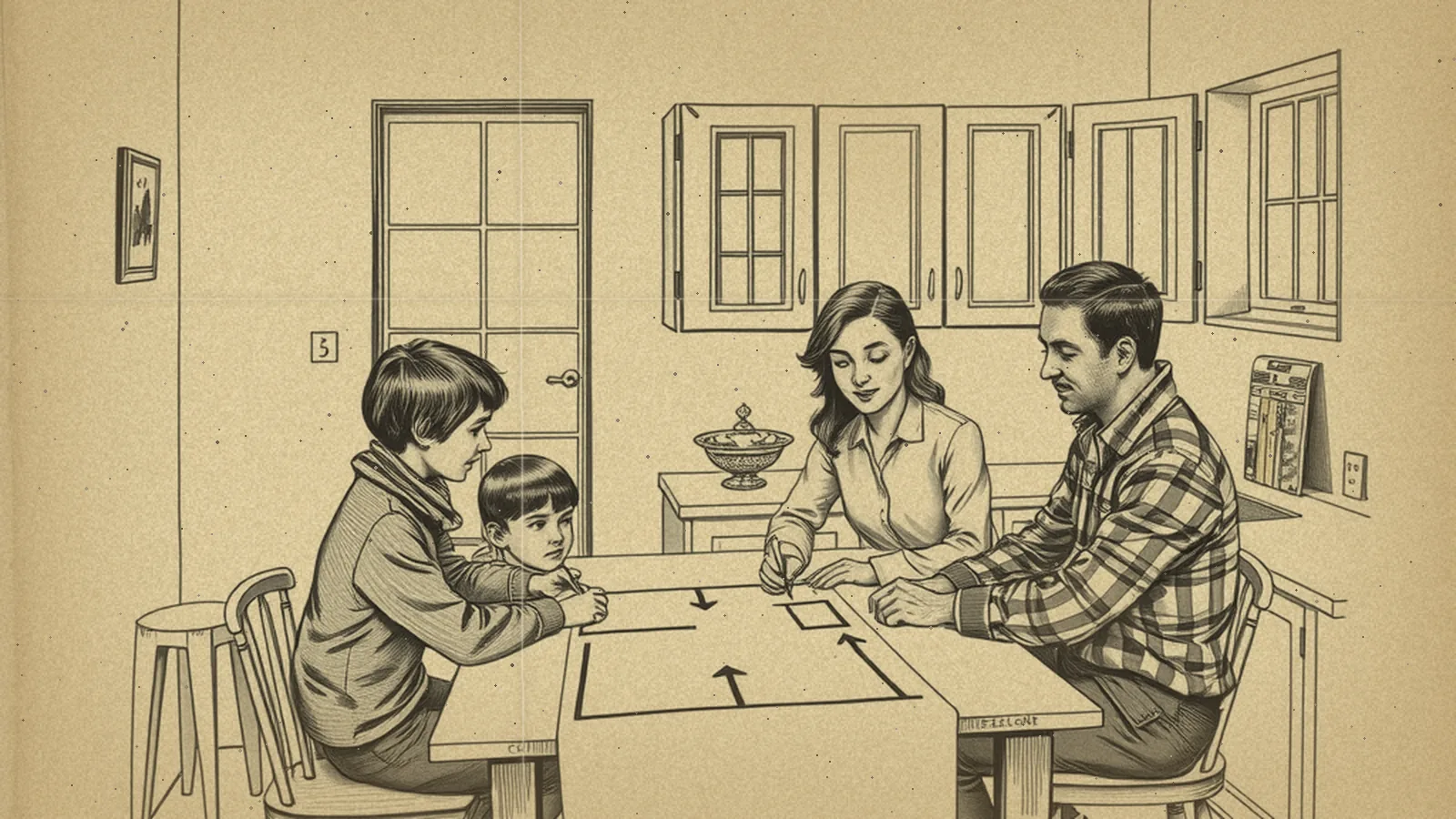
Draw a simple floor plan of your home on paper with your kids. For each room, mark:
- The main exit, usually the door.
- A second way out, usually a window. Make sure windows open easily and that screens can be removed.
- Any trouble spots, such as a window painted shut, security bars without a quick release, or a bedroom on a second floor.
For upper-floor bedrooms, ask your fire department about escape ladders and how to use them safely. For apartments, learn where every stairwell is. Never use an elevator during a fire.
If someone in your home uses a wheelchair, walker or oxygen, has a cognitive disability or sleeps very deeply, assign a specific person to help them and practice it. Consider having them sleep on the ground floor near an exit. Tell your local fire department about their needs; some keep a list.
Step 3: One meeting spot
Choose a fixed spot outside, in front of the home, where everyone goes after escaping. A neighbor's porch light, a mailbox or a big tree all work. The meeting spot matters because it lets you count heads right away, and it stops someone from going back inside to look for a person who is already out.
Step 4: Practice the plan
Hold a home fire drill regularly, including one at night, so kids learn to wake up to the alarm. Here is a simple drill for a family with young children:
- Press the smoke alarm test button so everyone hears the real sound.
- Each person gets low and goes to their main exit. Practice feeling a closed door with the back of your hand before opening it; if it is hot, use your second way out.
- Close doors behind you as you leave, which can slow the spread of smoke and fire.
- Everyone goes to the meeting spot.
- One adult pretends to call 911 from outside.
- Talk about what went well and what to change.
Teach children never to hide under beds or in closets during a fire, and that firefighters in gear are there to help them. Teach everyone to stop, drop and roll if their clothes catch fire.
Fire extinguishers: basics only
A fire extinguisher can put out a small fire, but your first job is always to get people out. Keep a multi-purpose extinguisher in the kitchen and on each level, and read the label so you know what kinds of fires it is rated for. Follow the manufacturer's instructions for checking and replacing it. Many fire departments and community programs offer hands-on extinguisher training; it is worth doing once.
If a fire is spreading, smoke is filling the room, or you are not sure, leave and call 911 from outside.
Lower the risk of a fire starting
| Area | Simple habit |
|---|---|
| Kitchen | Stay in the kitchen when frying, grilling or boiling; keep towels and pot holders away from the stove |
| Heating | Keep space heaters clear of anything that can burn; turn them off when you leave the room or go to sleep |
| Candles | Use flashlights in outages instead of candles; never leave a flame unattended |
| Electrical | Do not overload outlets or run cords under rugs; replace damaged cords |
| Smoking | If anyone smokes, do it outside and use deep, sturdy ashtrays |
| Outdoors | Keep grills well away from the house and follow local burn rules |
Burns and smoke
If someone is burned, cool the burn under cool running water and get medical help for large, deep or facial burns. Our burn treatment guide explains how long to cool a burn and what not to put on it. If anyone has breathed smoke, or has trouble breathing, call 911. This site is not medical advice; a first aid class gives you hands-on practice.
Plans that connect to this one
- Community preparedness helps here because neighbors who know each other notice smoke, help older residents get out, and offer a place to stay that night.
- After a disaster walks through what comes next if a fire does happen: documenting damage, calling your insurer and finding help.
- Extreme heat preparedness matters because hot, dry weather and overworked fans and air conditioners can raise fire risk at home.
If you are looking for a class to learn these skills in person, our guide to choosing a preparedness program explains how to find good free and low-cost training.
The calm takeaway
Tonight, test your smoke alarms, draw your floor plan with two ways out of every room, and choose your meeting spot. Then set a date for your first drill. A practiced plan helps everyone move quickly and calmly if the alarm ever sounds for real.
Want a guided preparedness plan?
Some people like the structure of a paid guide. This button opens a third-party survival or preparedness program from one of our advertising partners. Its claims are its own, not ours, so weigh them against our red flags checklist.
See the partner program →We may be paid when you click. The program shown can change. Read its terms before you buy anything. How this works
Frequently asked questions
How often should I test my smoke alarms?
Test them regularly, following the manufacturer's instructions, and replace batteries or the whole alarm when the manufacturer says to. Many families tie the check to a date they already remember, like the start of each season.
Should I try to put out a fire myself?
Only if the fire is small, contained, you have the right extinguisher, you know how to use it and you have a clear way out behind you. If you have any doubt, get out, close the door behind you and call 911 from outside.
Where should my family meet after escaping a fire?
Pick one spot outside, a safe distance from the house, that everyone can find, such as a neighbor's mailbox or a particular tree. Meeting there lets you count heads quickly and tell firefighters whether anyone is still inside.